 Asian Americans/Pacific Islanders in Philanthropy (AAPIP)
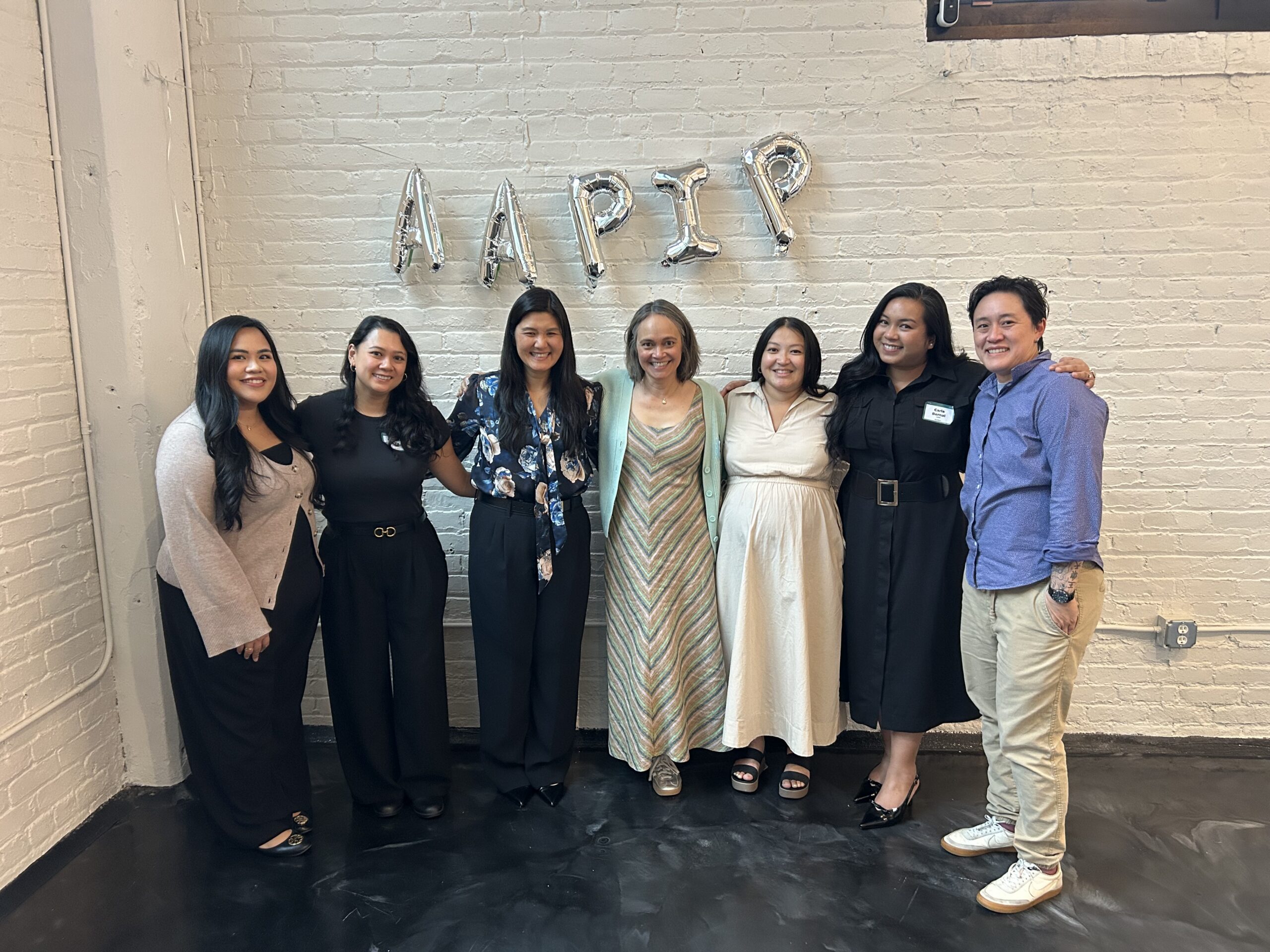
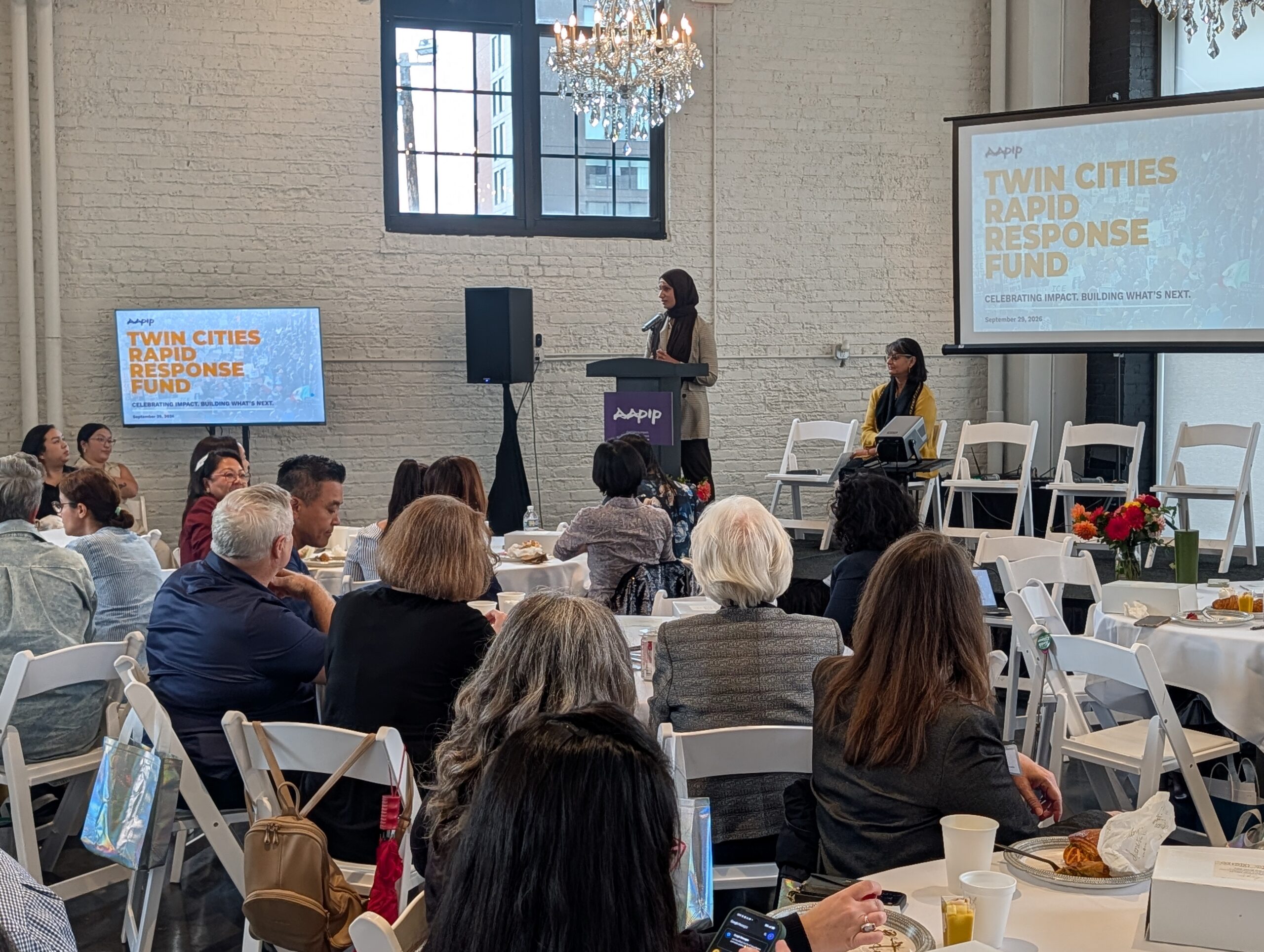
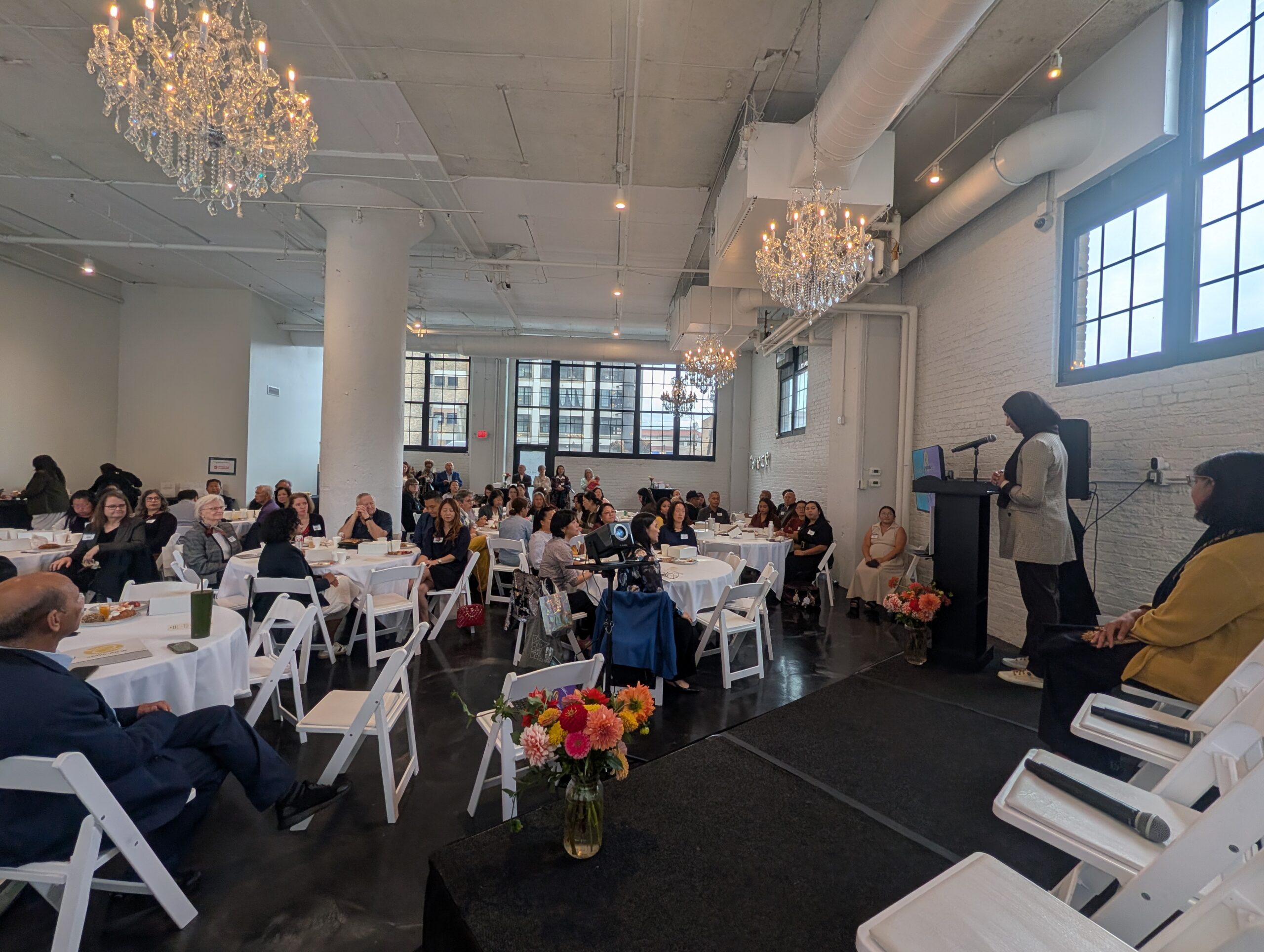
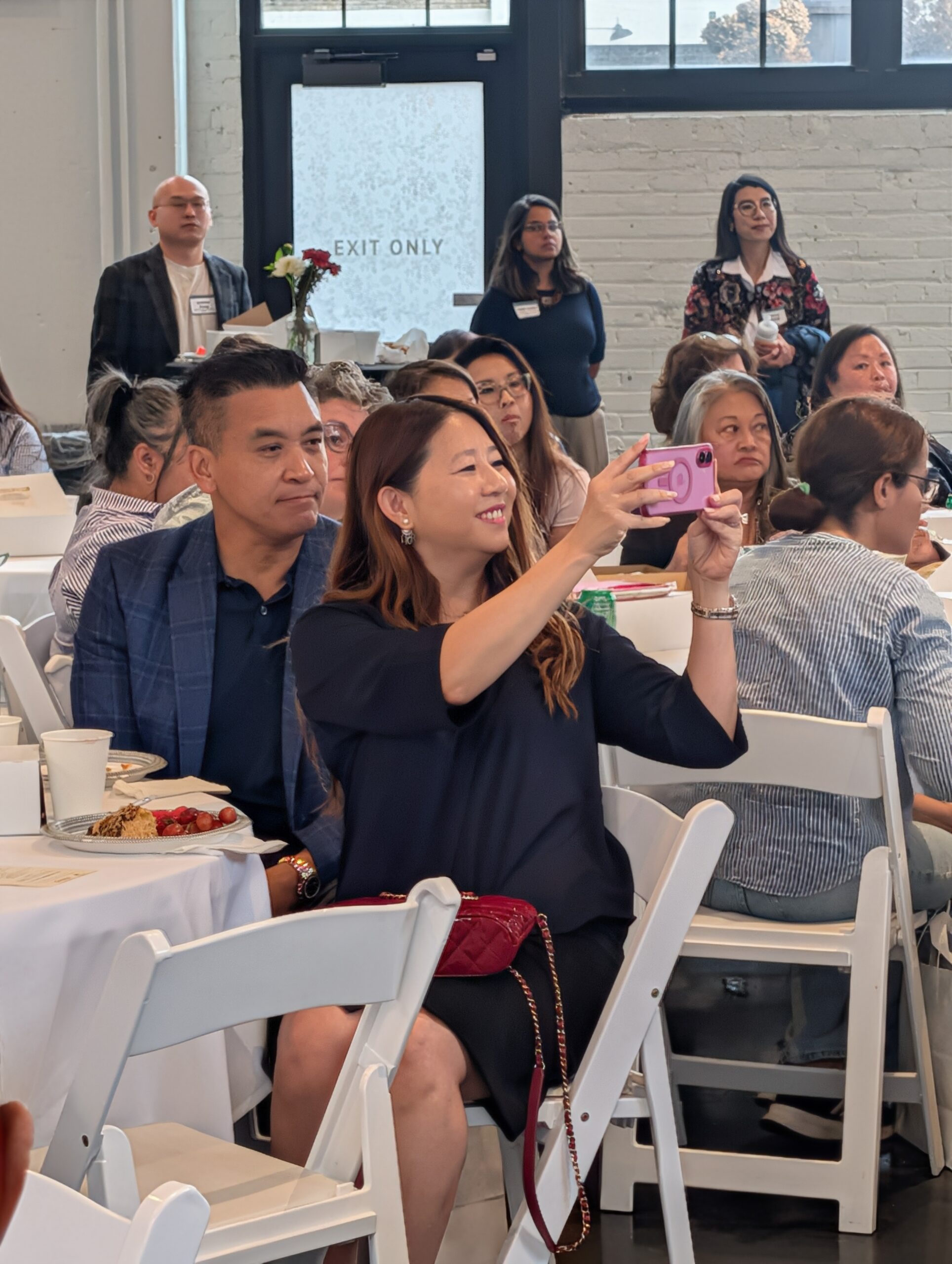
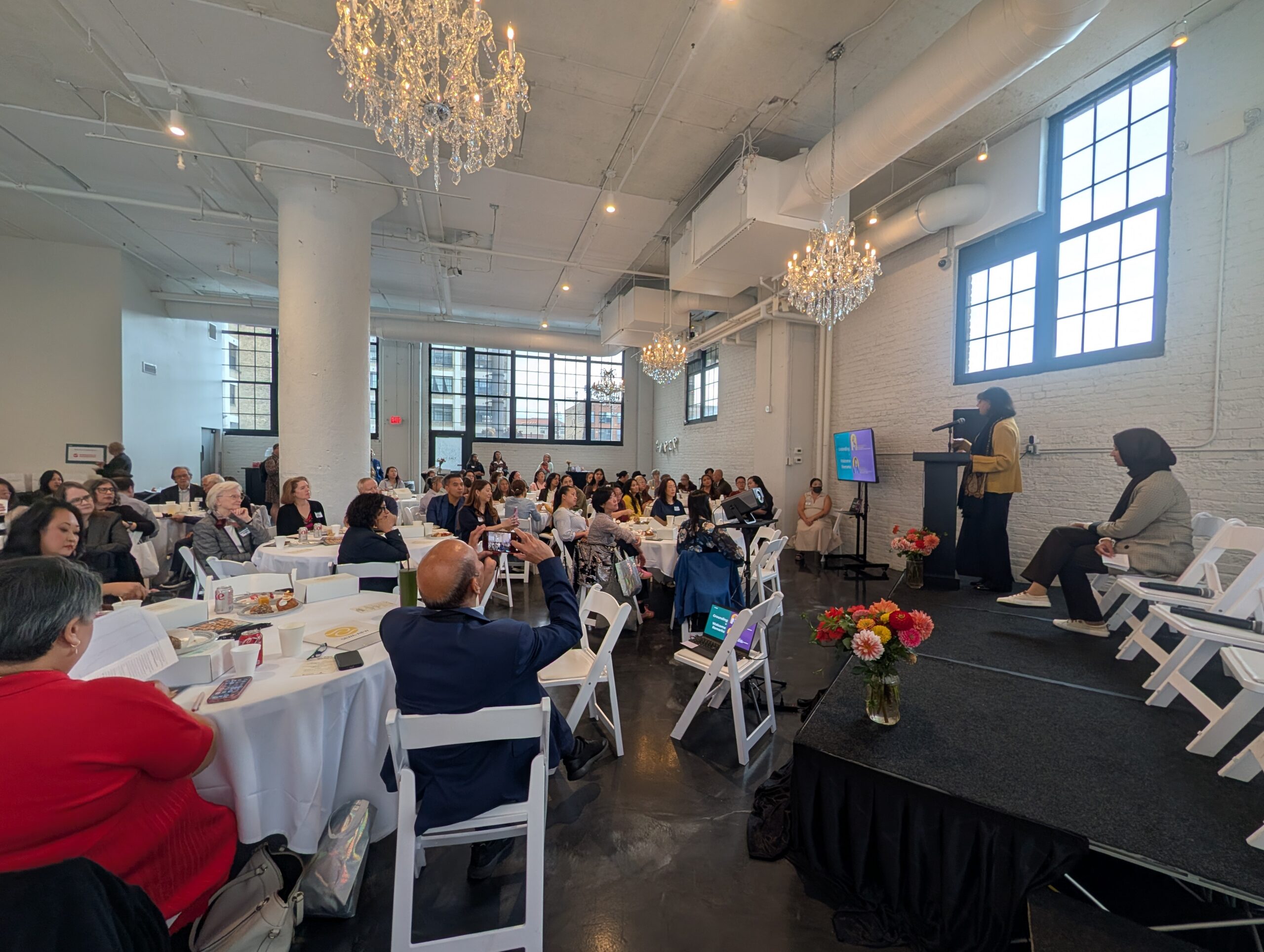
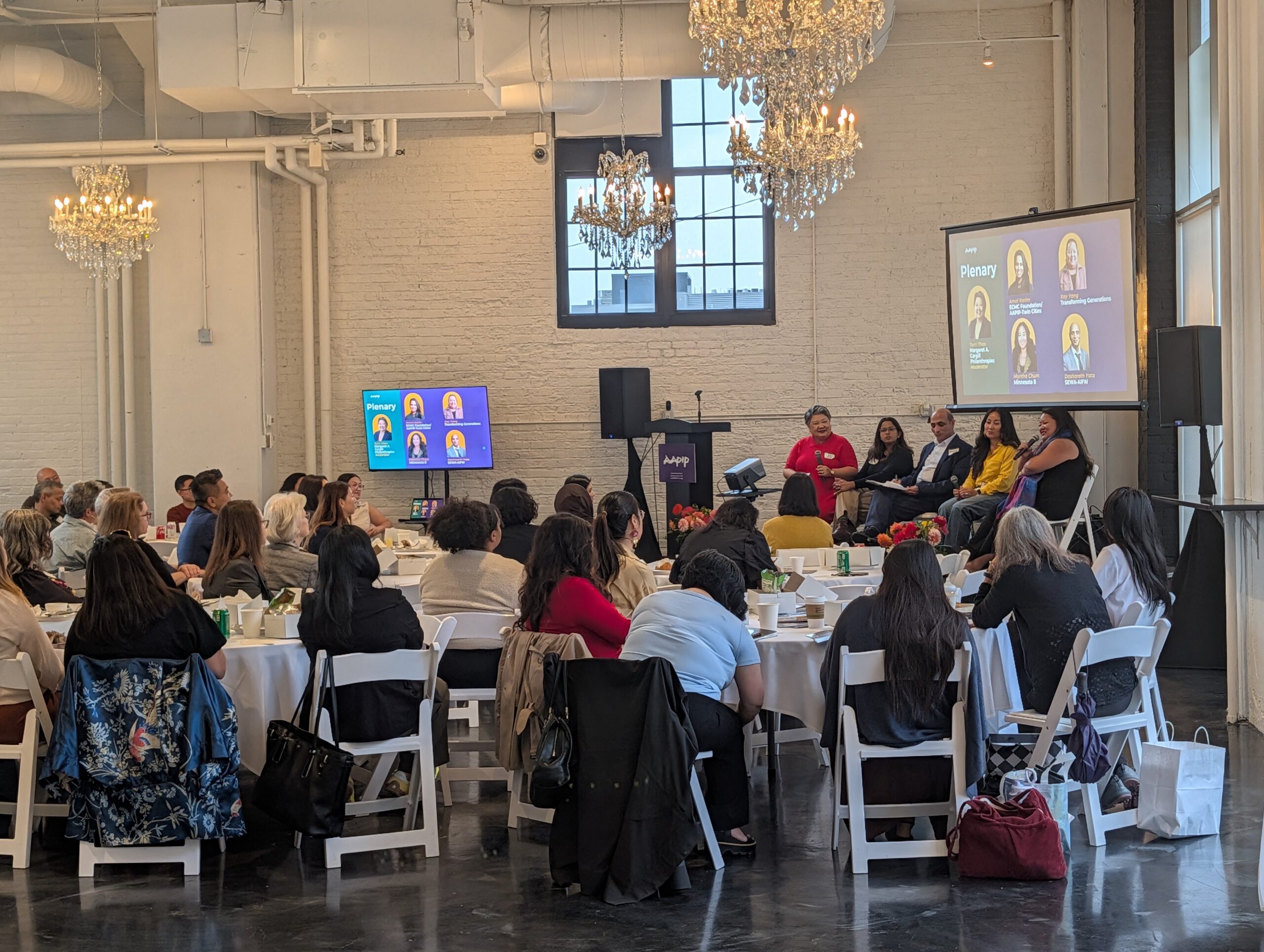
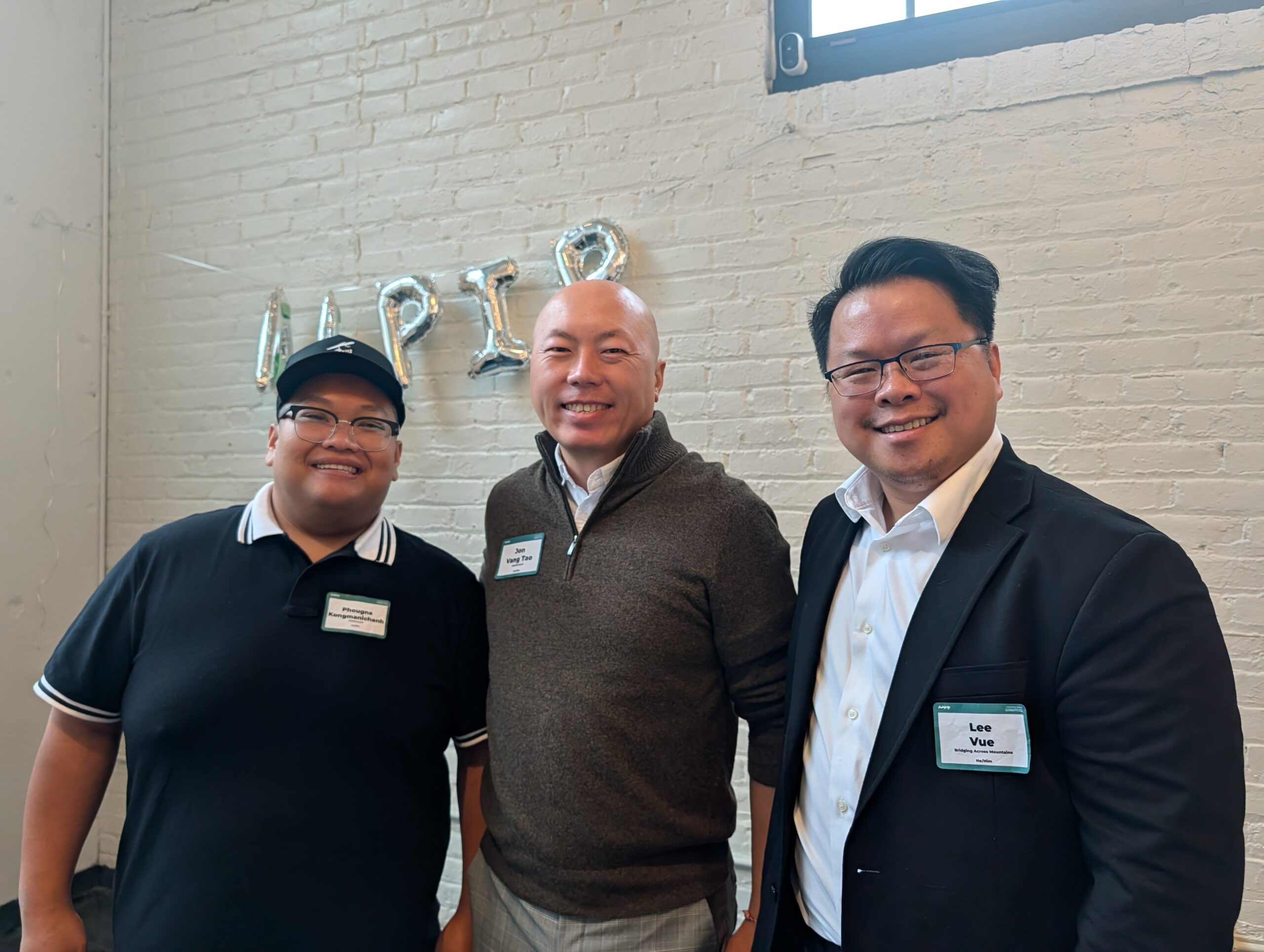
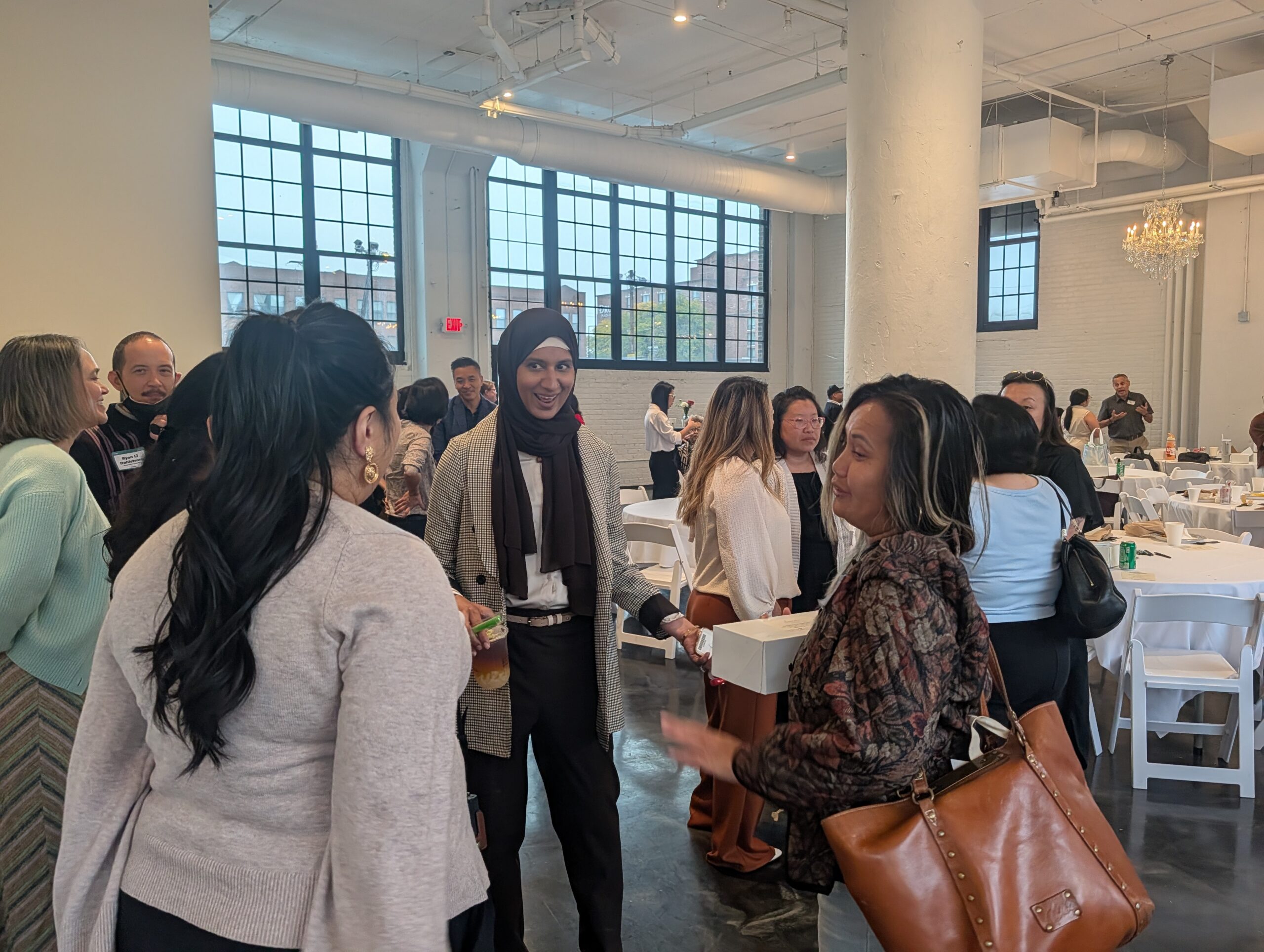
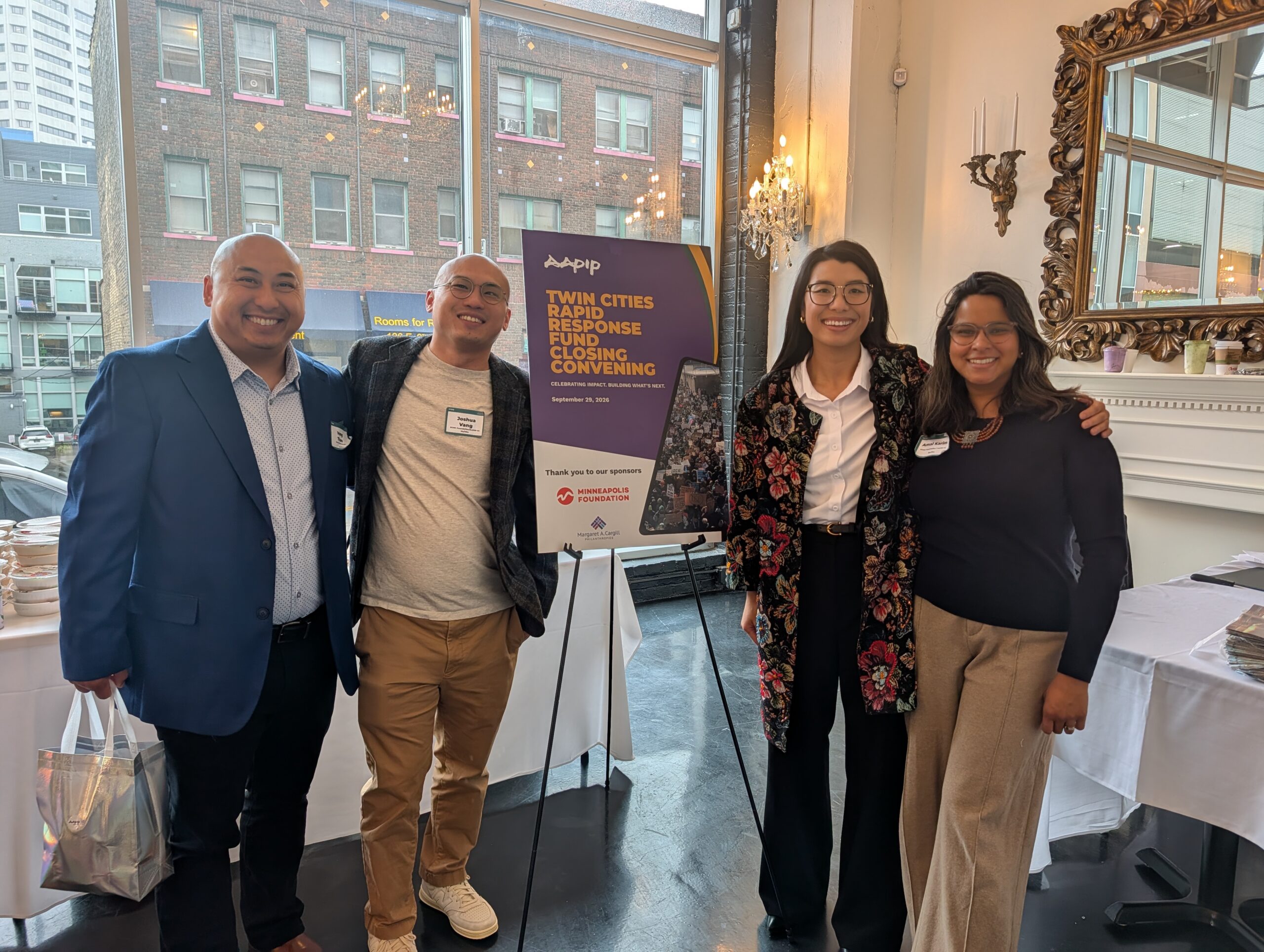
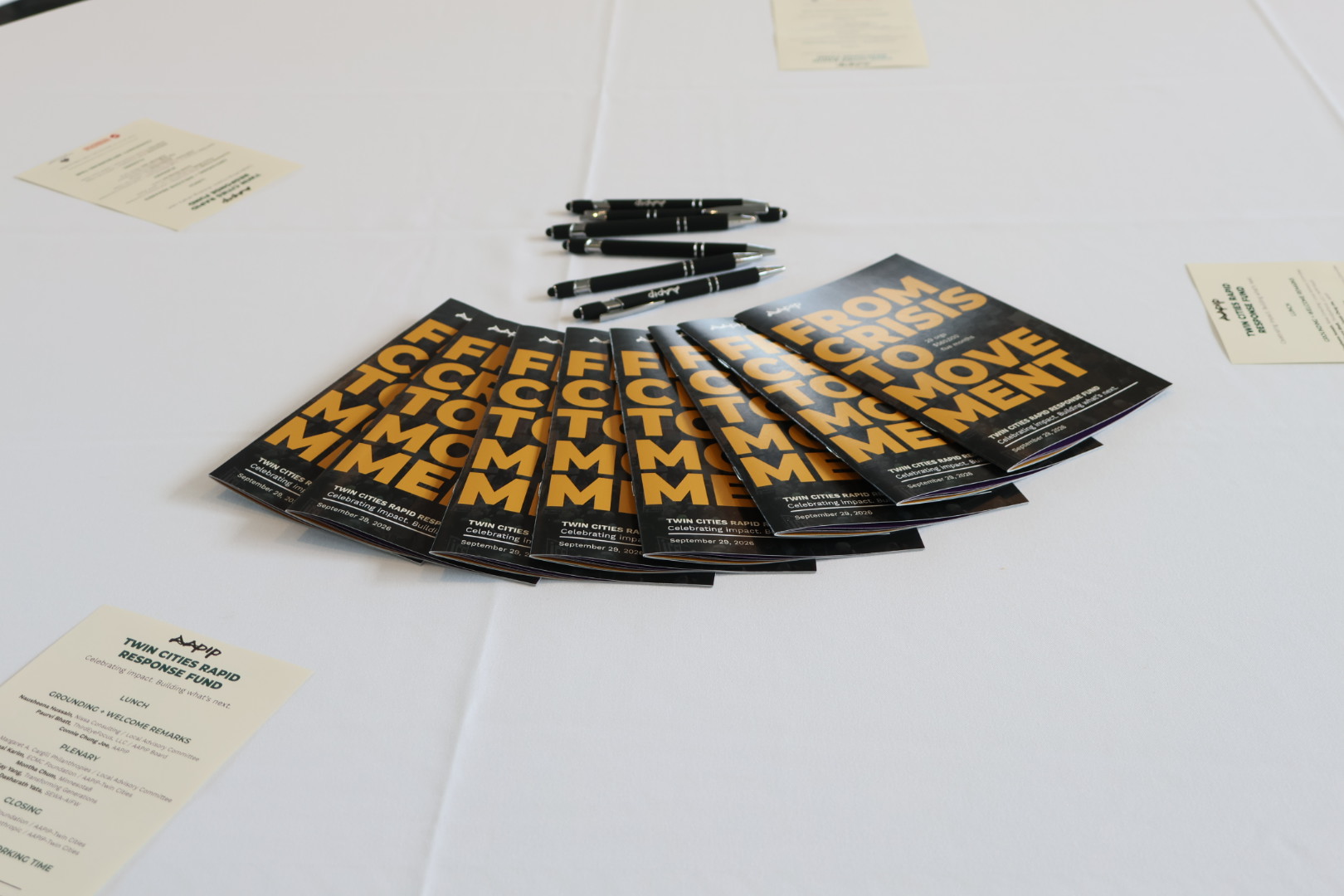
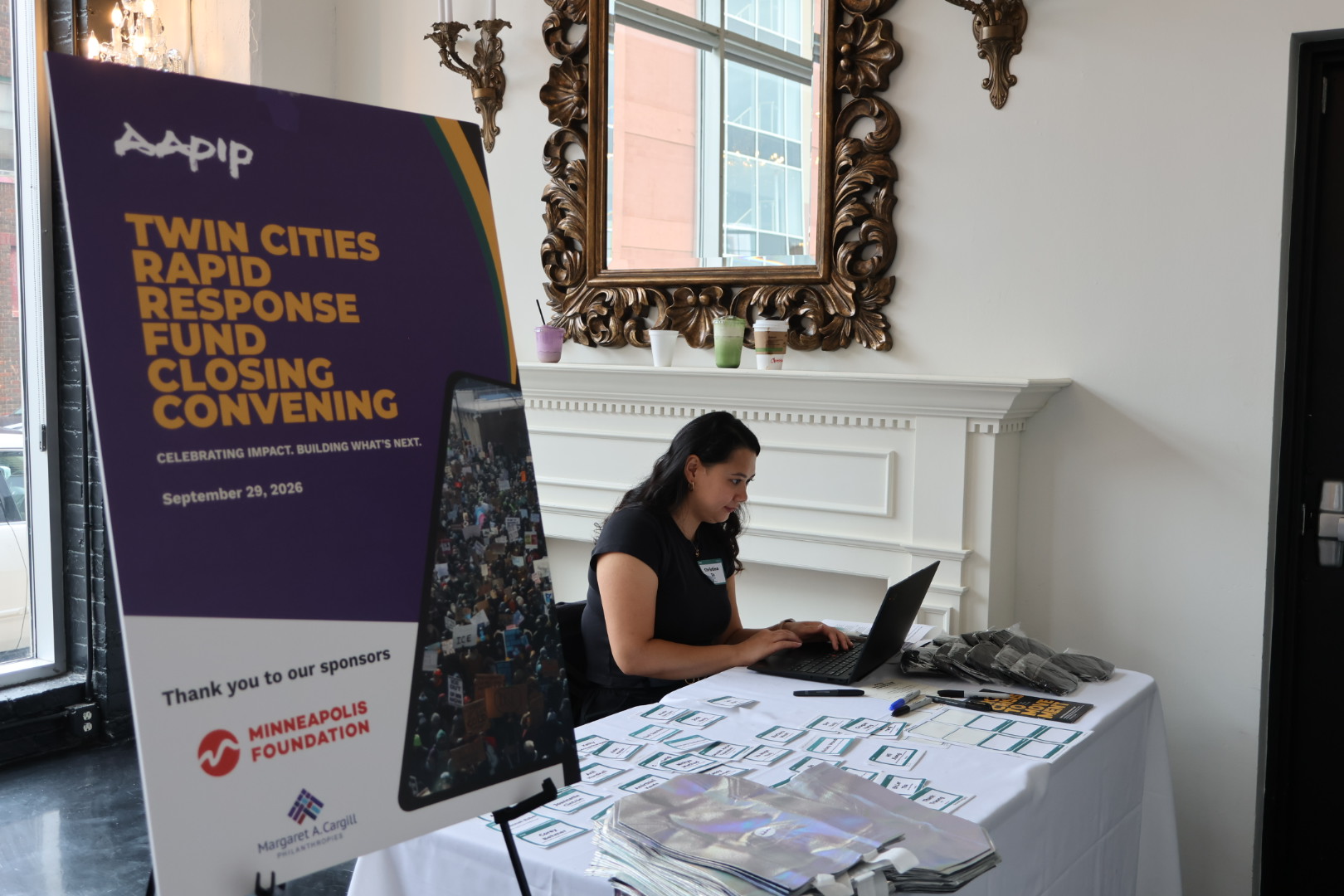
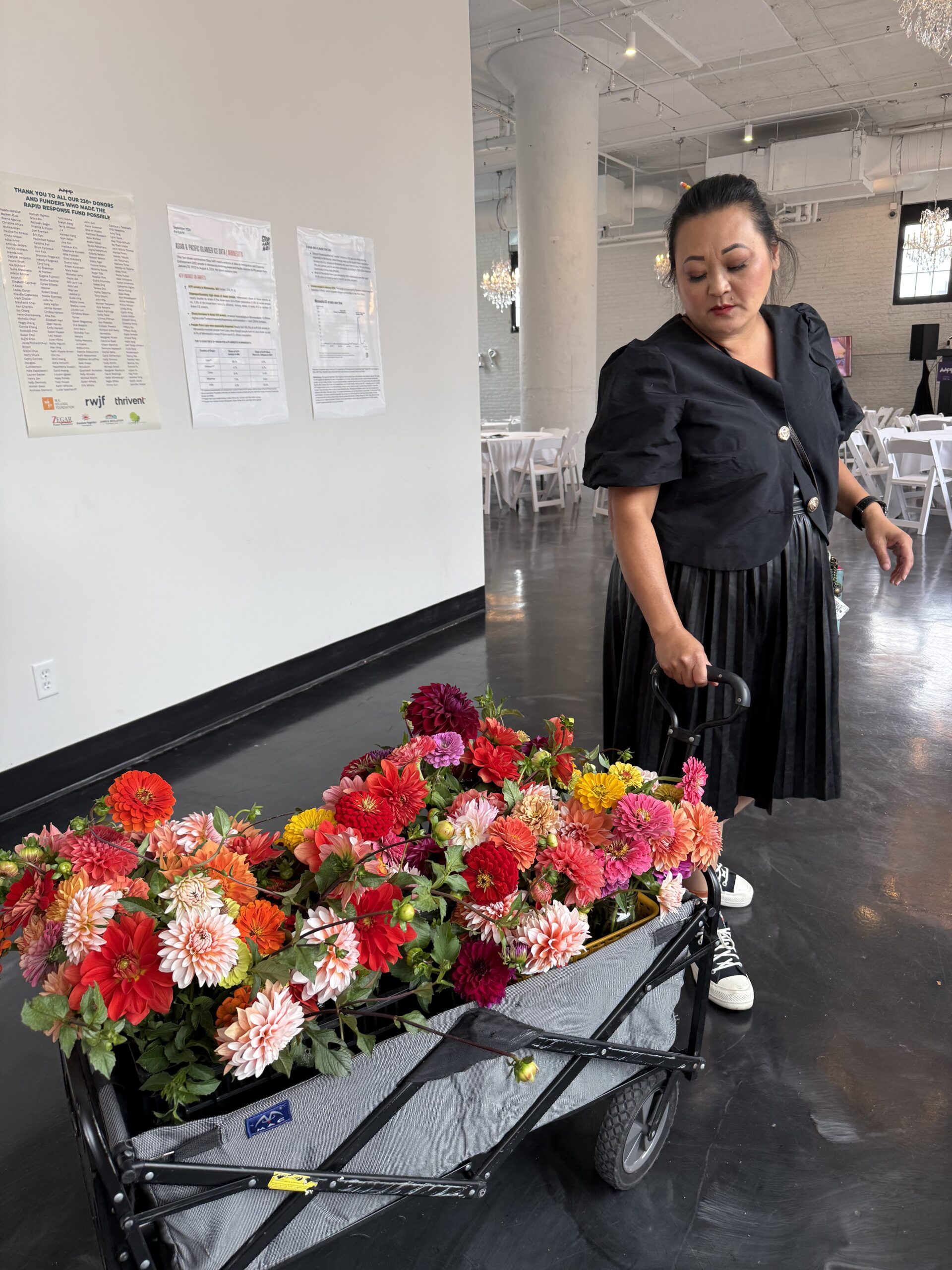
Earlier this week, we gathered about 100 people at The Ivory Event Center in Saint Paul to close out the Twin Cities Rapid Response Fund. The room held grantee partners, funders, donors, AAPIP members, and community allies who had supported the fund since it launched in February in response to a federal mass-raid operation in the Twin Cities.
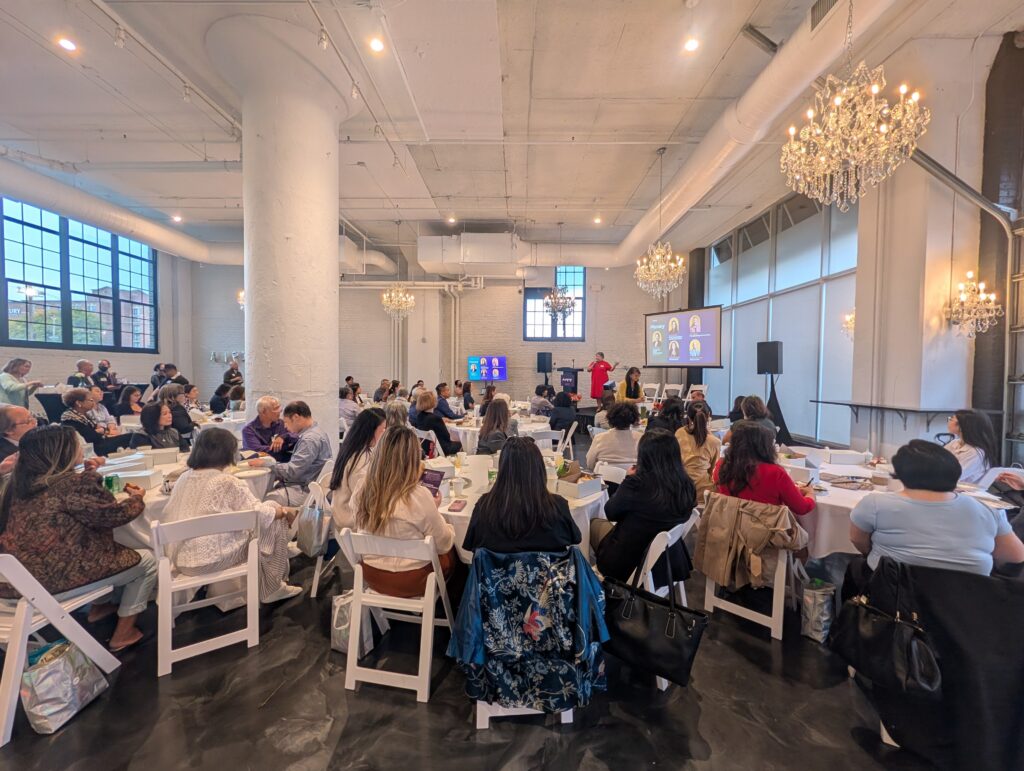
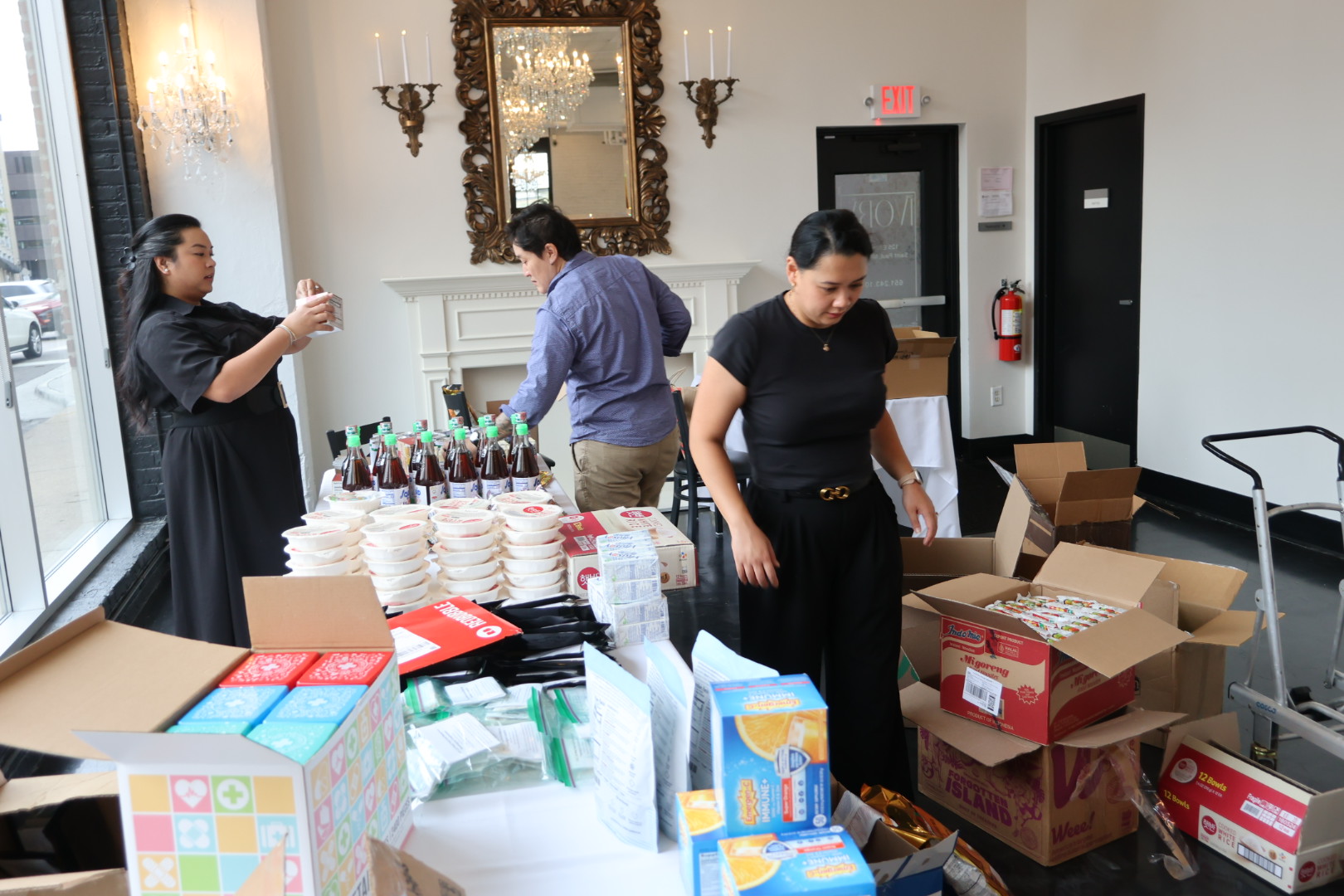
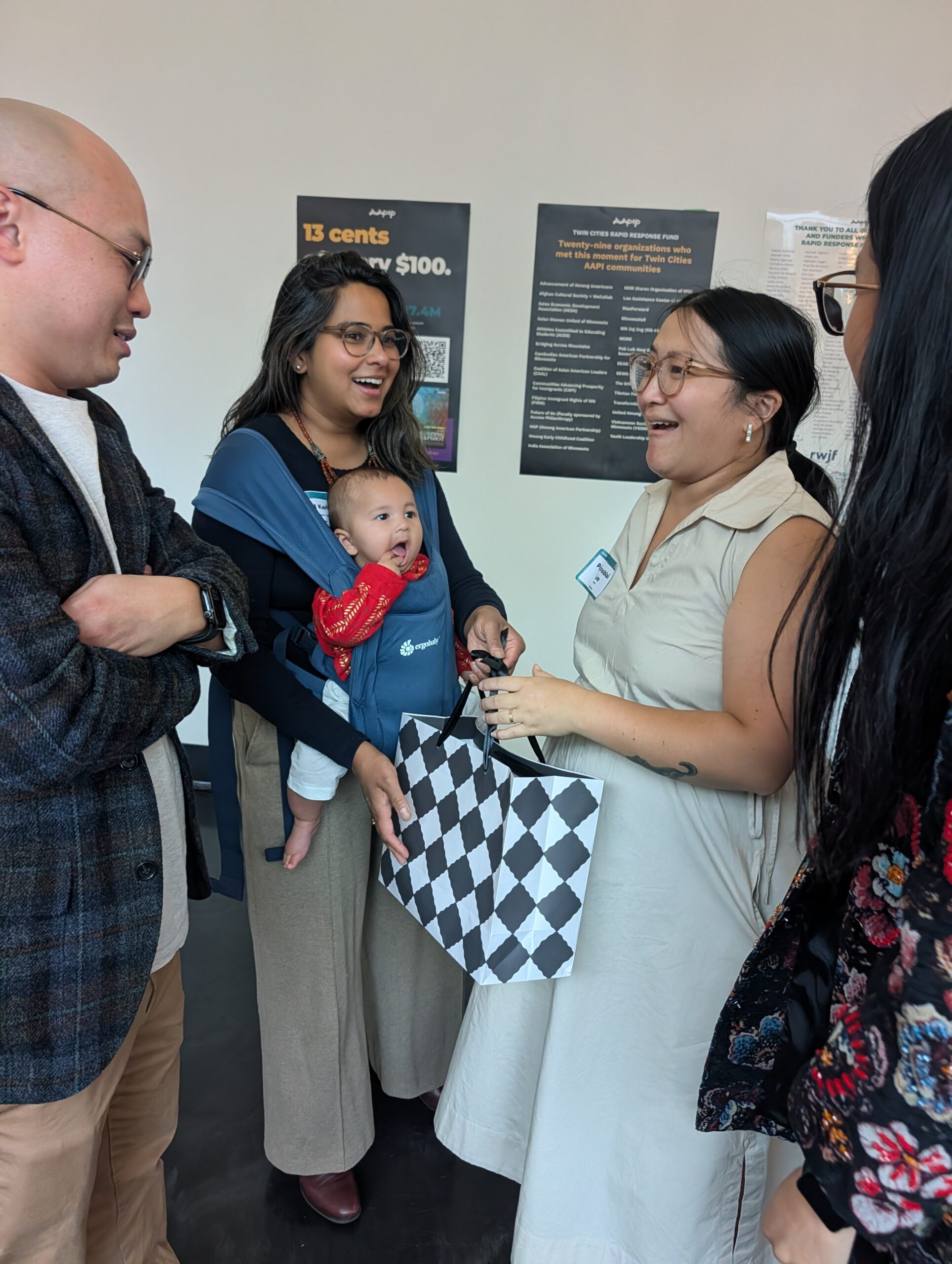
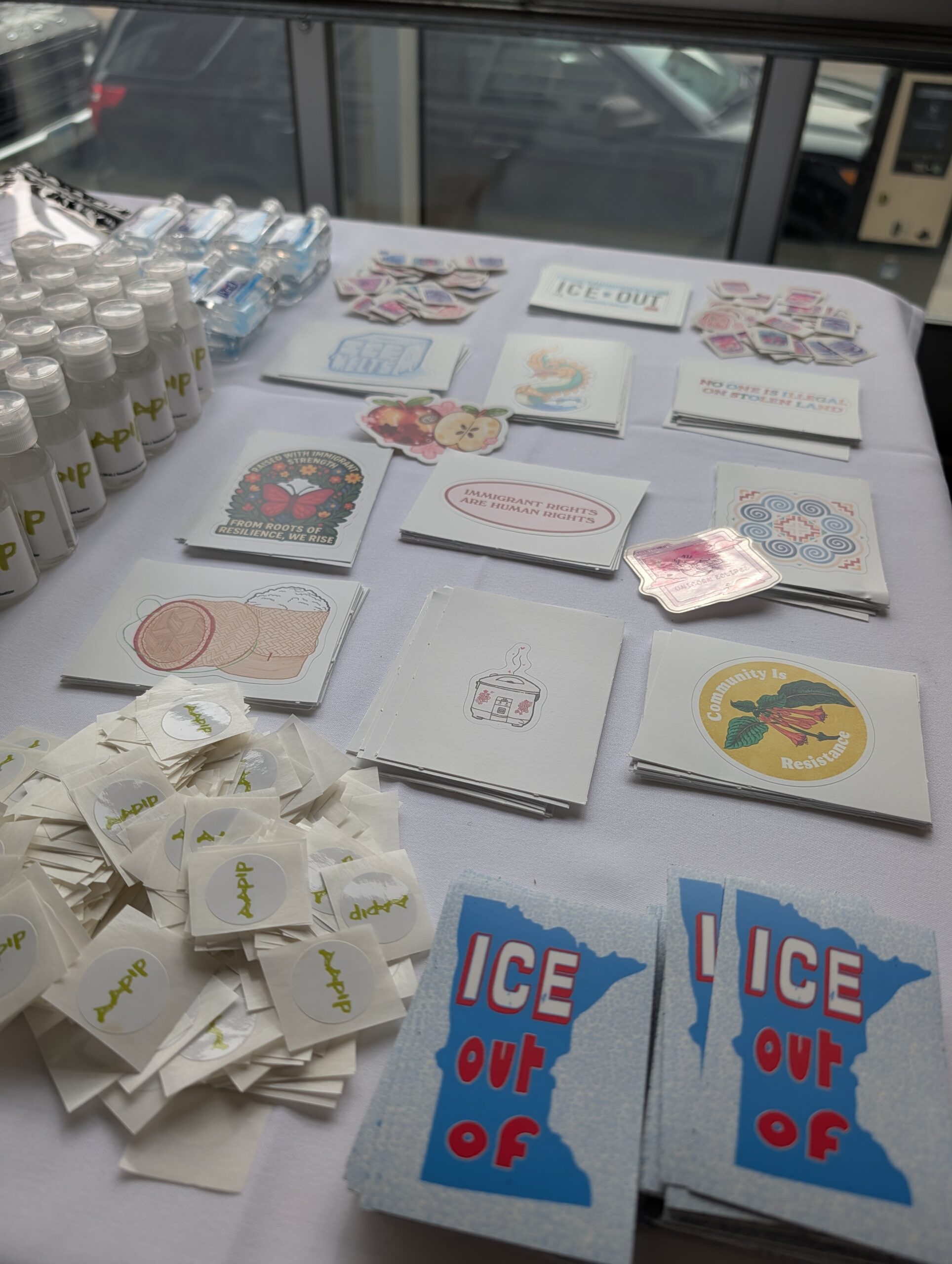
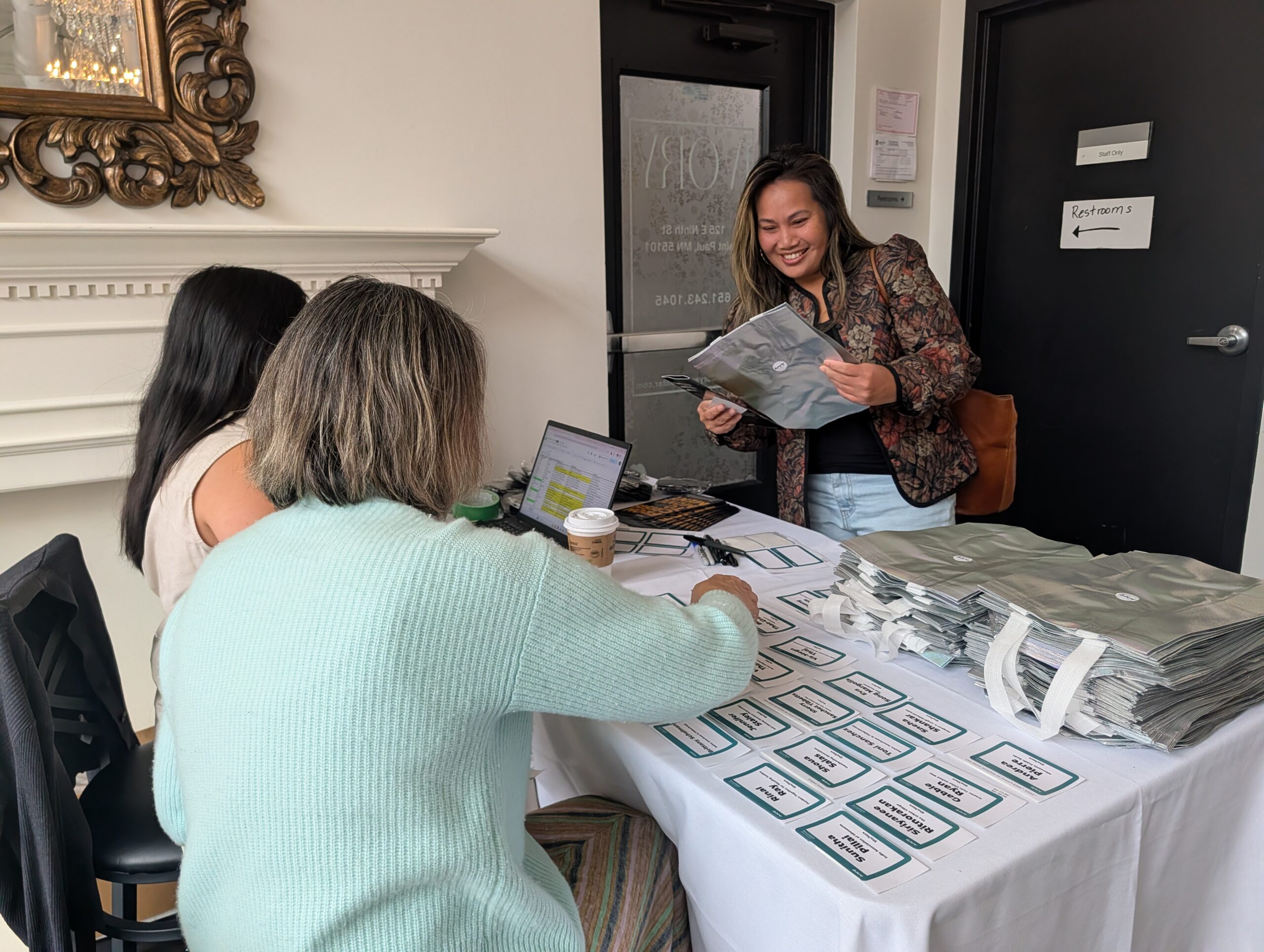
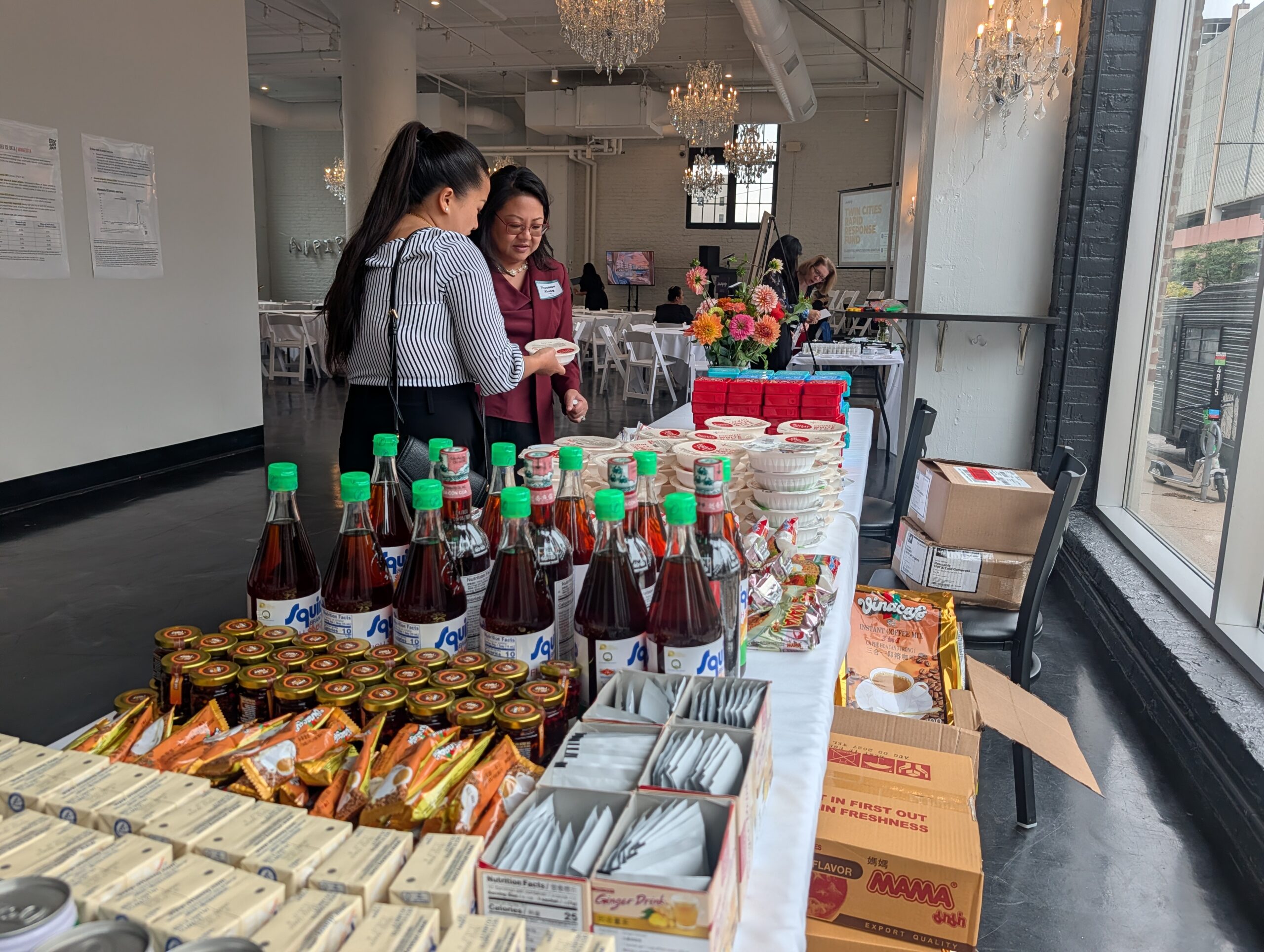
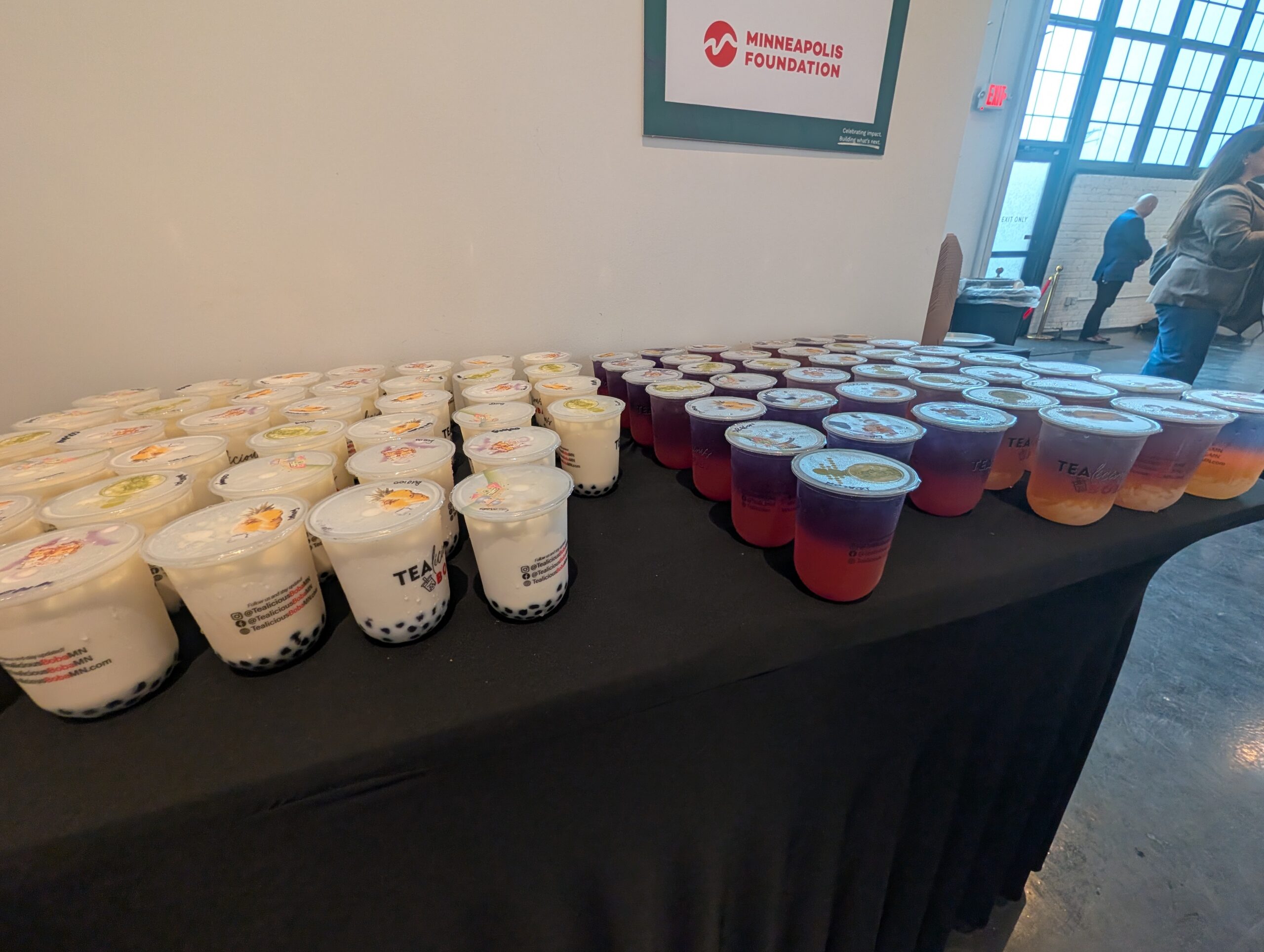
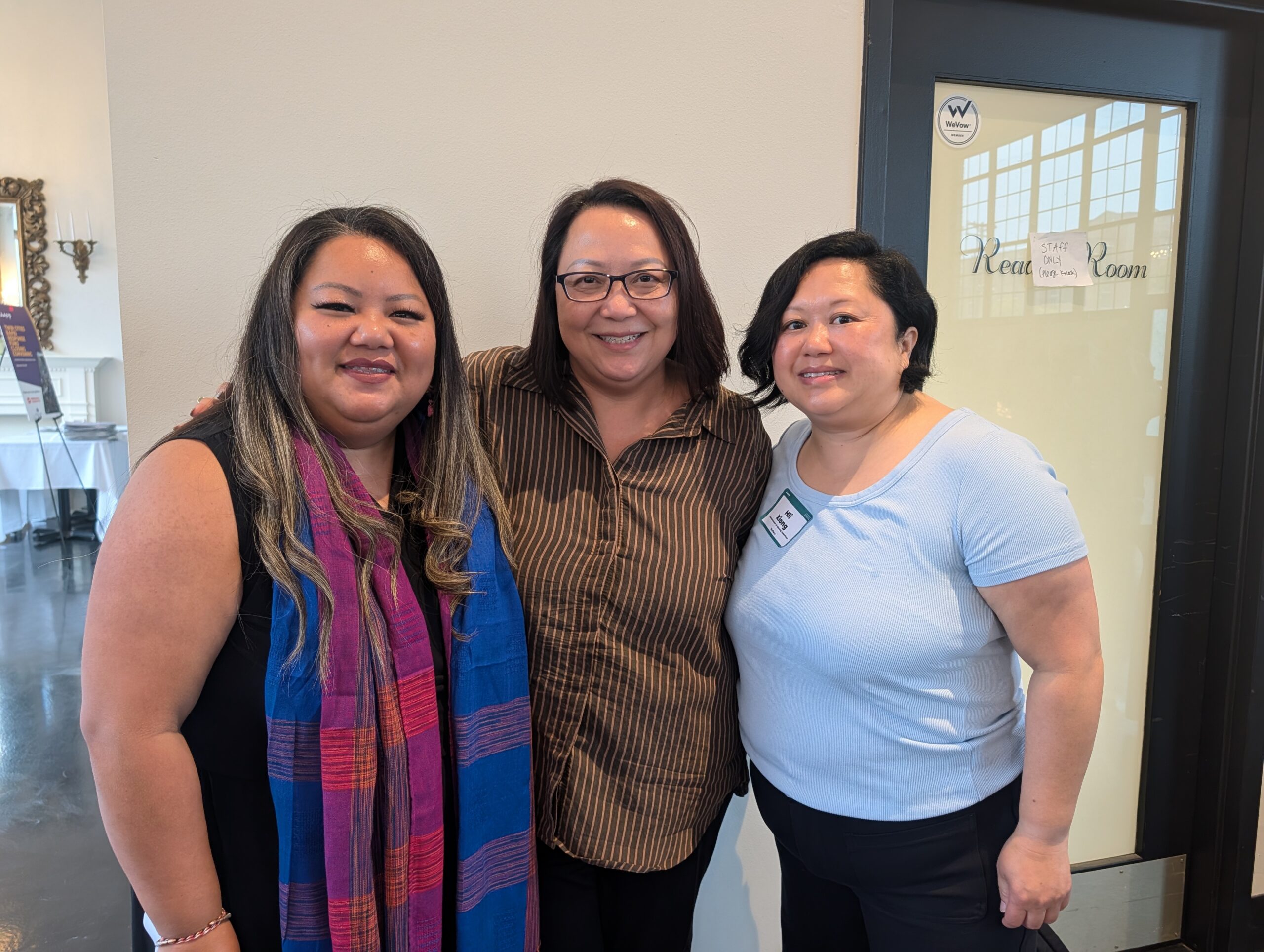
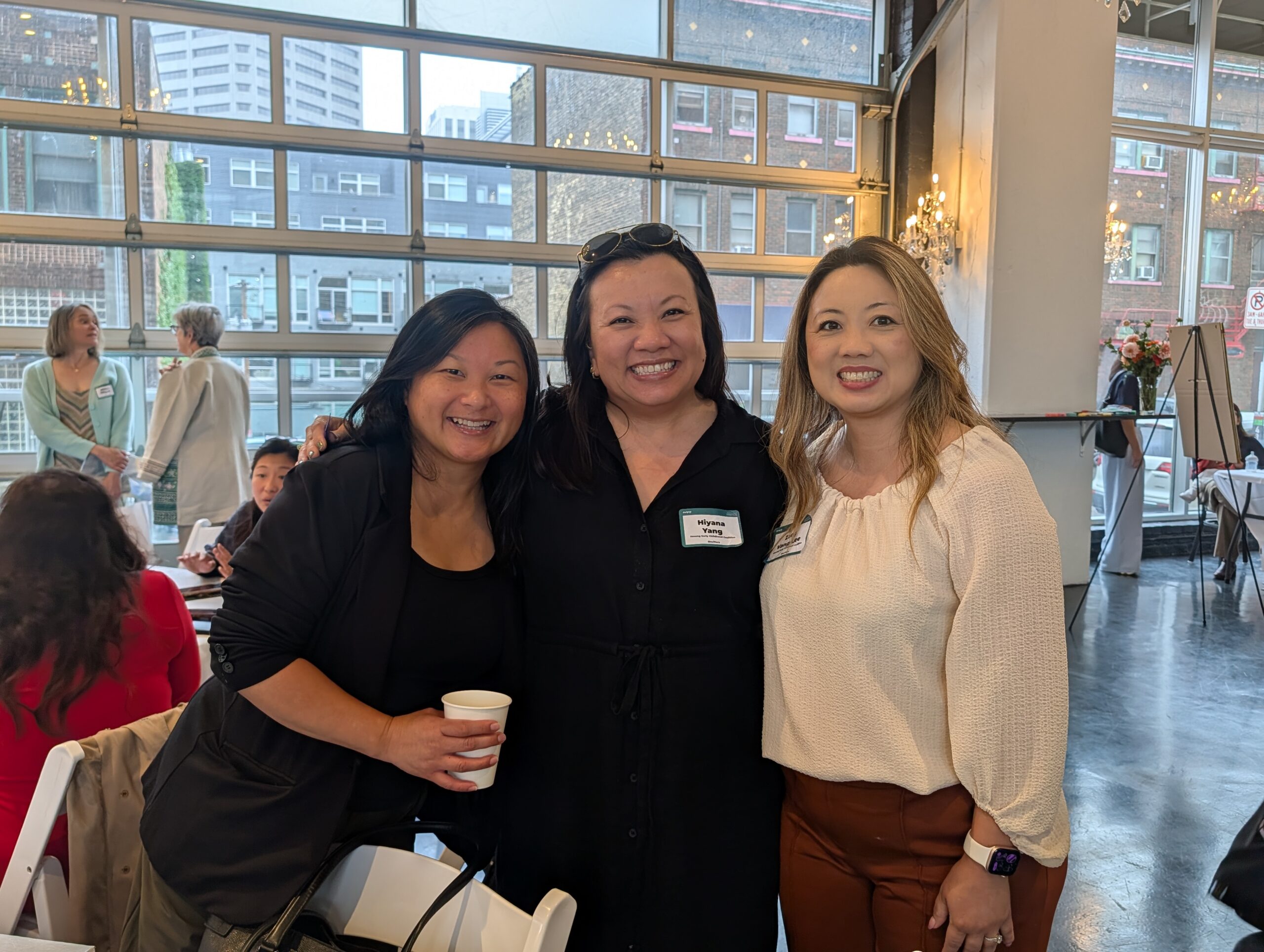
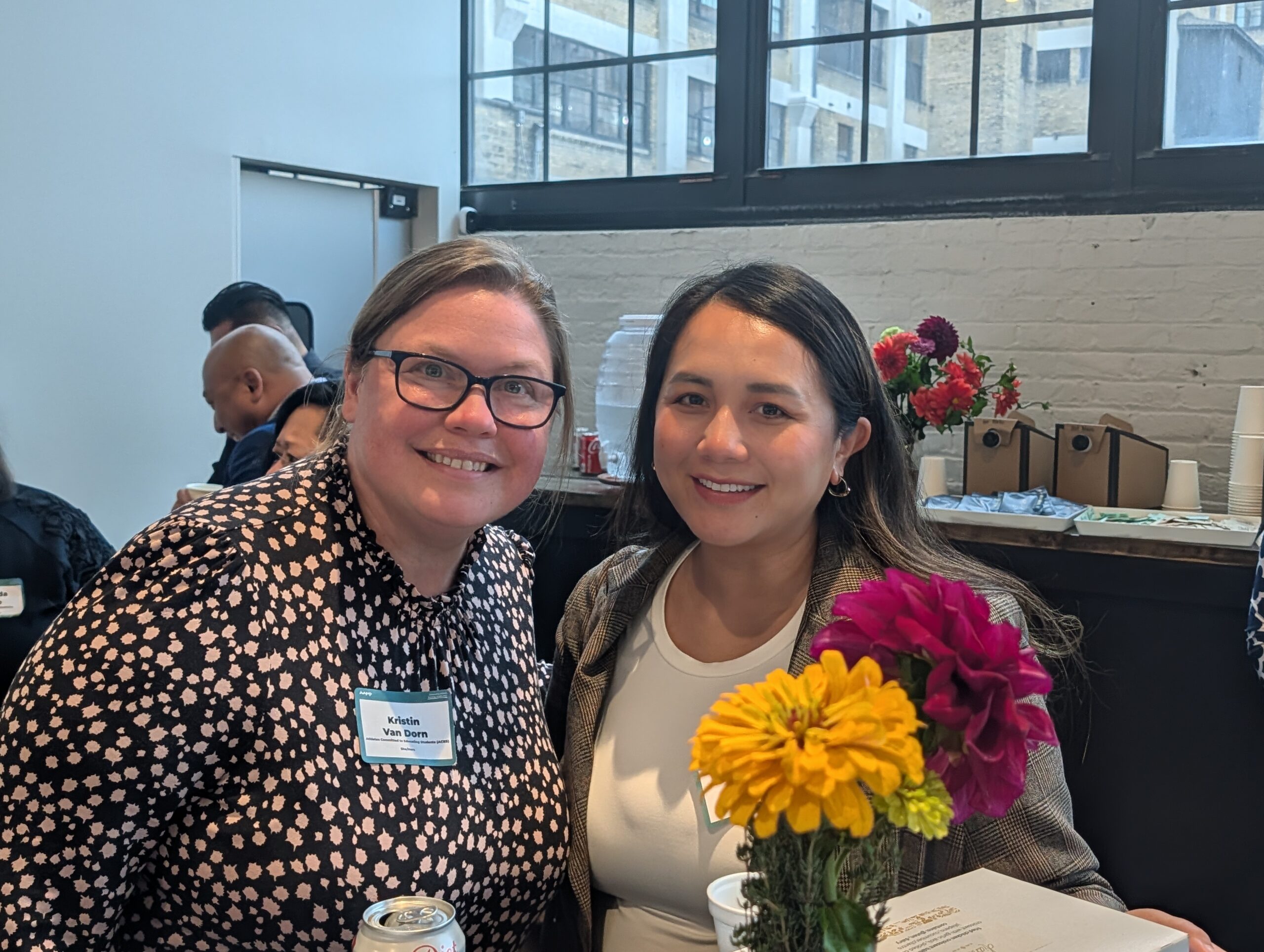
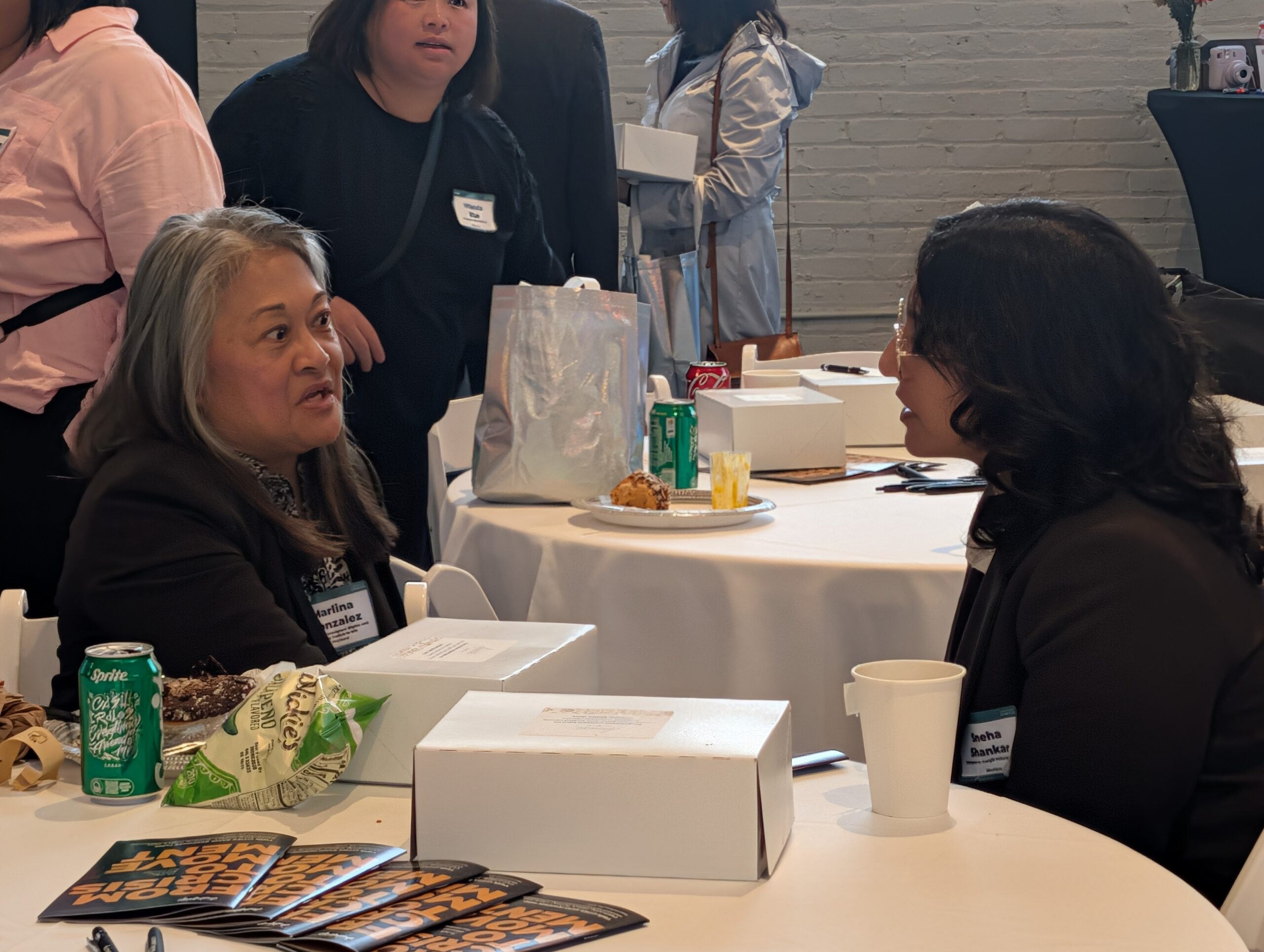
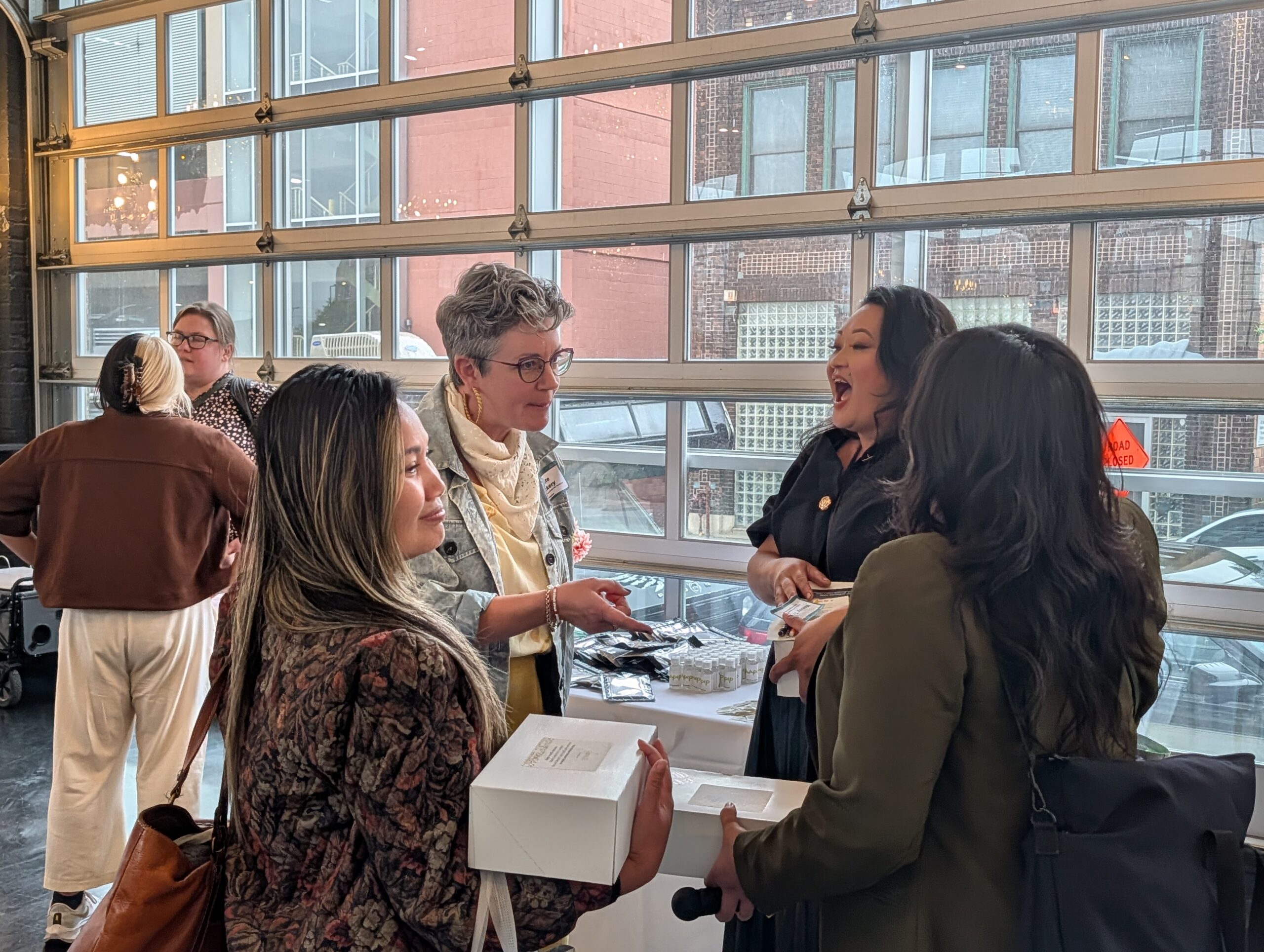
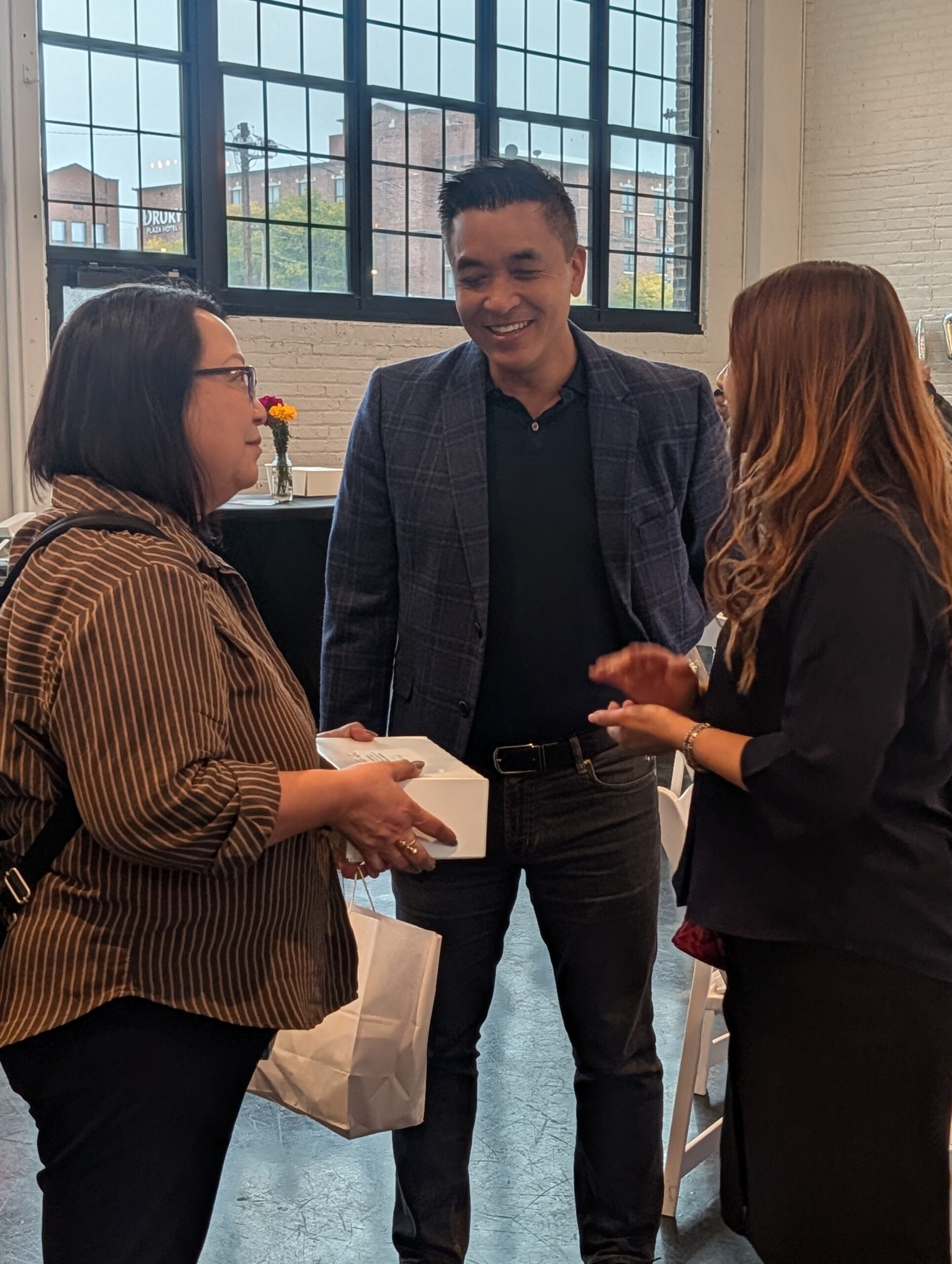
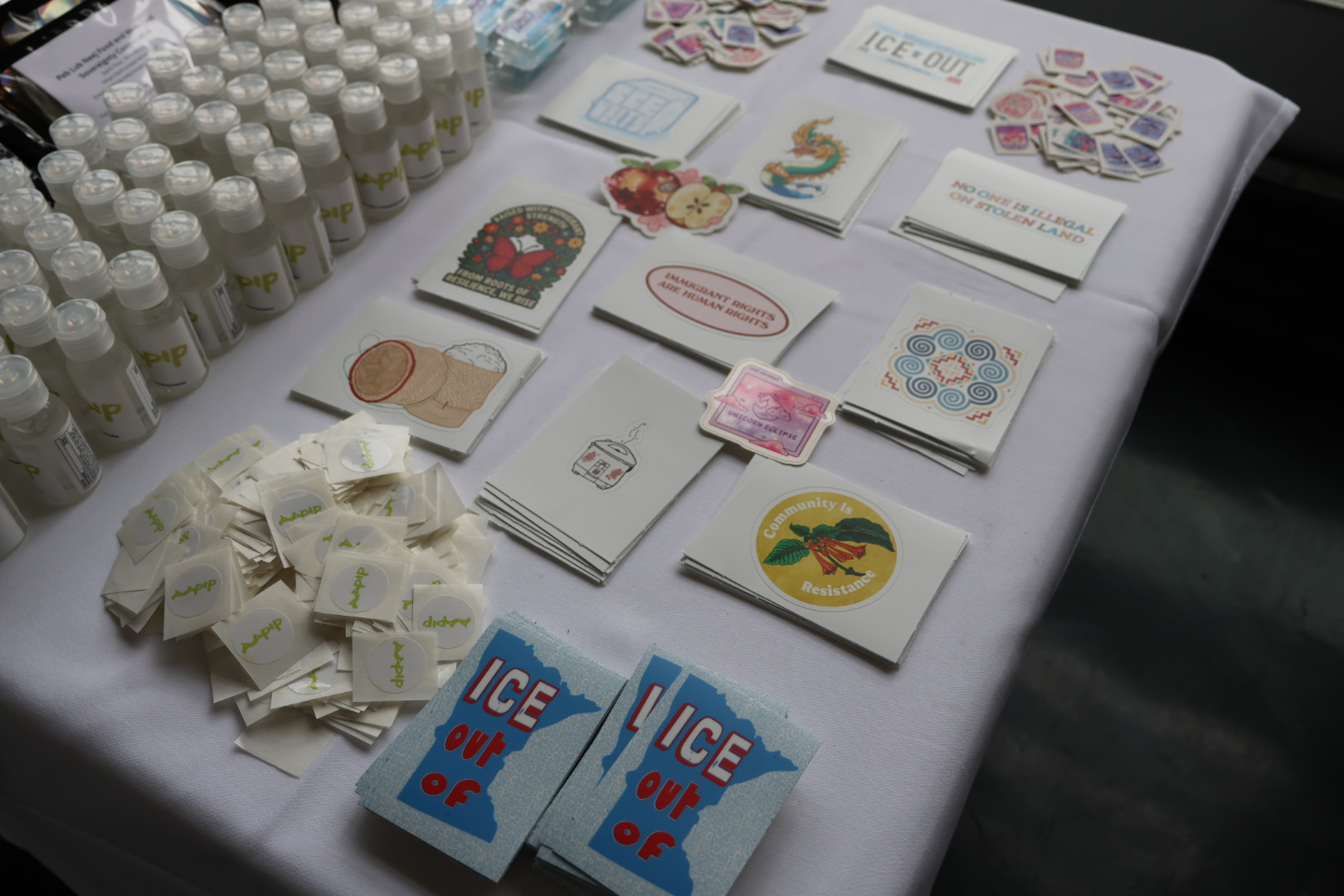
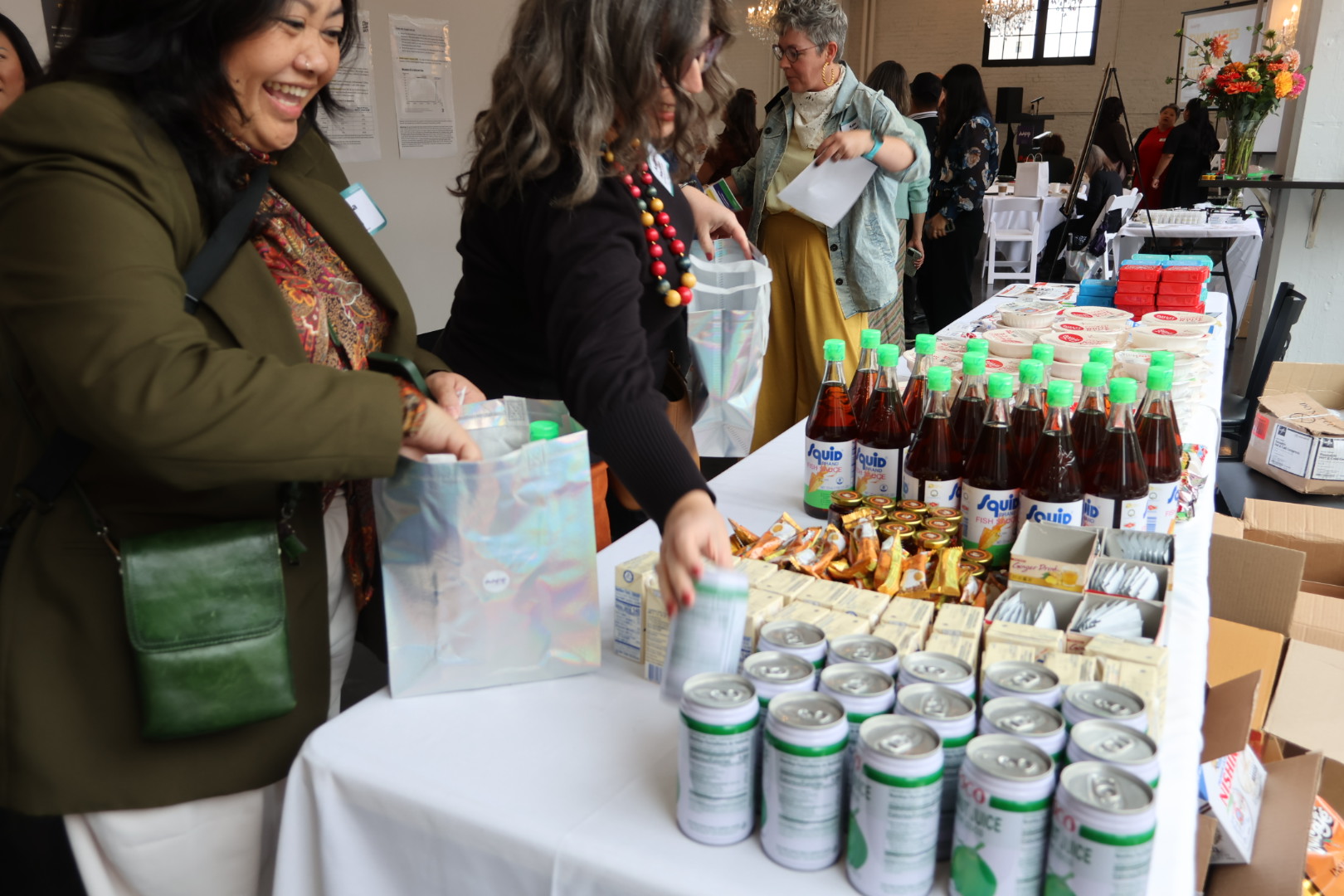
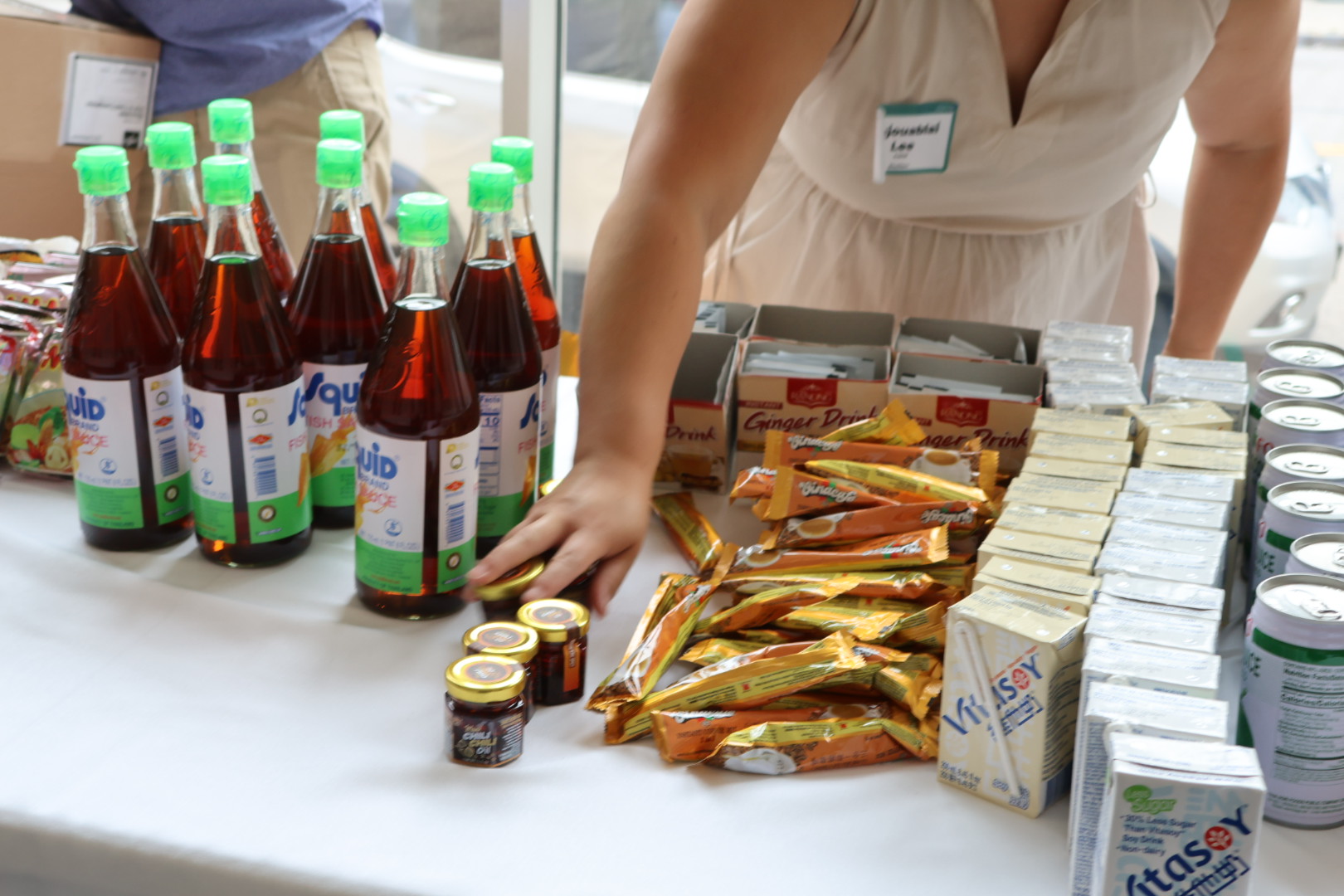
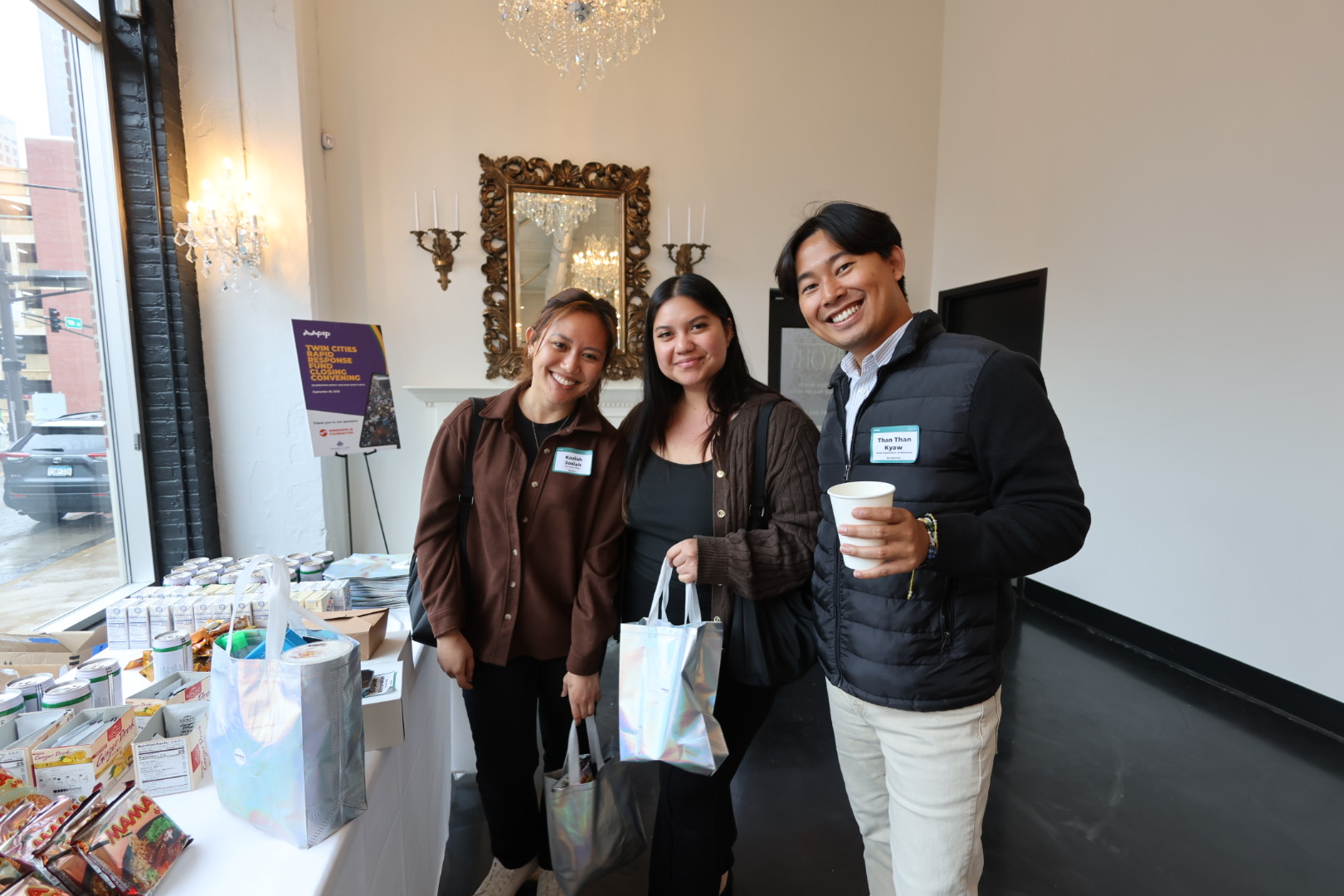
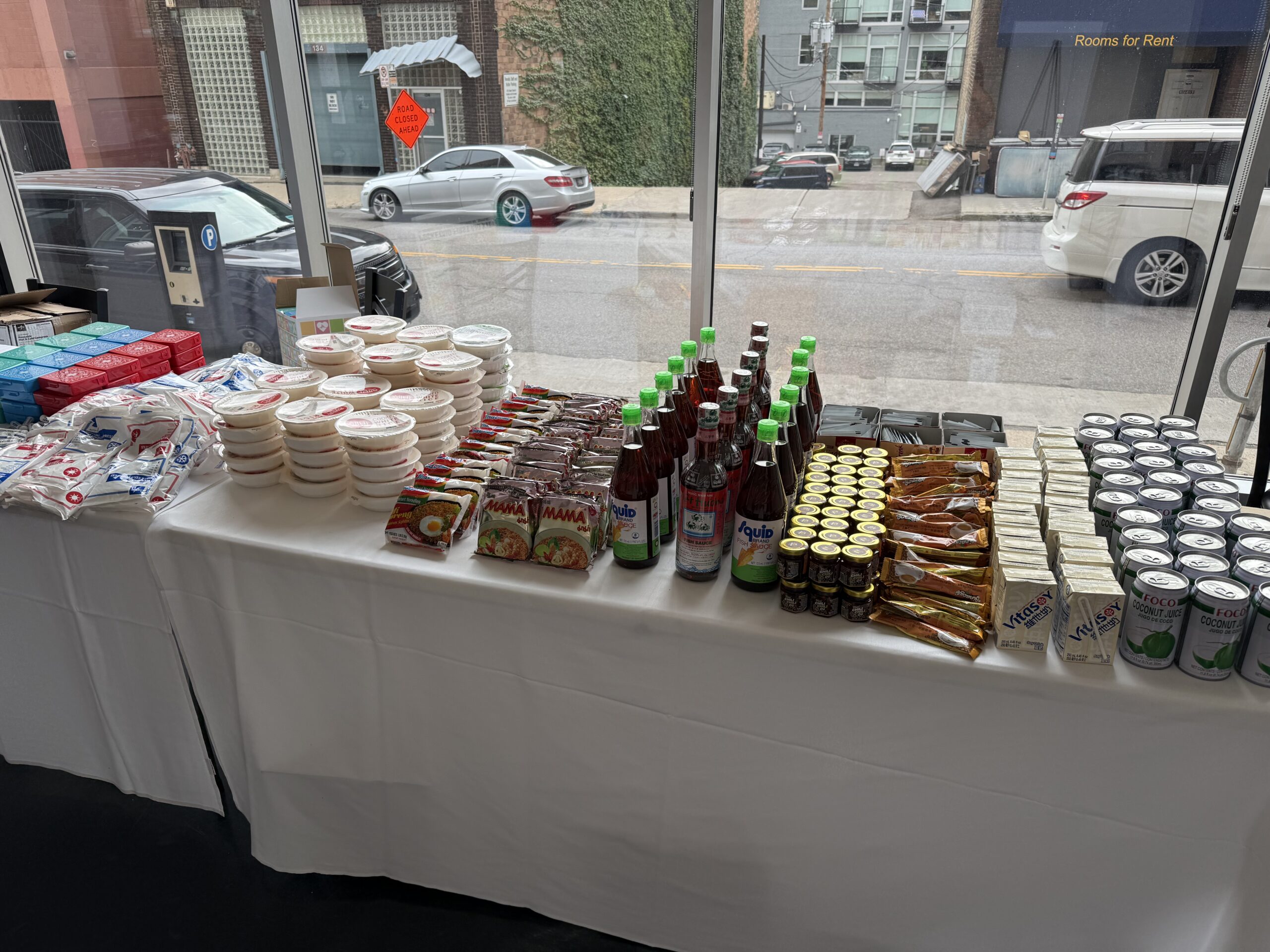
The day opened with lunch and goodie bags, and the informal conversation that started over food set the tone the rest of the afternoon.
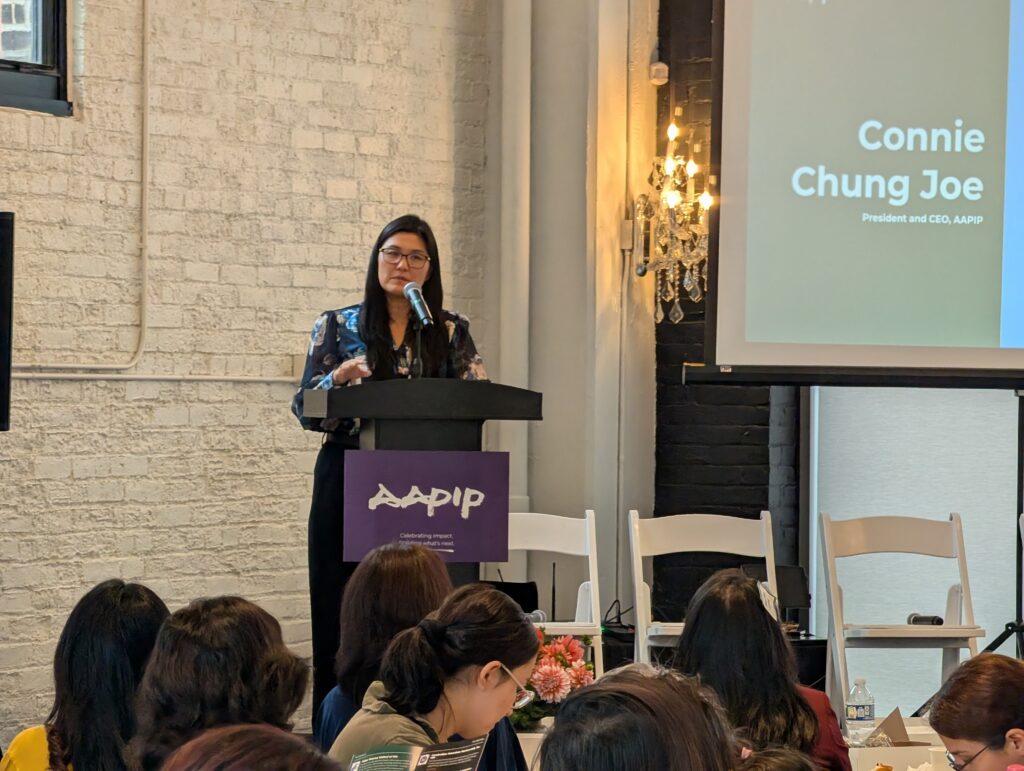
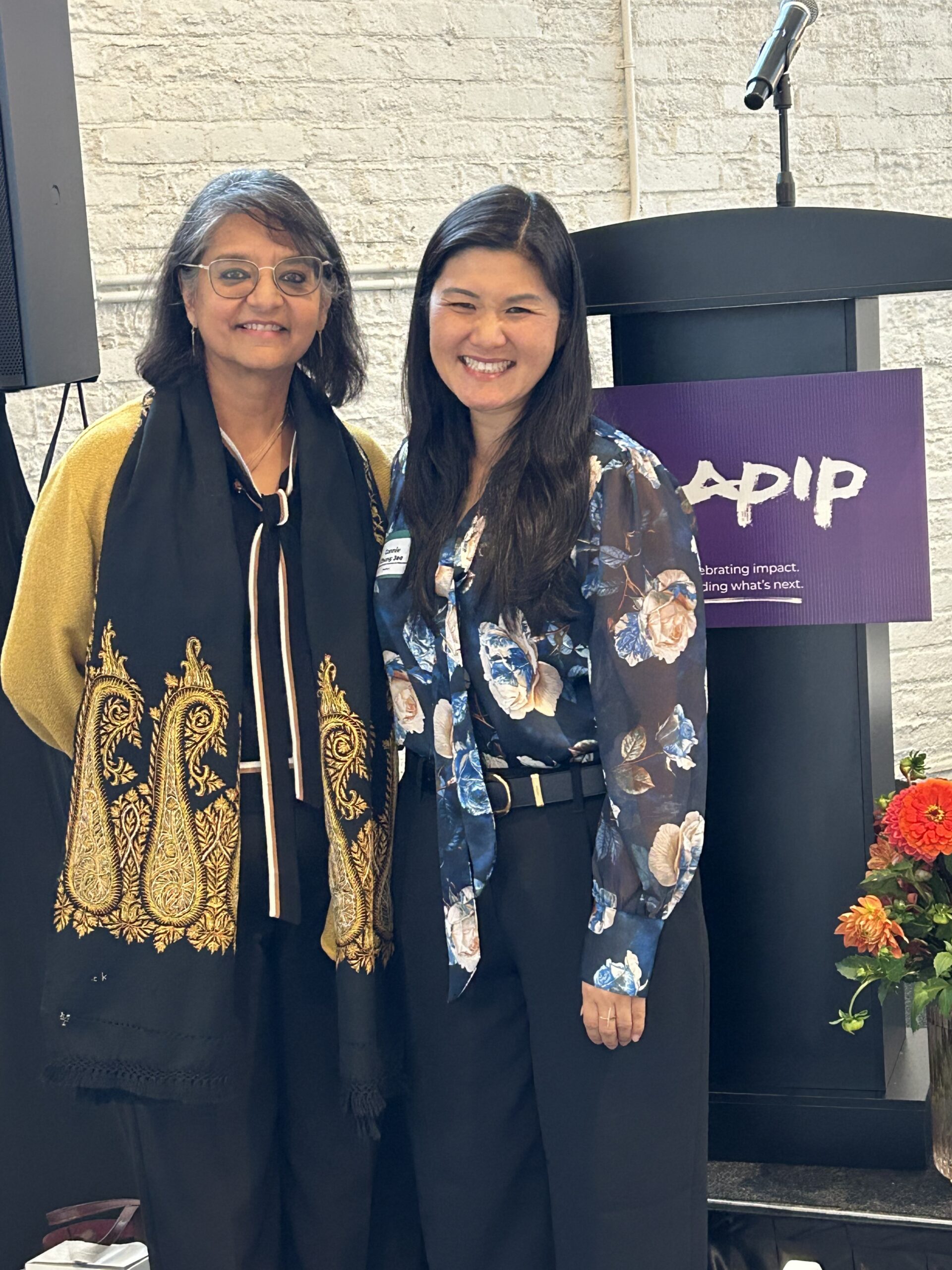
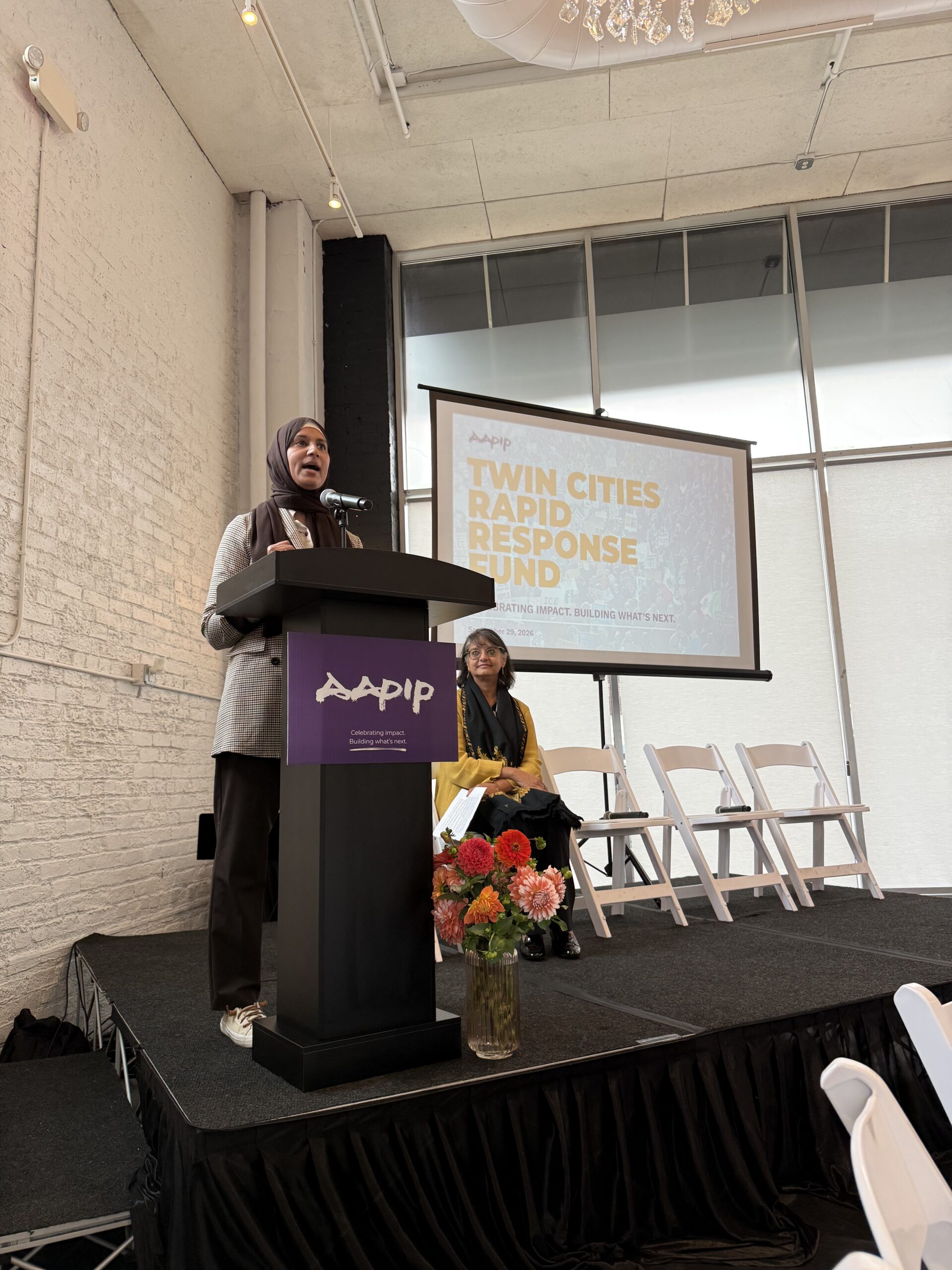
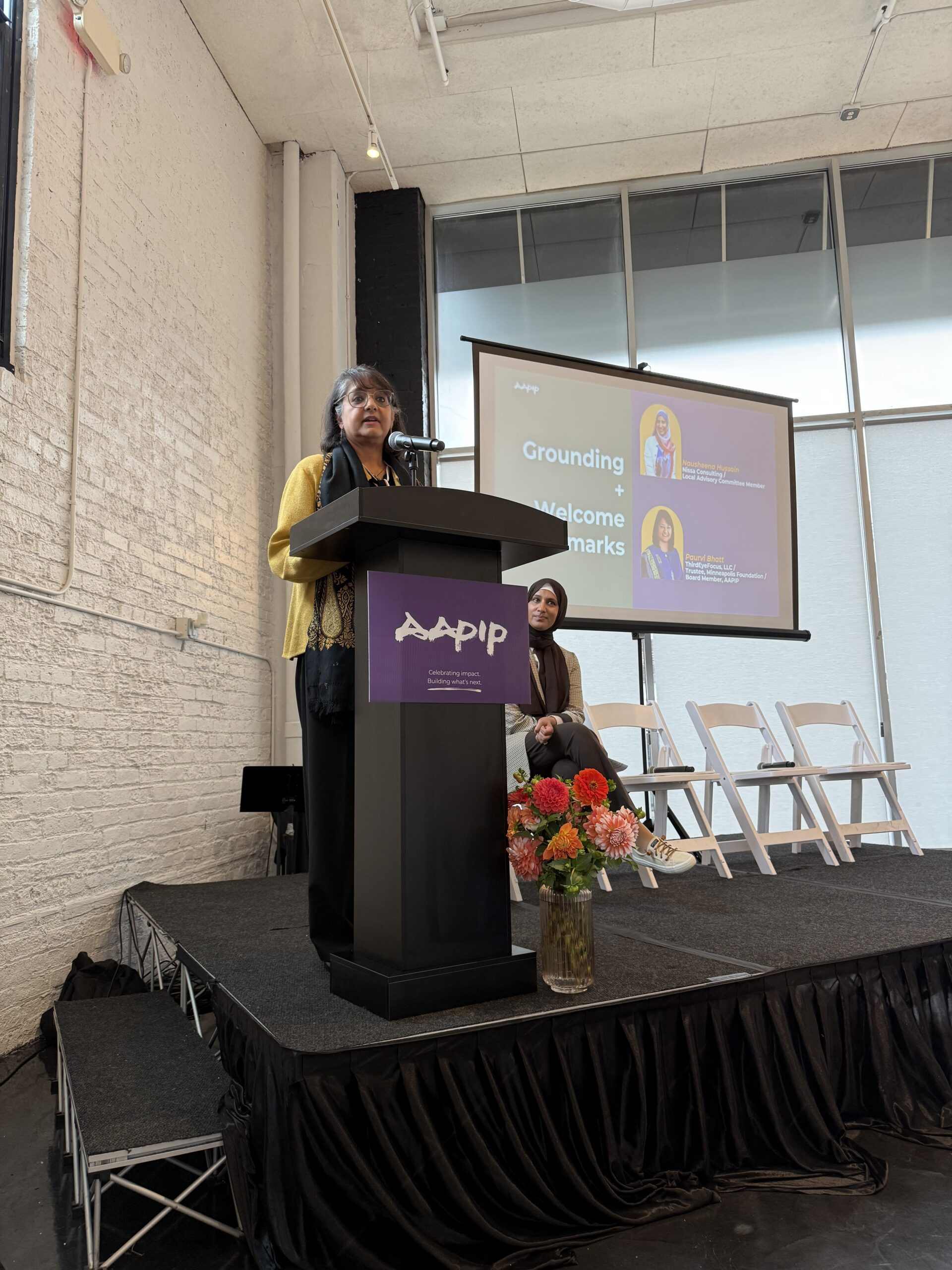
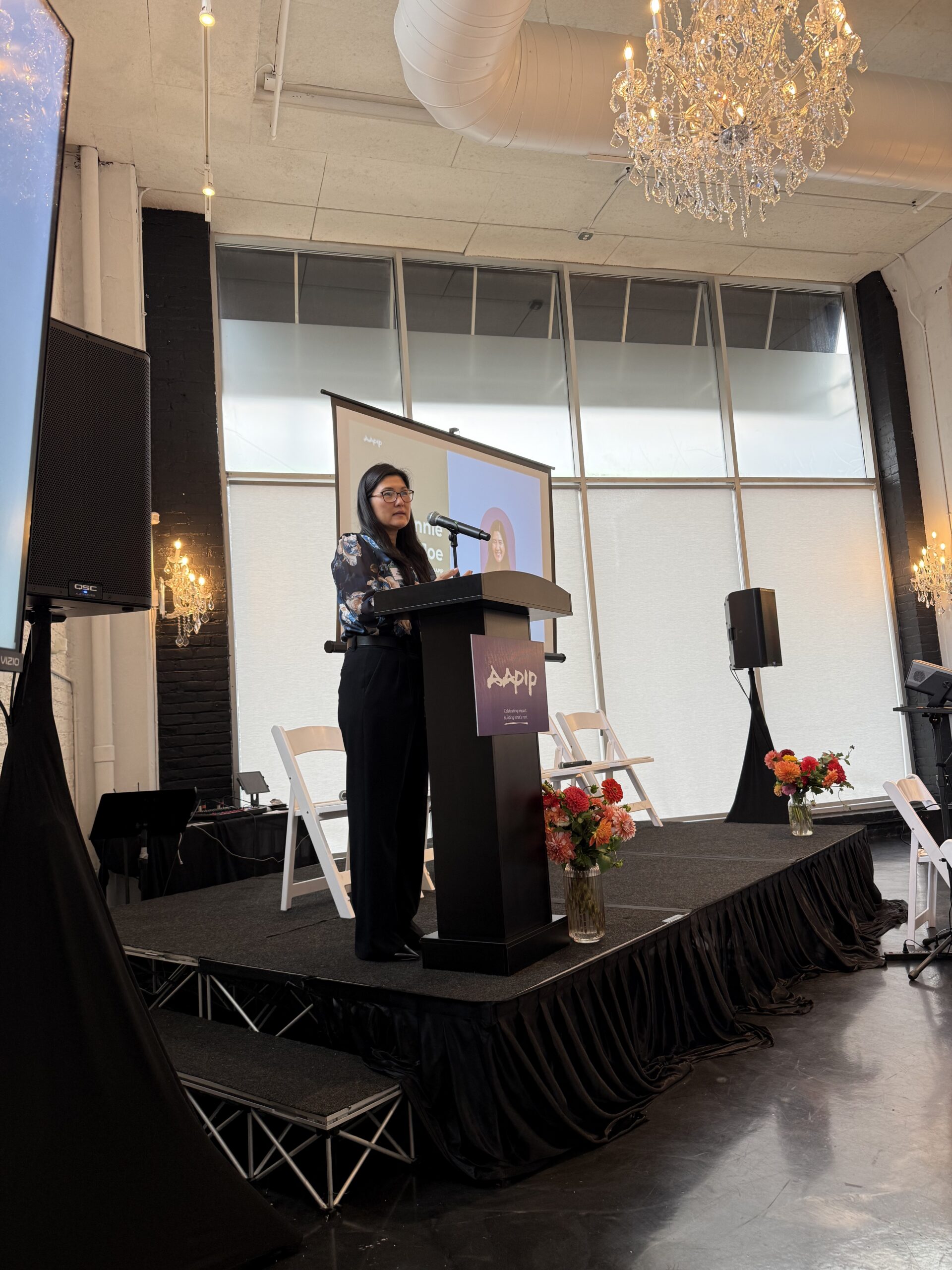
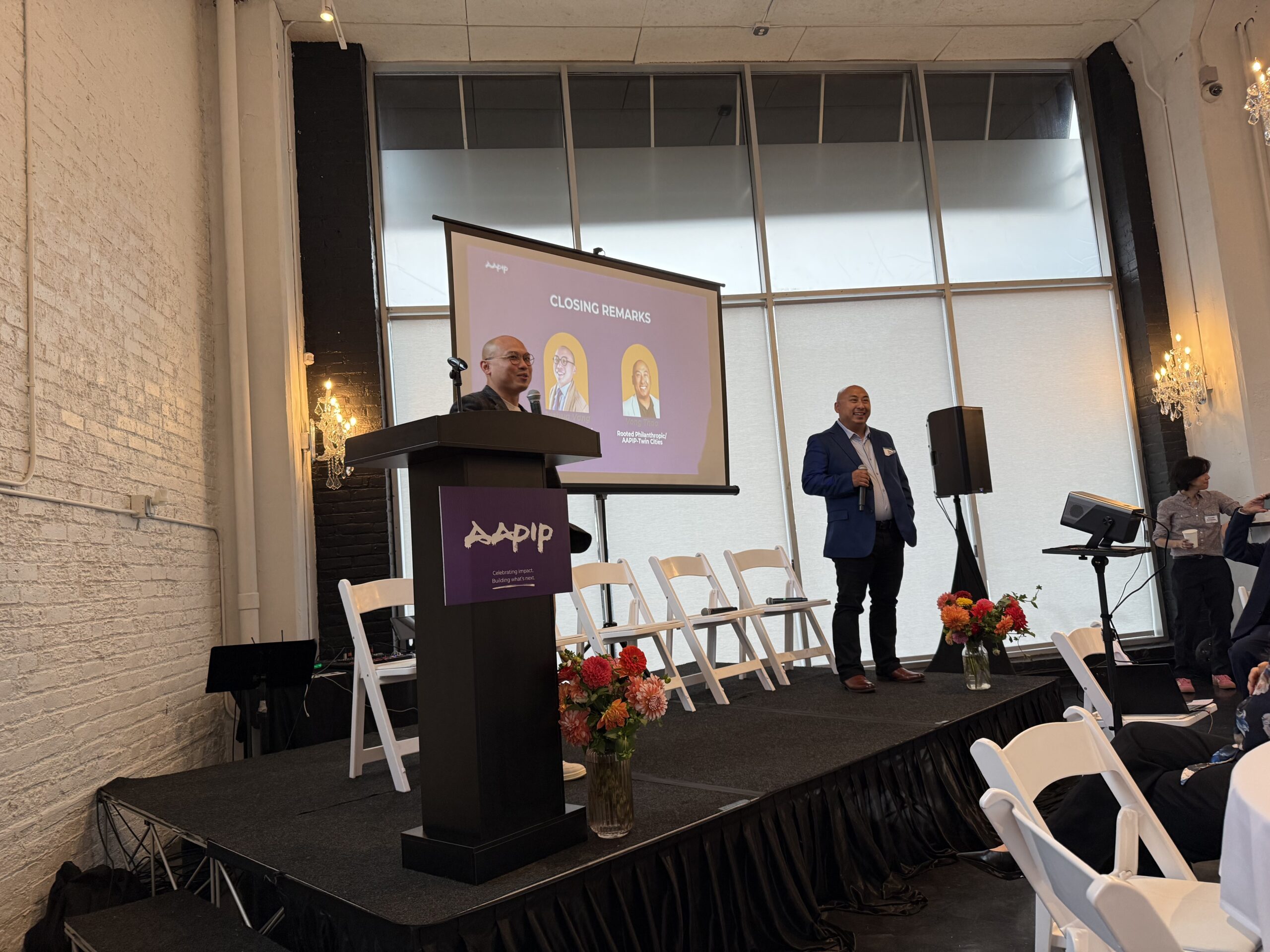
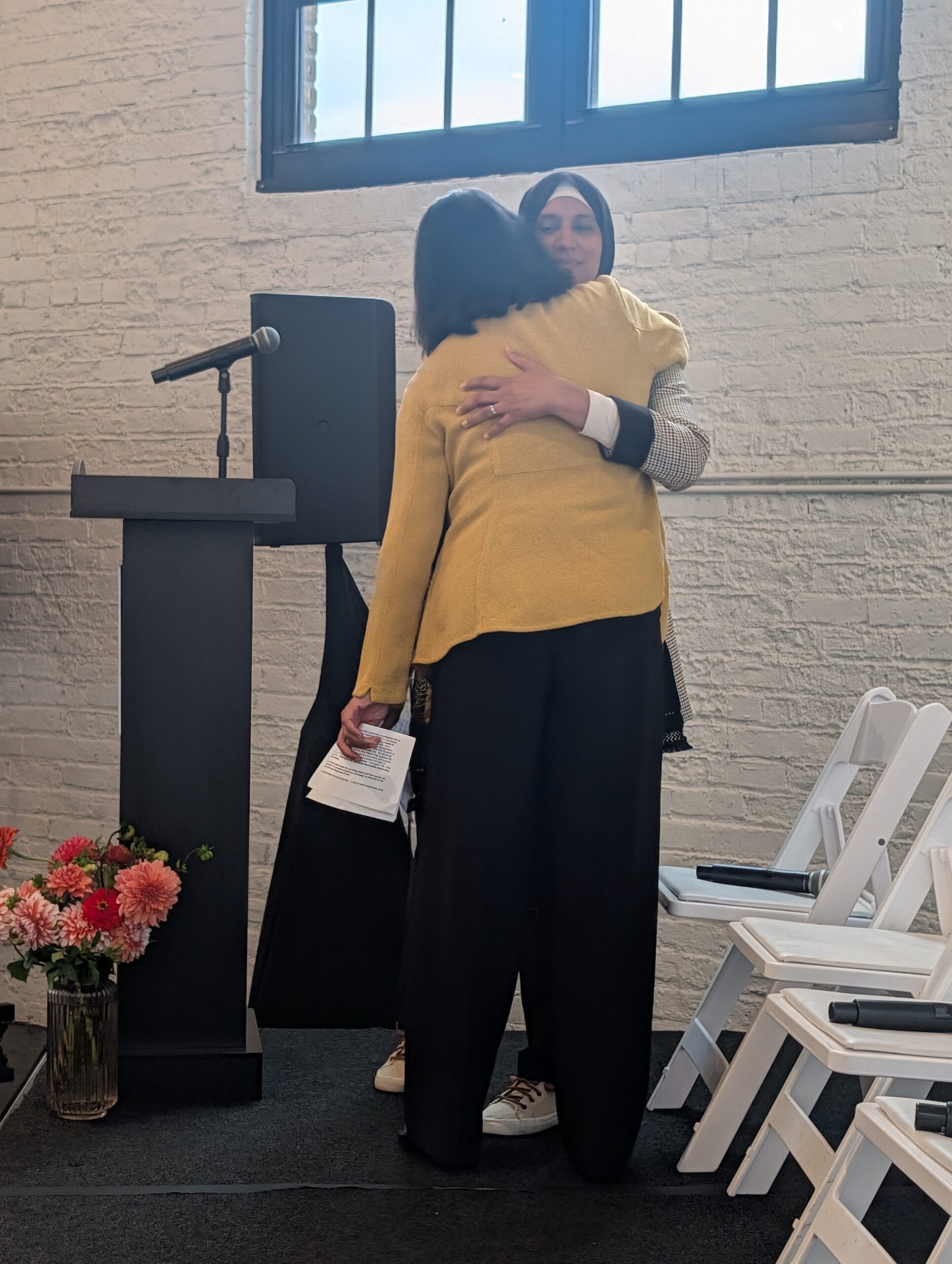
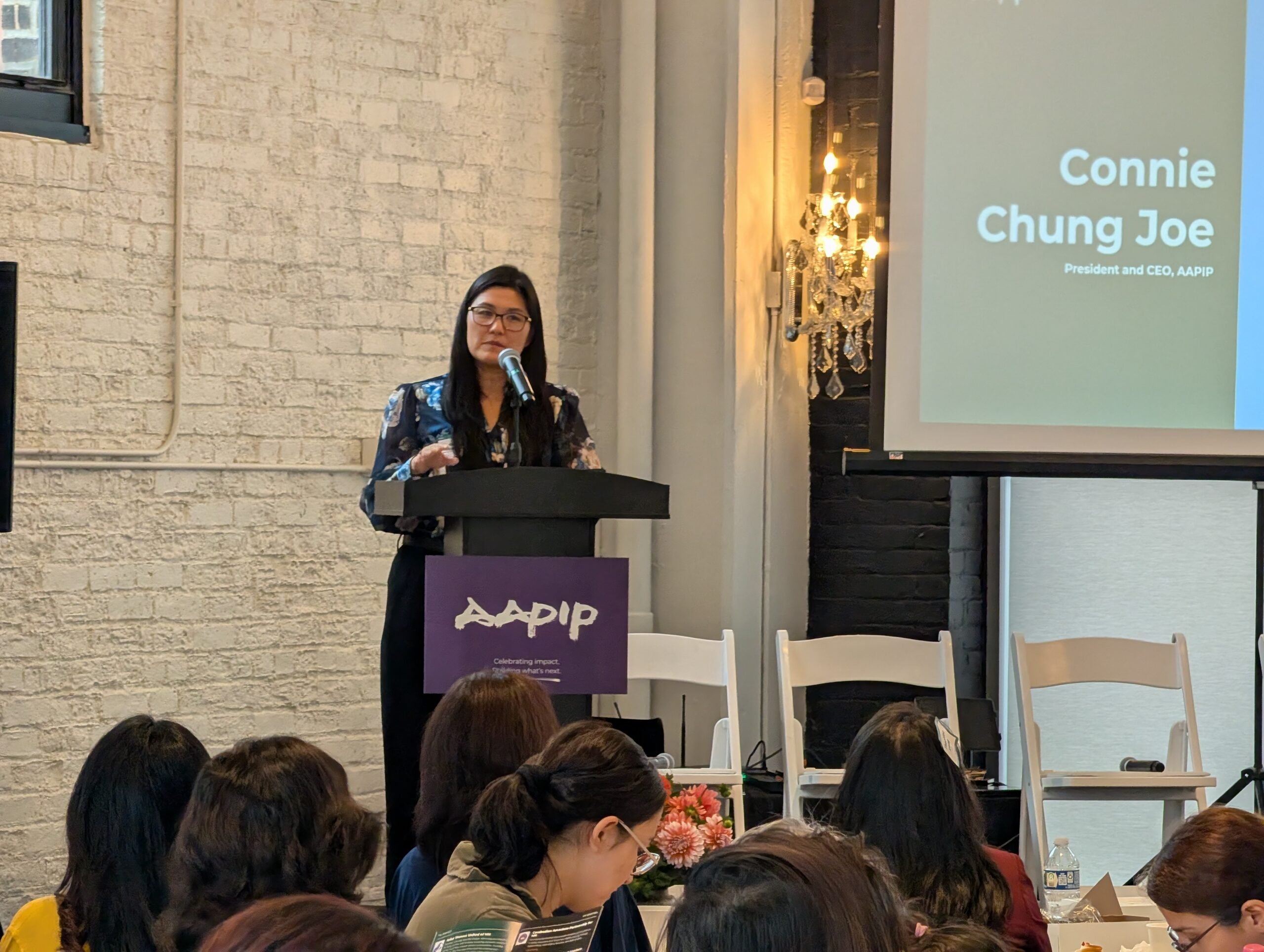
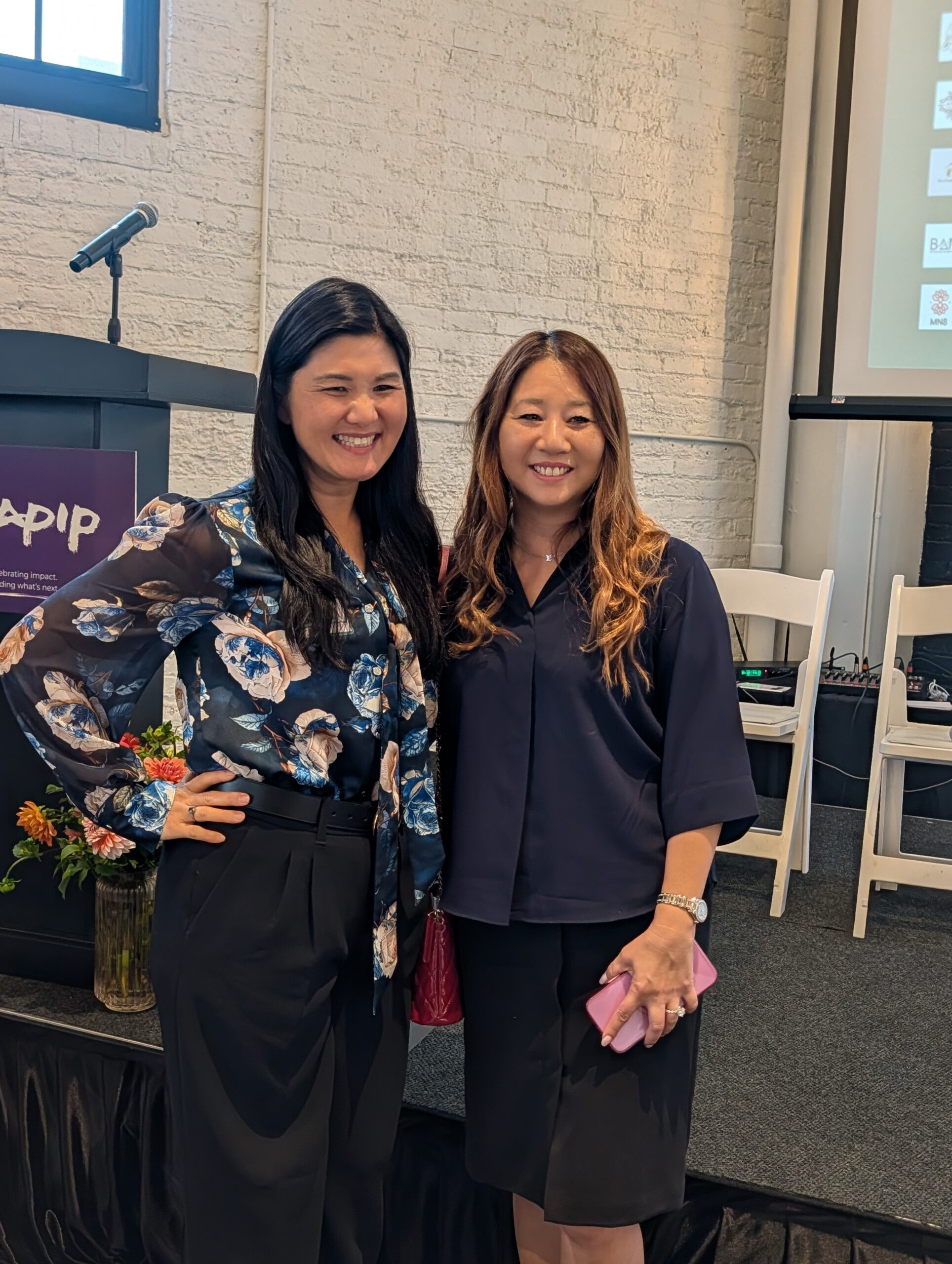
Nausheena Hussain of Nissa Consulting and the fund’s local advisory committee, Paurvi Bhatt of ThirdEyeFocus and the AAPIP board, and AAPIP President & CEO Connie Chung Joe opened the program with grounding remarks welcoming our guests, adding context to how the fund came about, and thanking funders and grantees for the ways everyone showed up during a moment of deep fear and crisis.
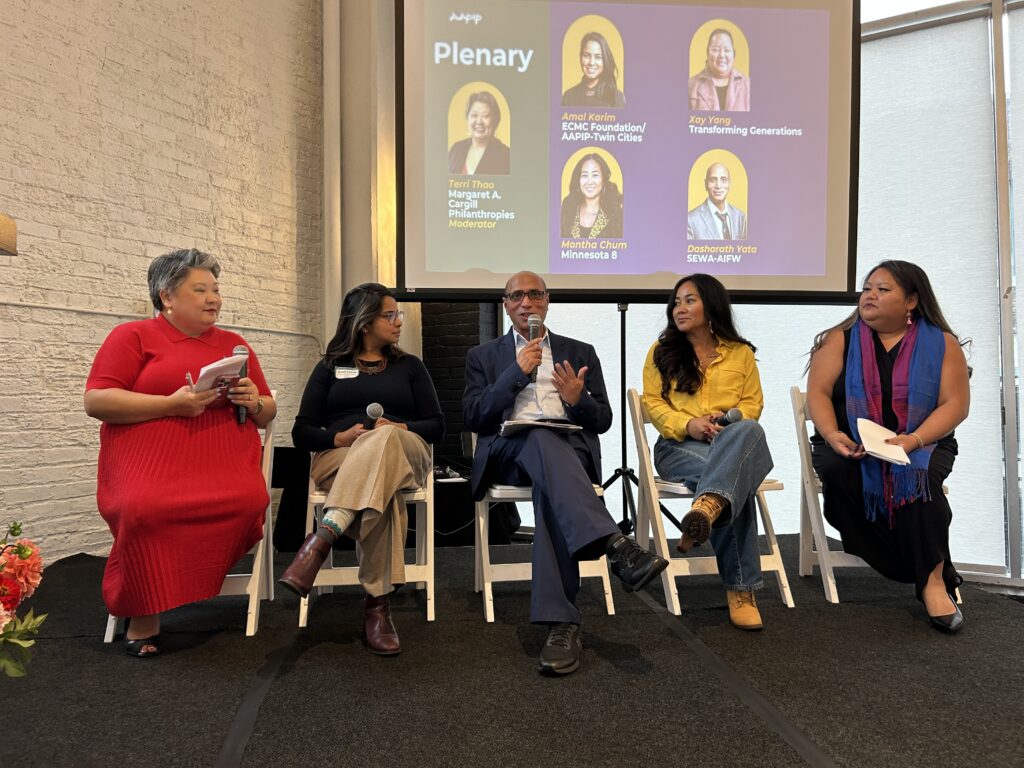
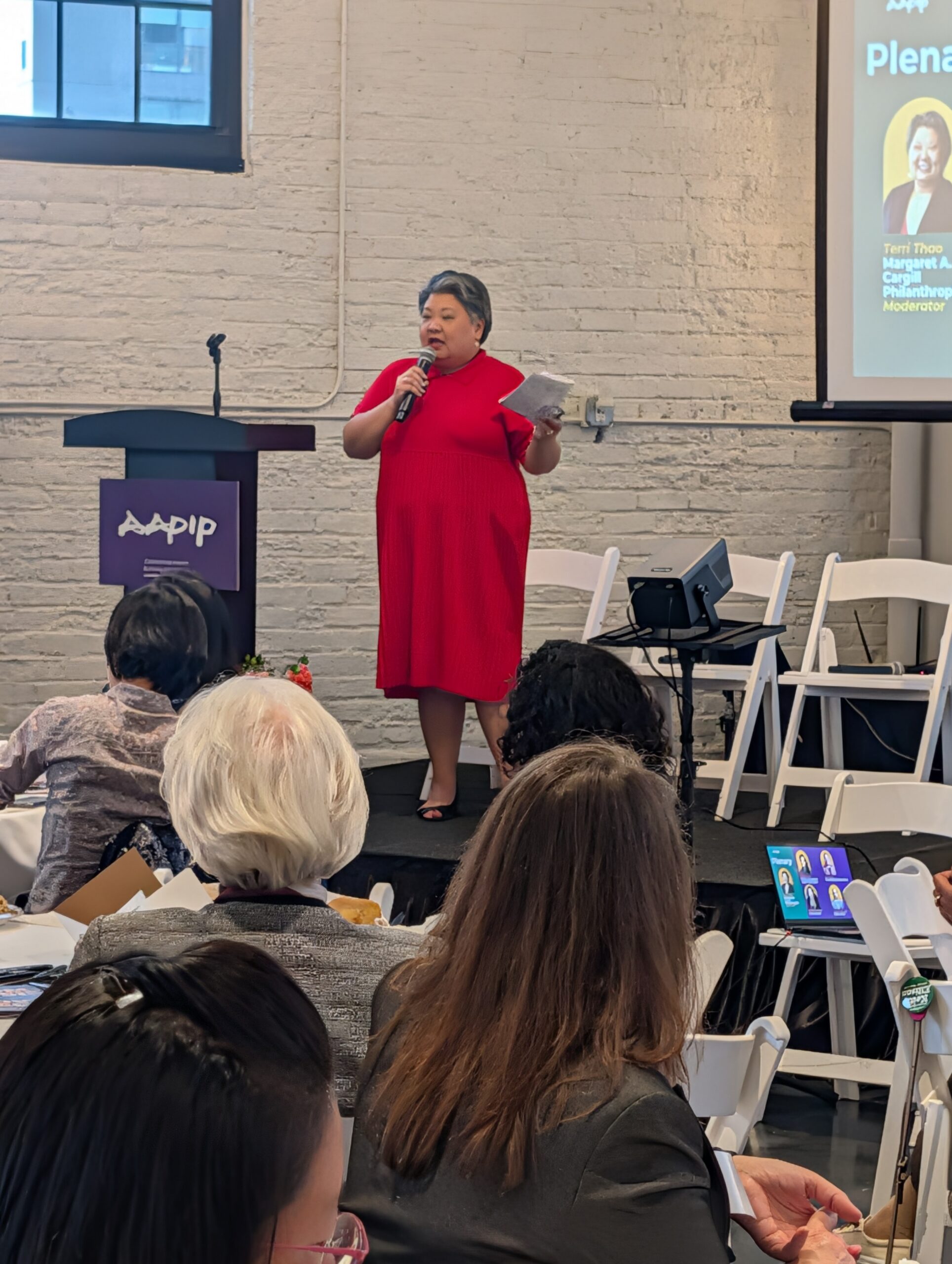
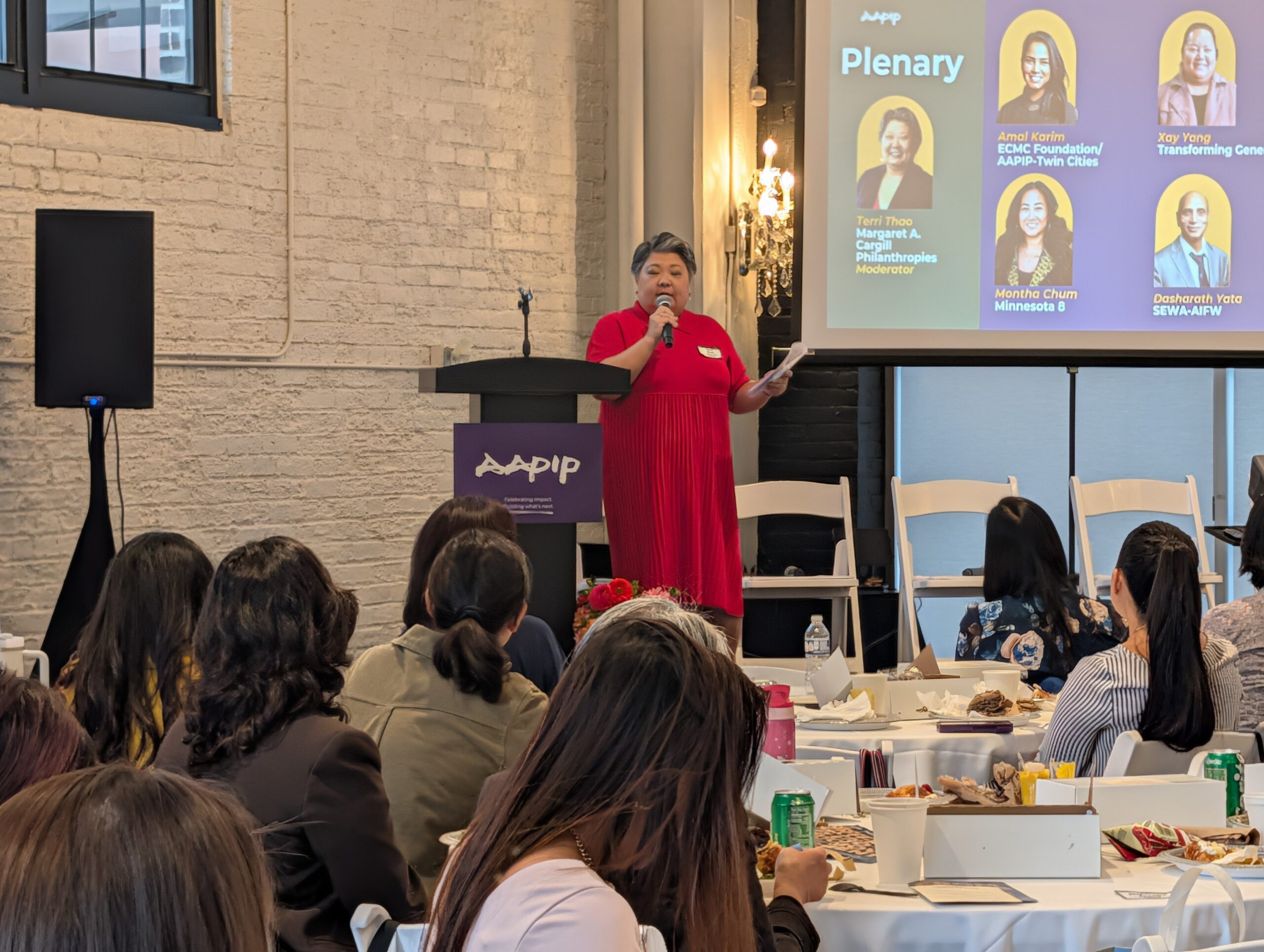
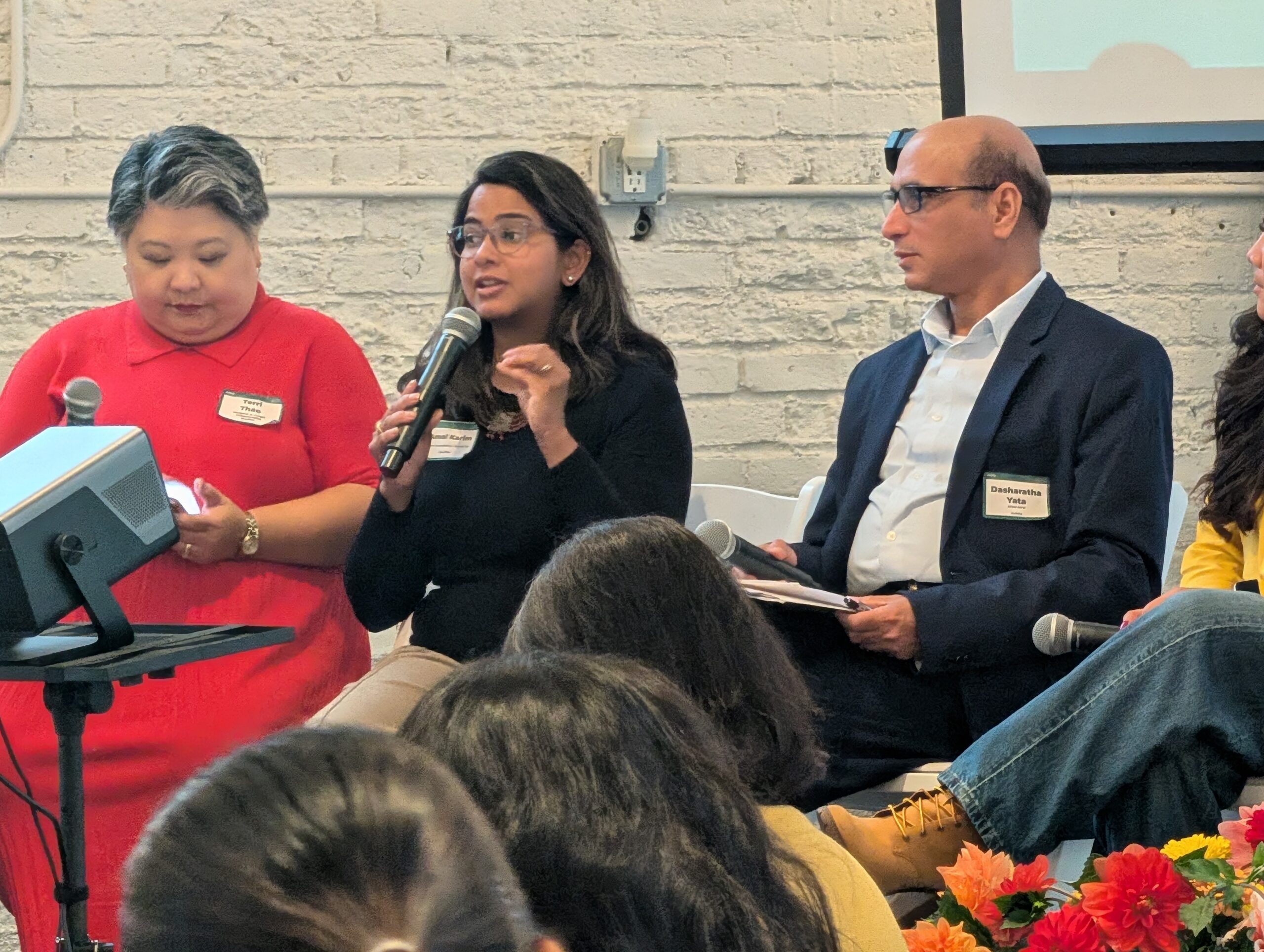
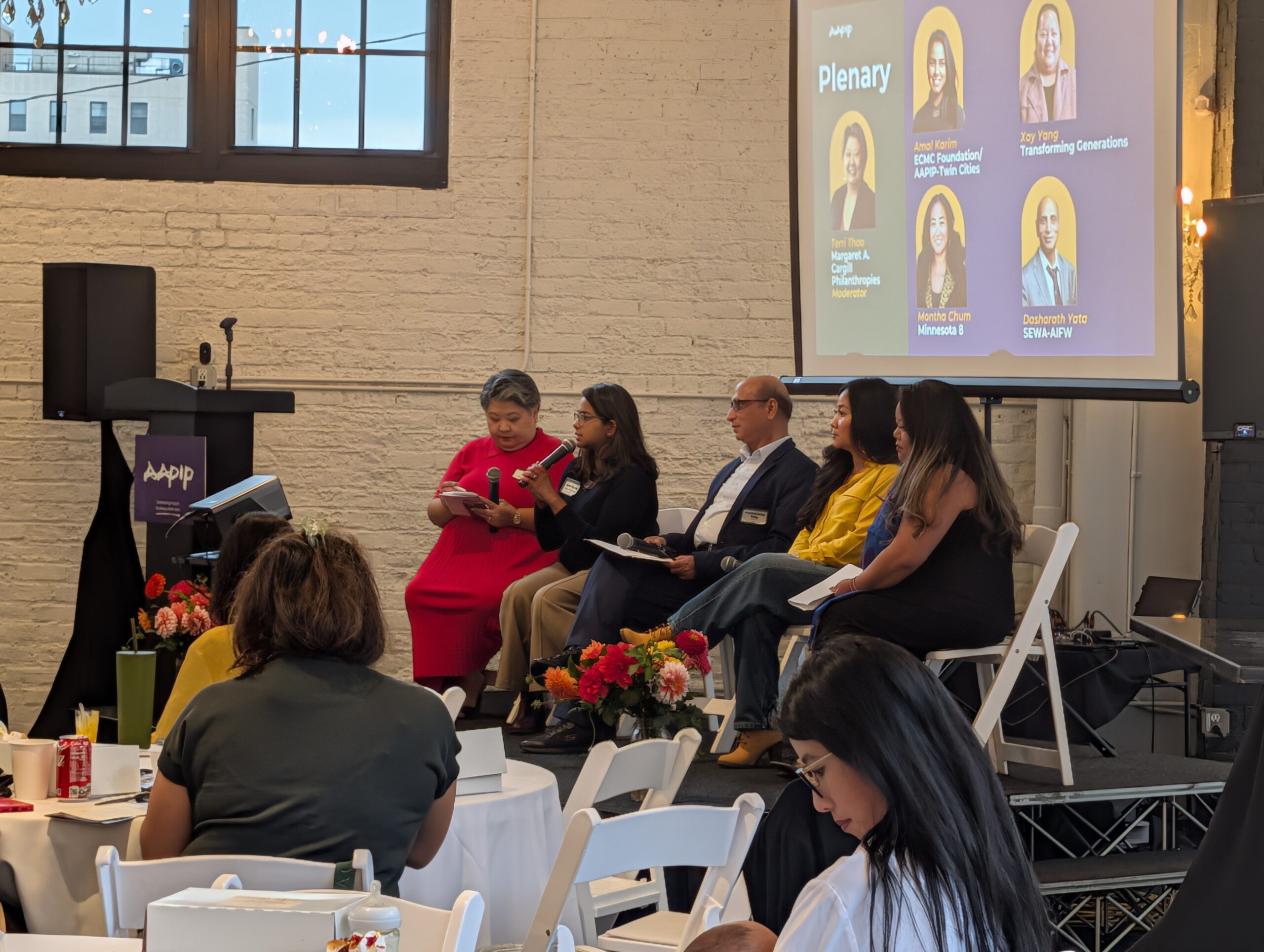
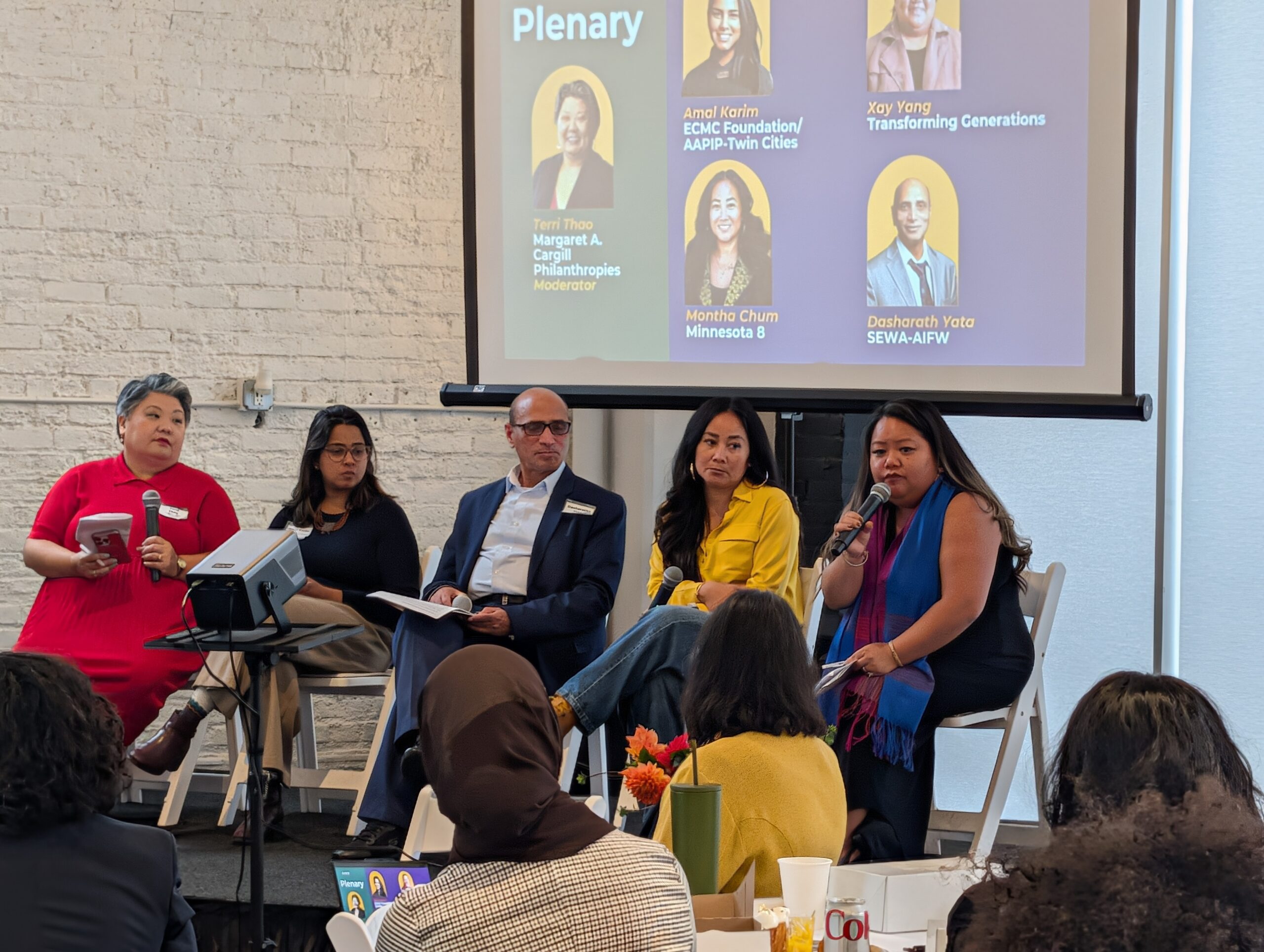
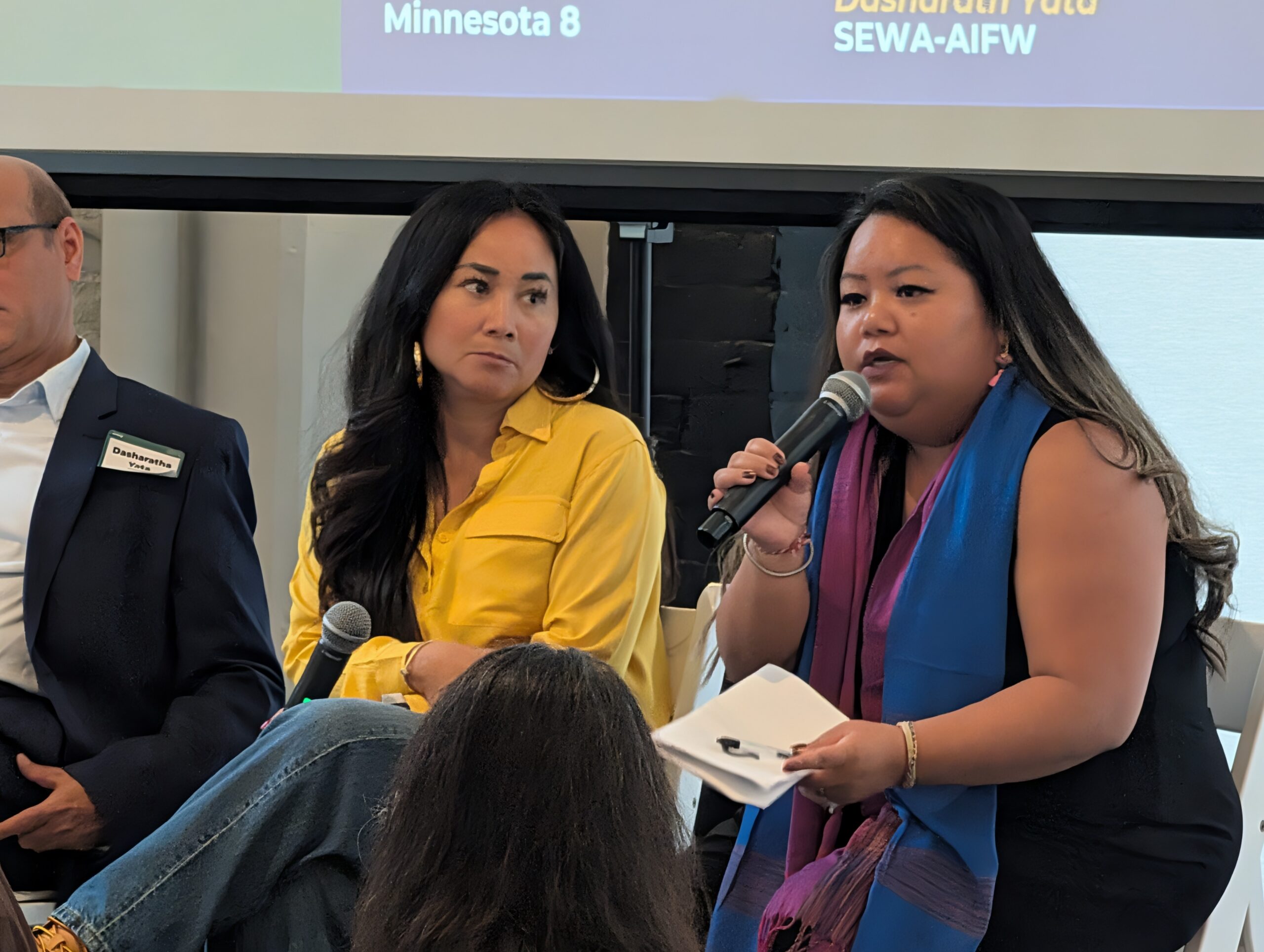
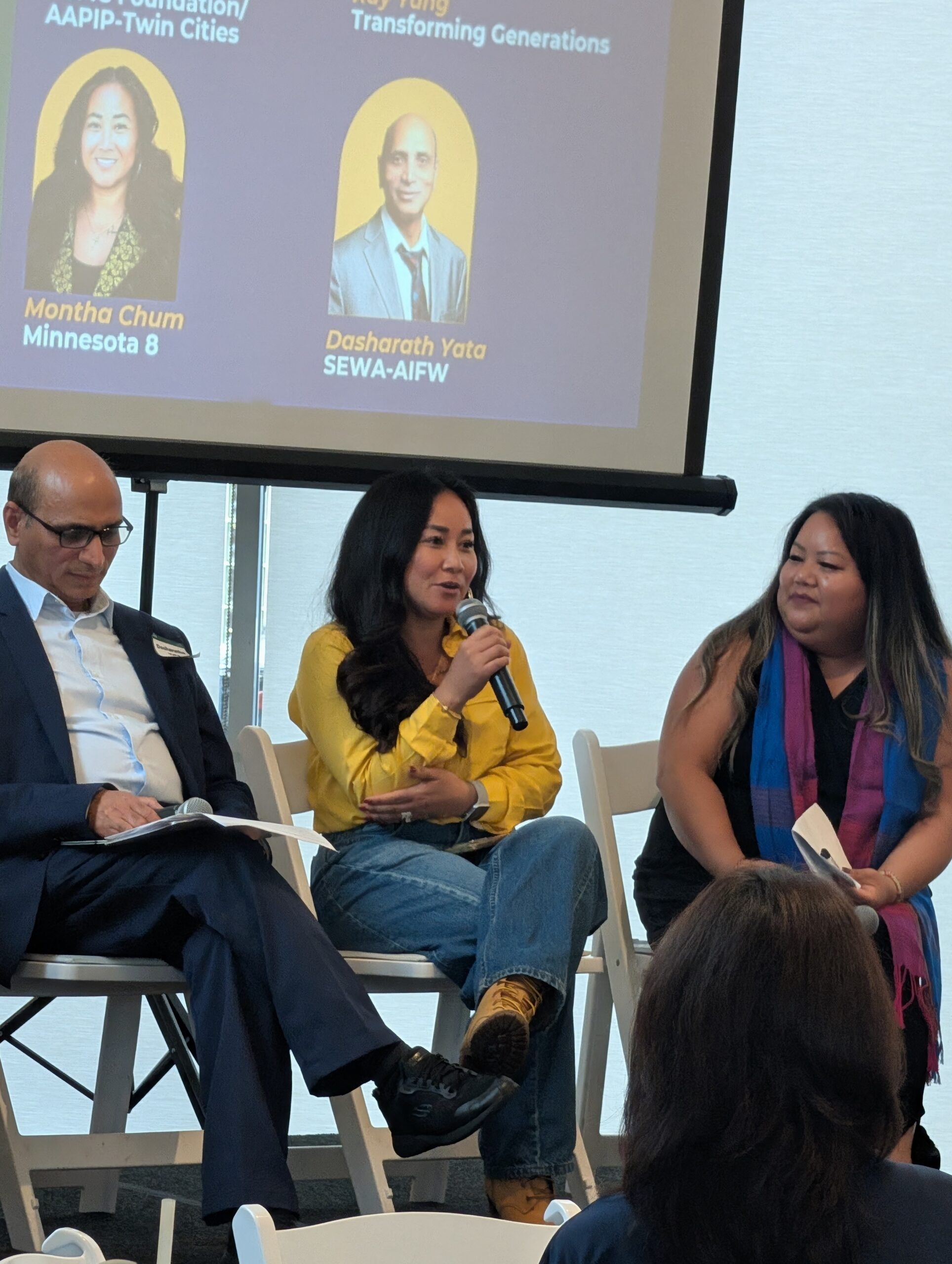
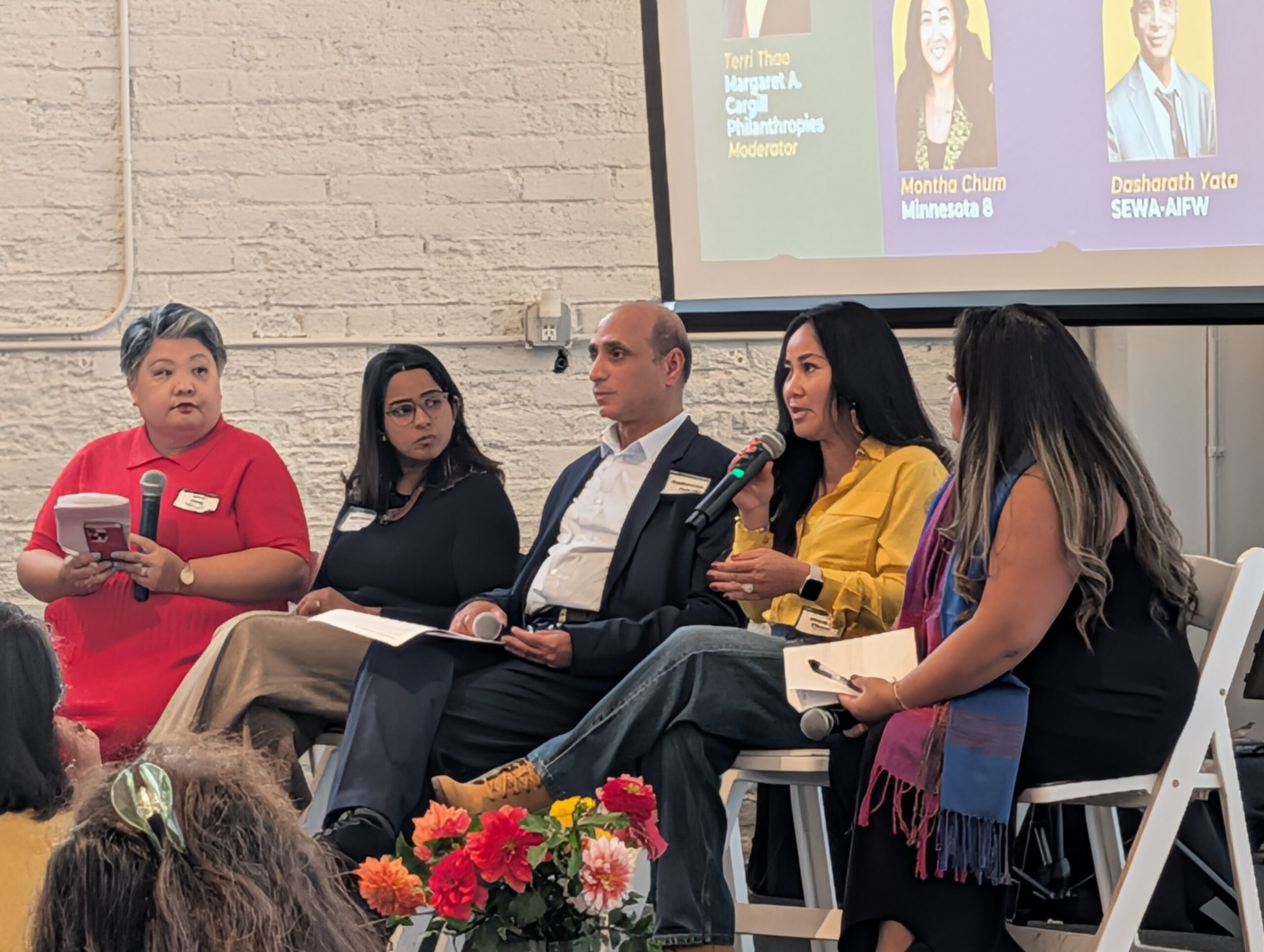
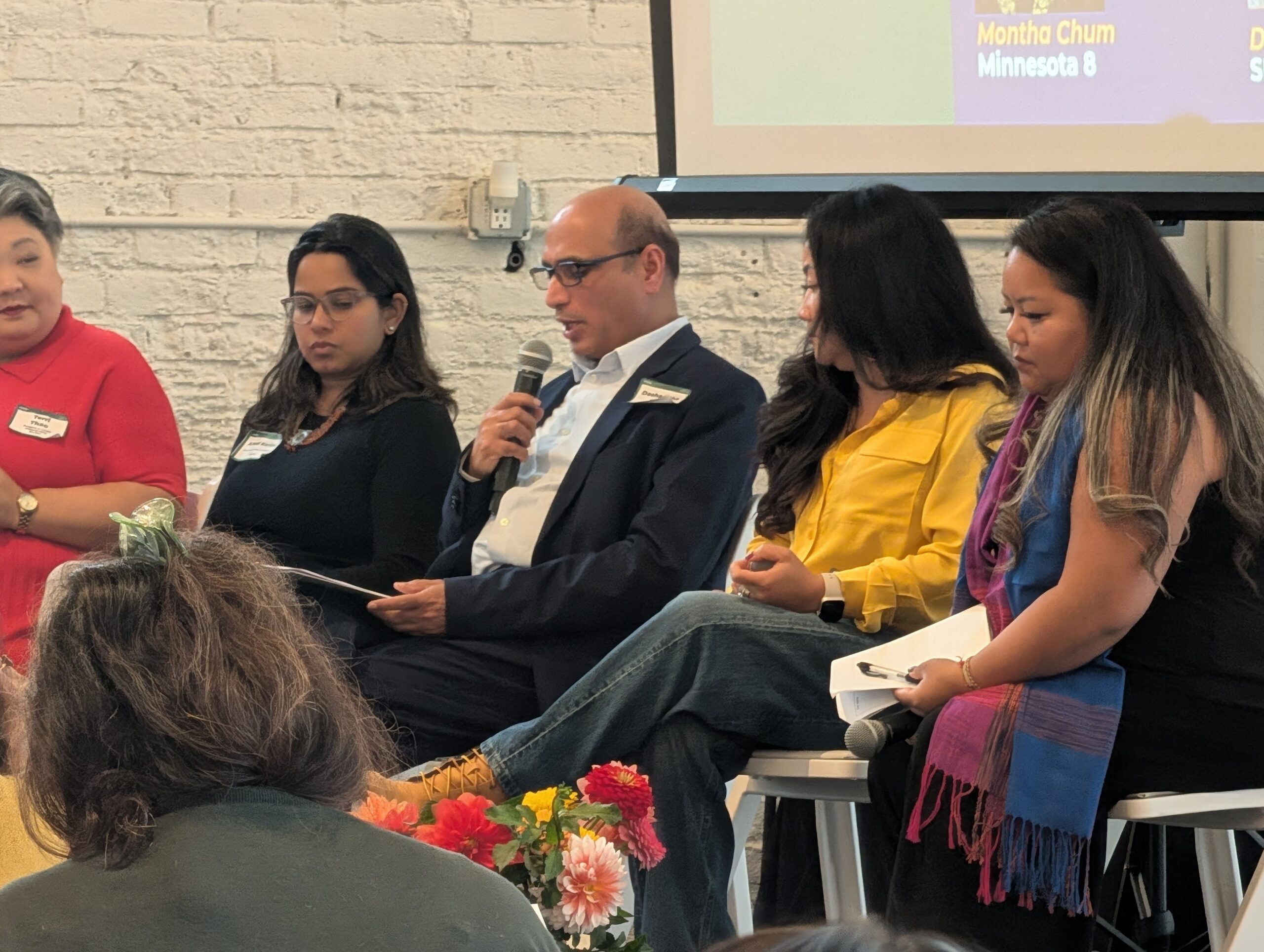
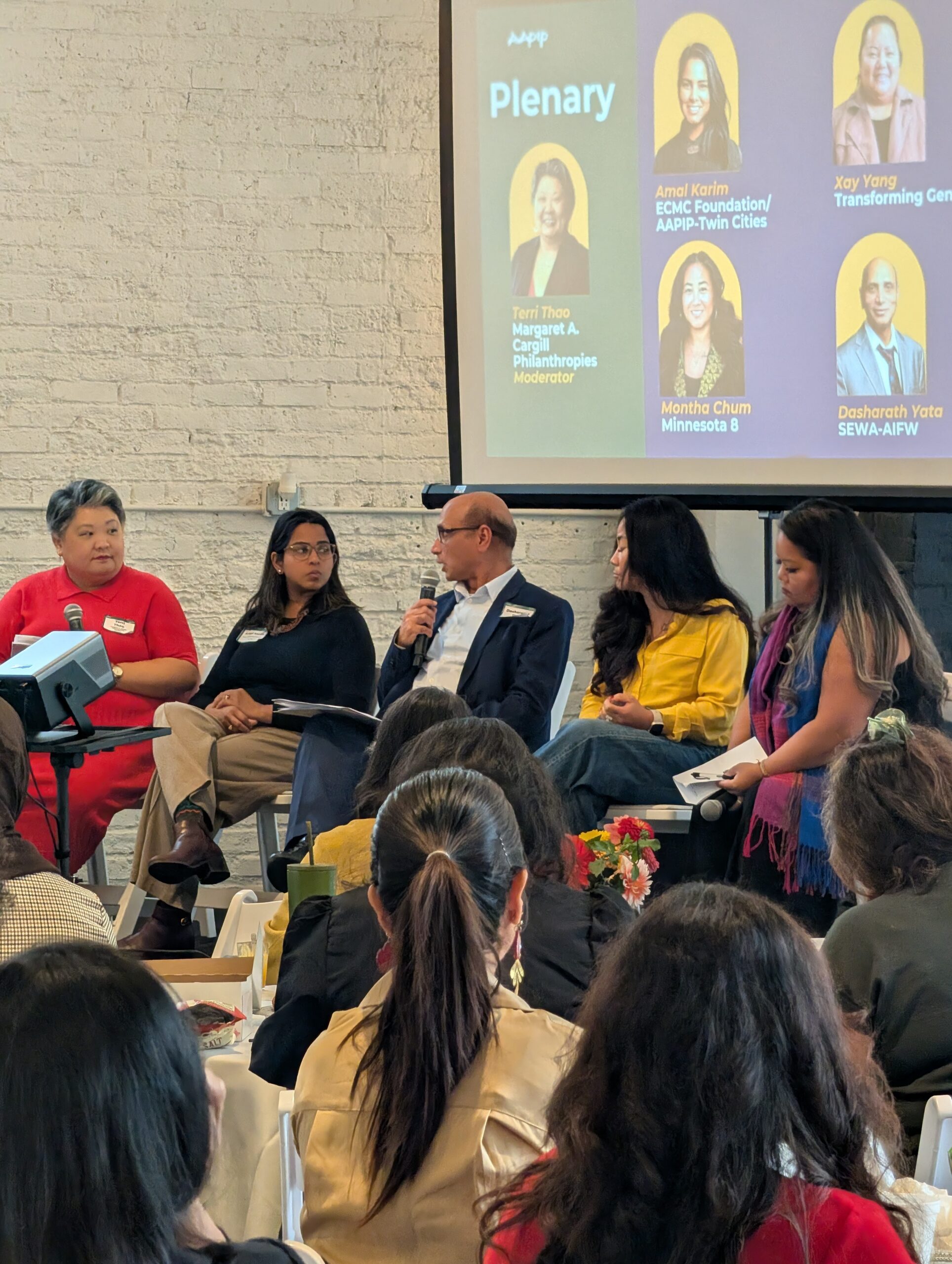
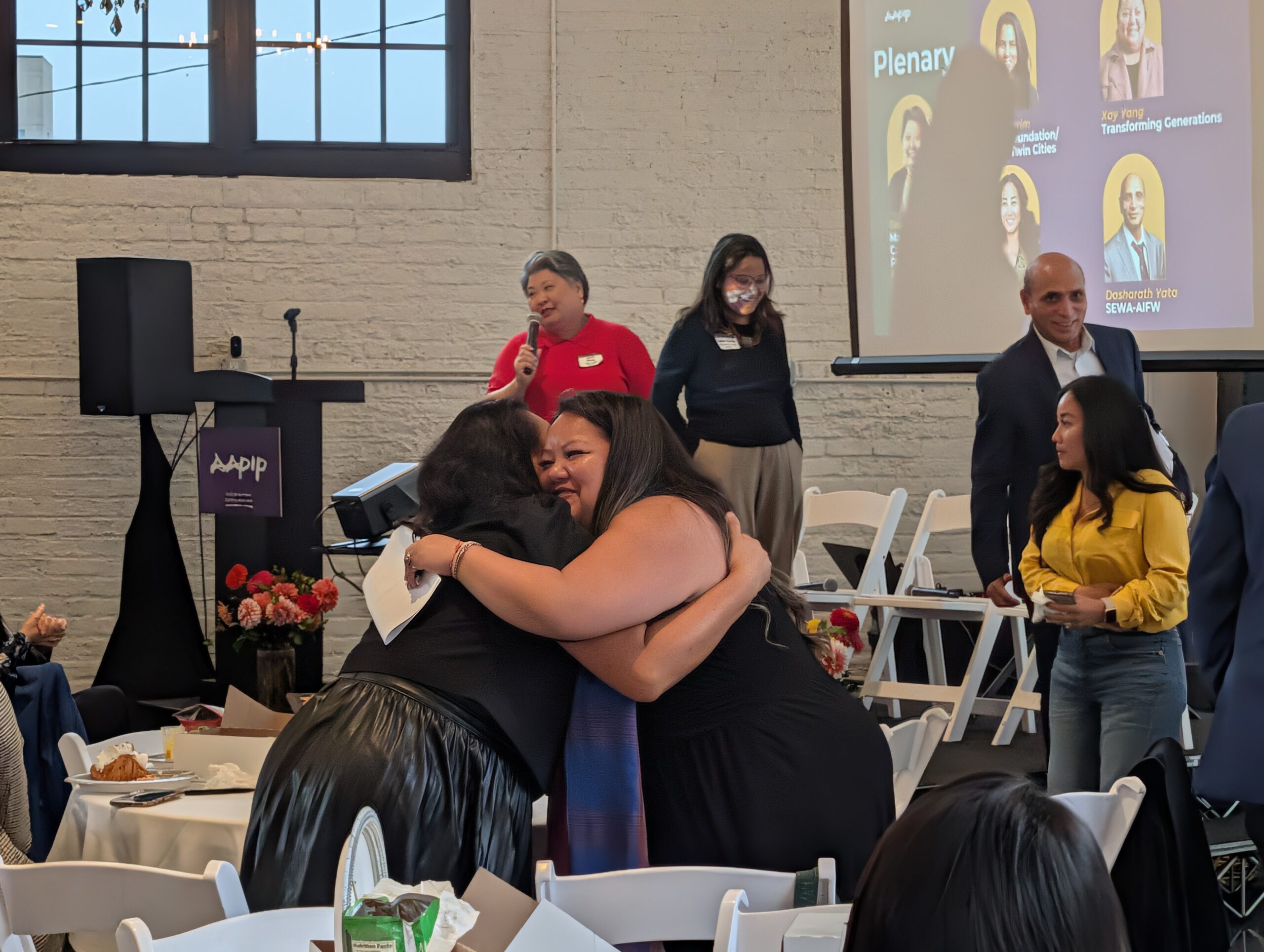
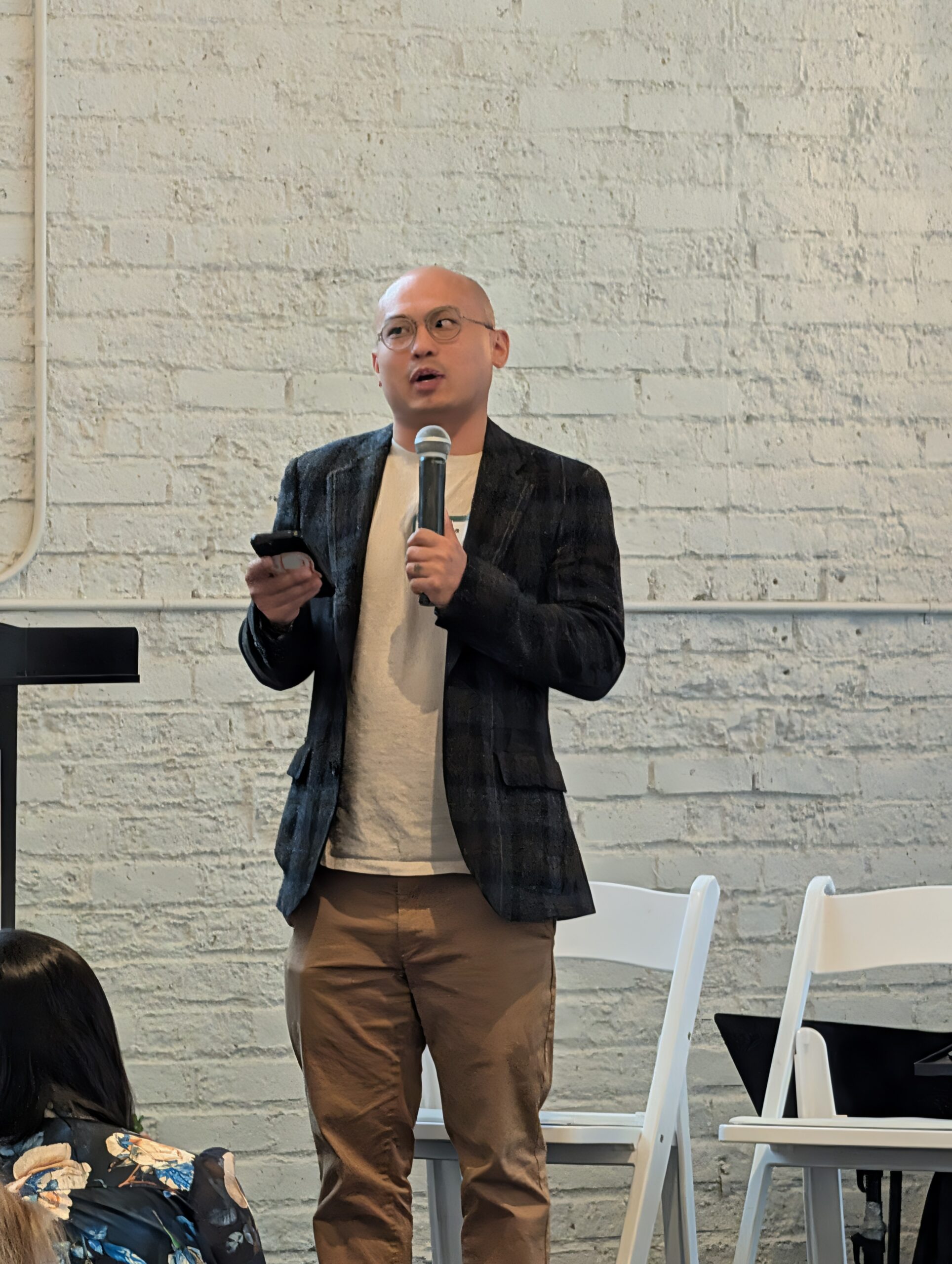
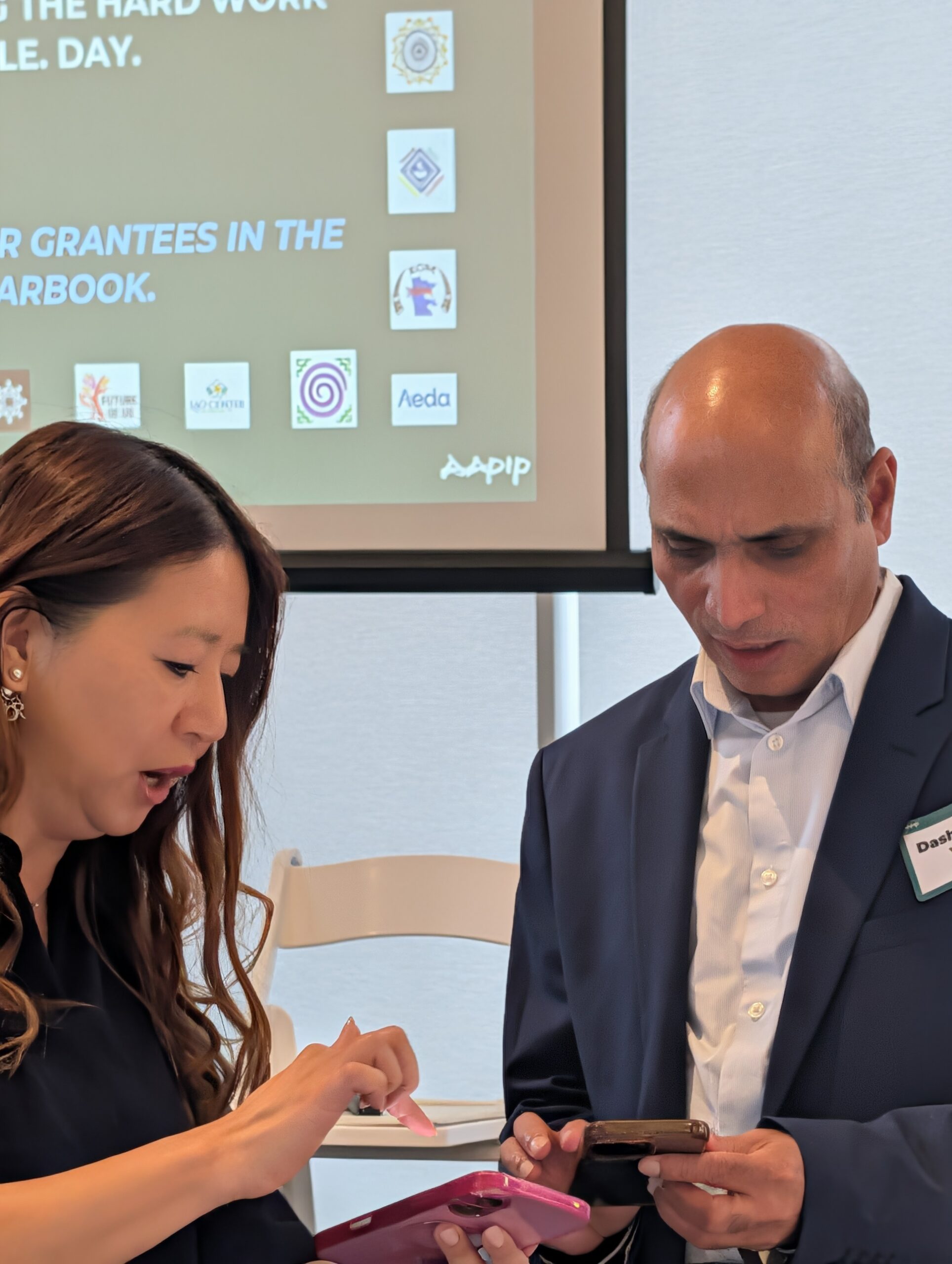
The plenary brought grantee partners into conversation with funders and advisory committee members. Terri Thao of Margaret A. Cargill Philanthropies and Amal Karim of ECMC Foundation walked through how the fund came together: how quickly it moved from idea to deployed resources, and what it took to get dollars to organizations that detention and deportation operations had already put under strain. Montha Chum of Minnesota8, Xay Yang of Transforming Generations, and Dasharath Yata of SEWA-AIFW spoke to what that support made possible on the ground, work that rarely gets described in a grant report: showing up for families with no notice, holding space and providing counseling for communities that were scared and exhausted, and doing it with staff and budgets built for a fraction of that need.
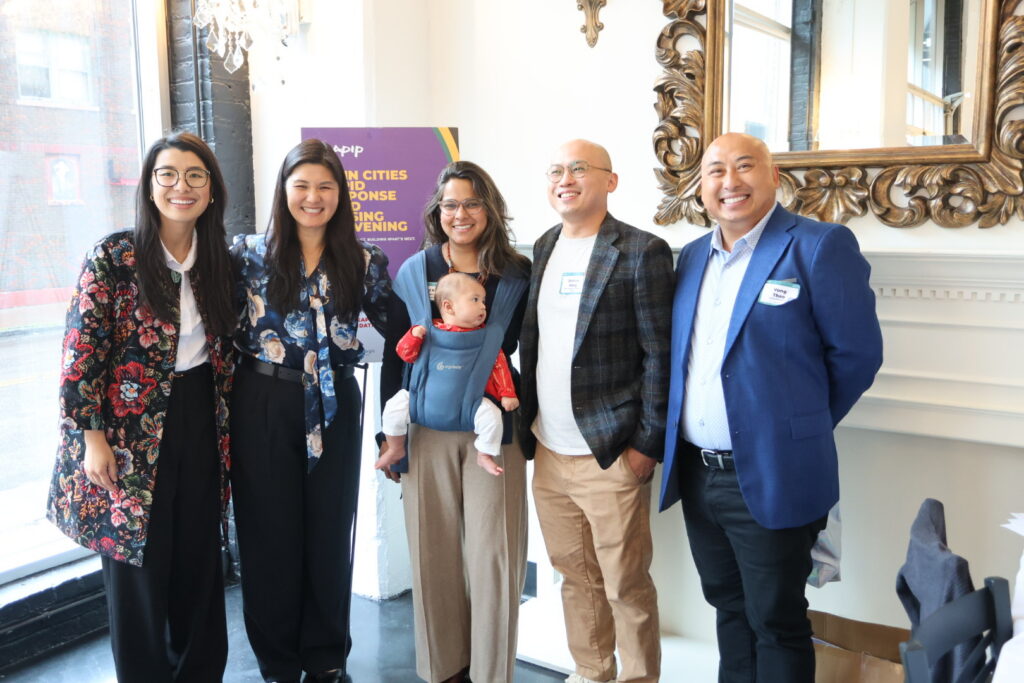
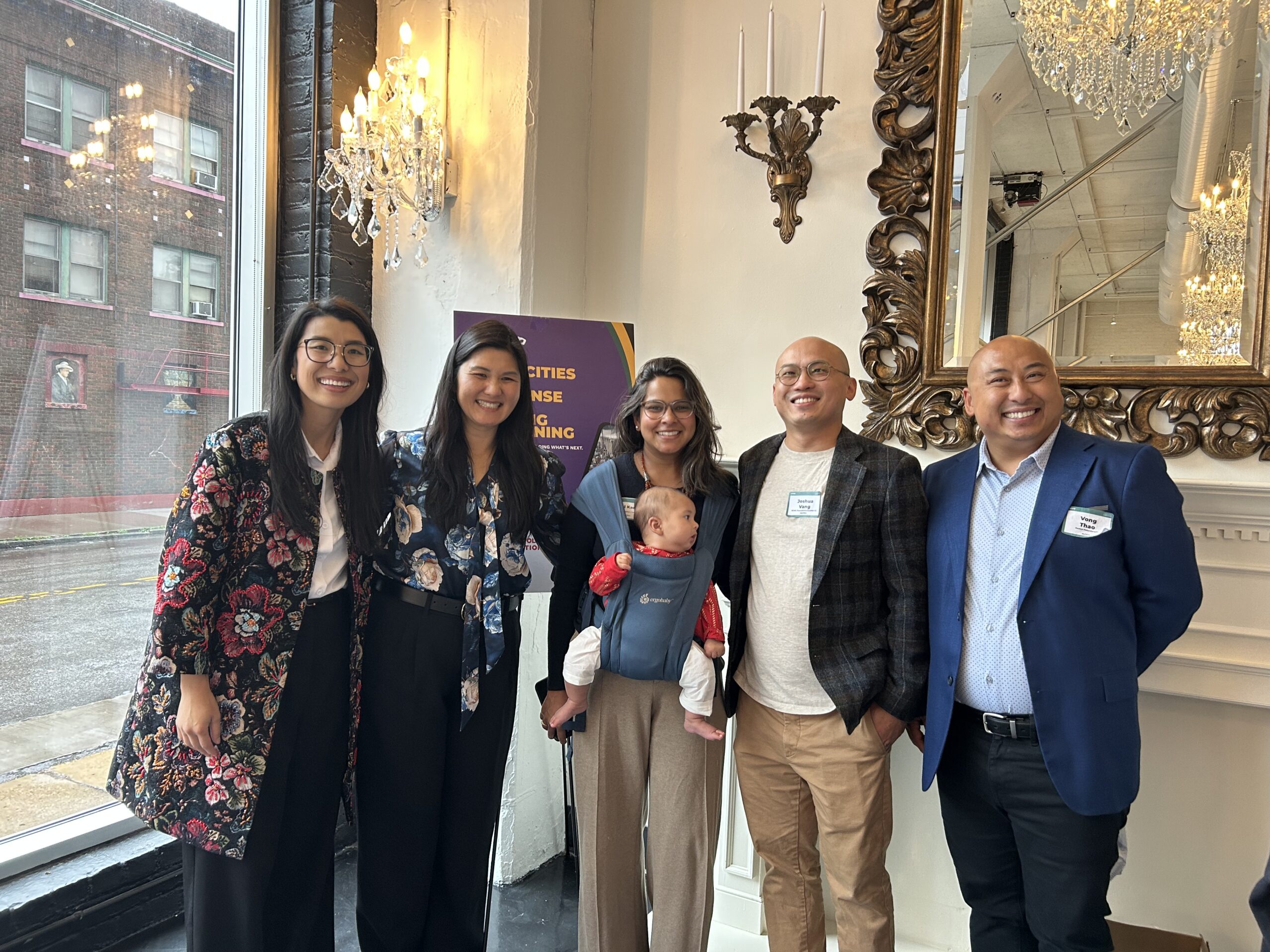
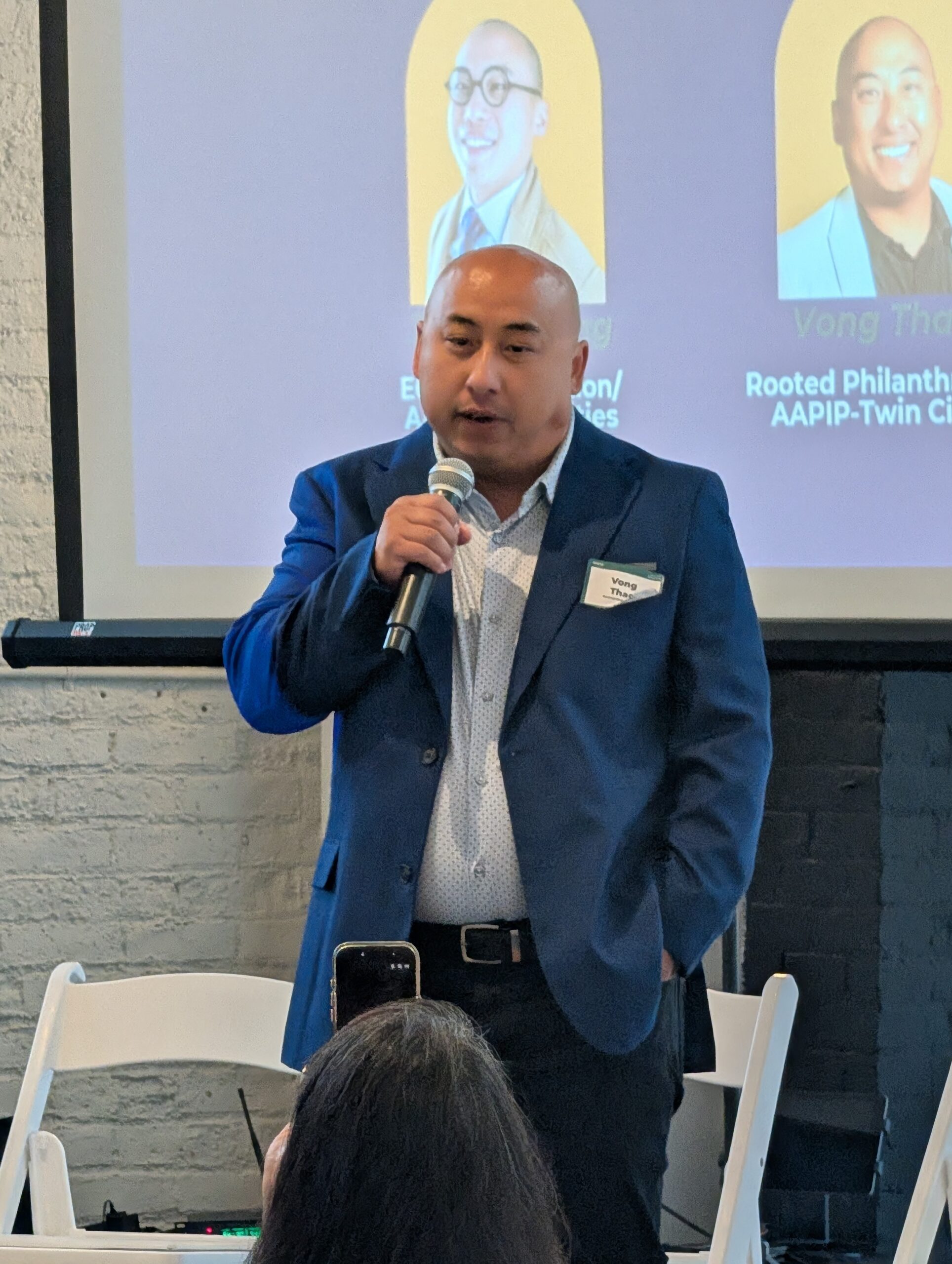
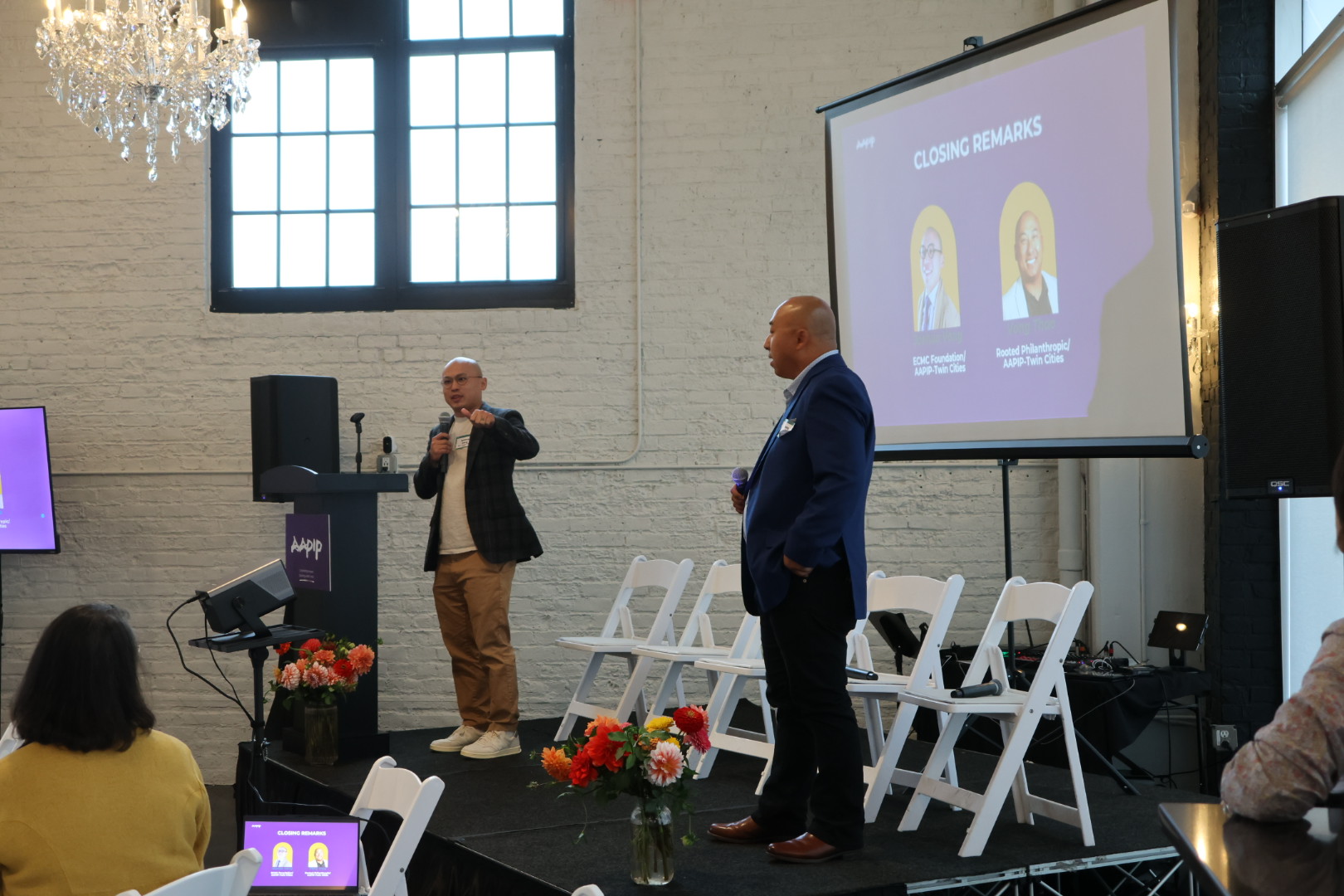
Joshua Vang and Vong Thao of ECMC Foundation and Rooted Philanthropic closed the formal program with thanks to grantees, funders, and attendees, and an invitation to keep the relationships in that room going past the event itself.
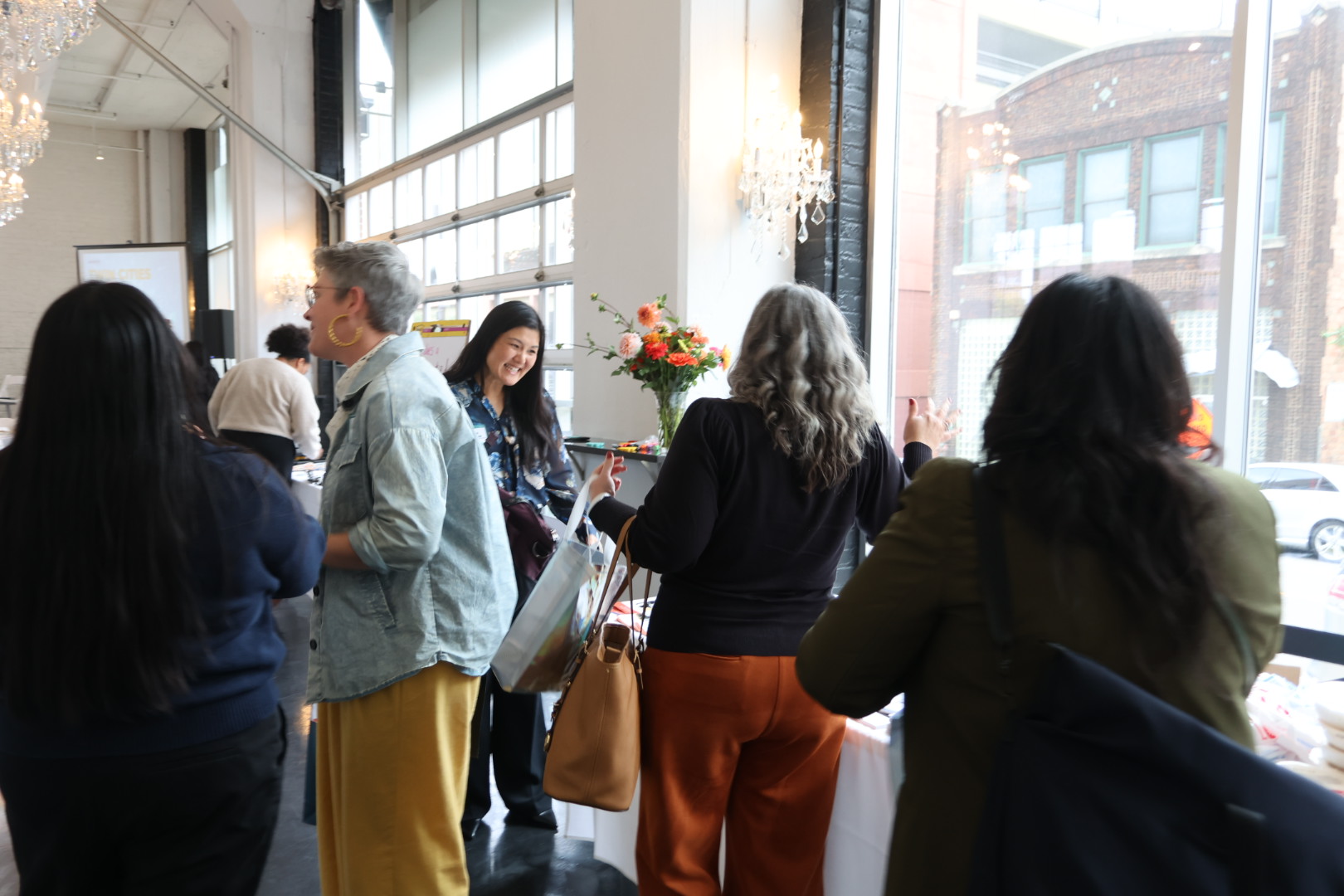
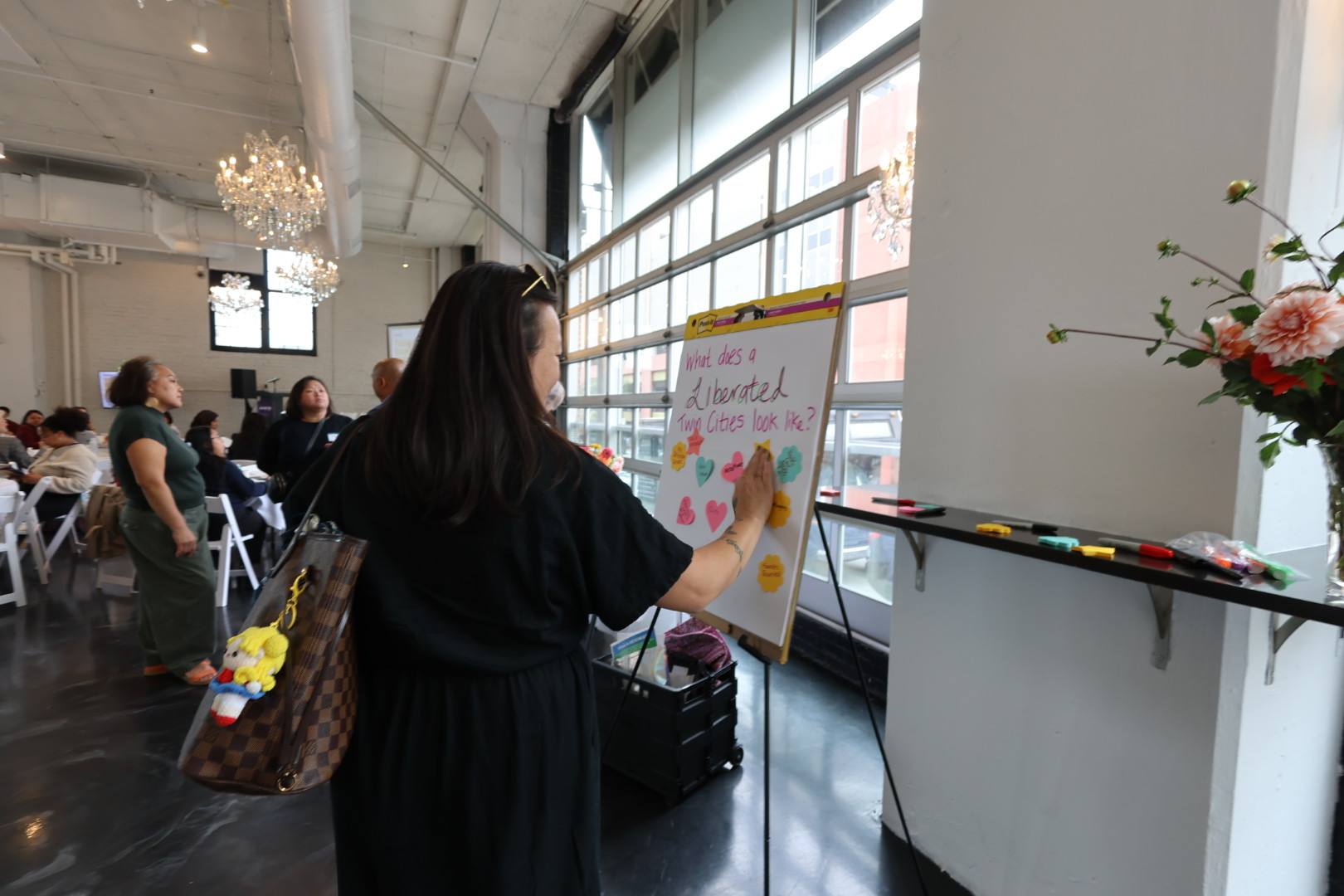
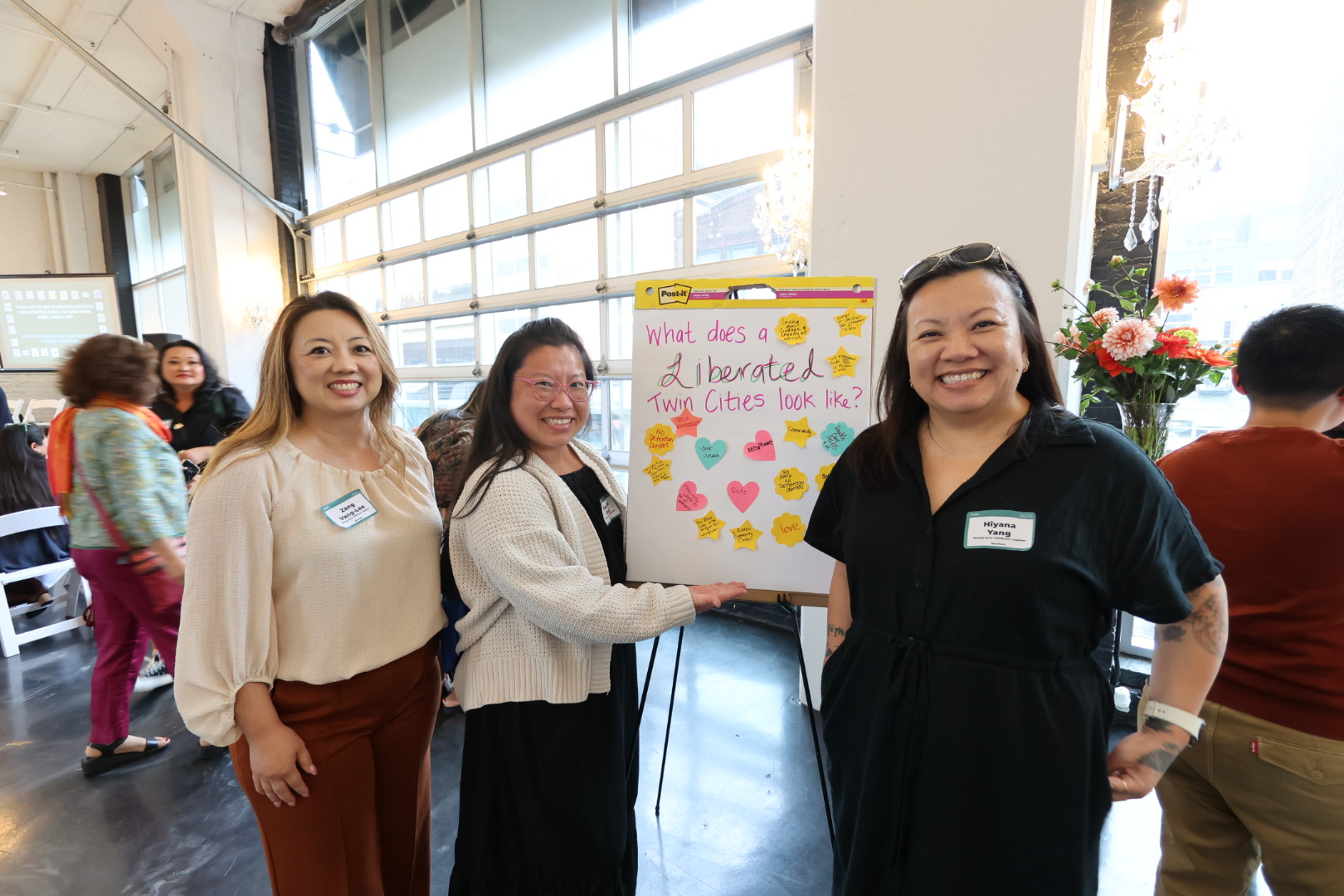
By the end of the event, new connections had formed between grantees and funders who hadn’t worked together before, and a few of those conversations turned into checks cut on the spot. Attendees also shared a sense of relief and recognition after a hard stretch of work in a space for collective healing.
The fund is closed but the need it responded to is not. AANHPI communities in the Twin Cities still receive a disproportionately small share of local philanthropic dollars relative to the need. Media attention to the operation that prompted this fund has faded, but the conditions that made the fund necessary, reduced visibility, continued risk, and under-resourced organizations carrying essential work, are still here. The task now is sustaining the kind of investment in AANHPI community resilience that this convening made visible for one afternoon, without waiting for the next crisis to justify it. Learn more about the organizations below, build relationships with them, and fund them.
Thank you to everyone who gave, showed up, and made the Twin Cities Rapid Response Fund possible.











Grantee Partners
- Advancement of Hmong Americans: Support direct assistance and prepare critical legal and safety documents like Delegation of Parental Authority (DOPA) forms and attorney-in-fact documentation to ensure impacted children and families are protected. Funding will also support outreach, safety planning, and resource navigation for Hmong farmers to help them make informed decisions about their operations and maintain stability.
- Afghan Cultural Society + WeCollab is providing safety planning, community advocacy, mental health and wellness activities, and capacity support for one of the Twin Cities’ newest refugee communities, where demand for services has increased significantly.
- Asian Economic Development Association (AEDA): Support direct community outreach, crisis navigation, and the coordination of relief resources for AANHPI small businesses, entrepreneurs, and independent artists in the Little Mekong neighborhood and throughout the metro region.
- Asian Women United of MN: Create more capacity and ensure adequate staff coverage, especially for night shift rotations. Expanded capacity is critical to ensure survivors can access emergency shelter, legal advocacy, safety monitoring, and healing services around the clock.
- Athletes Committed to Educating Students (ACES): Re-establish school as a safe place, to reintroduce caring adults outside the home, and to re-engage them in their learning, particularly in social emotional readiness. Adapt curriculum to focus on academic and social emotional skill retention and to recover lost learning, serving 400 students across the city of Hmong, Karen, and other Asian immigrant students.
- Cambodian American Partnership for Minnesota is expanding Know Your Rights outreach and education for Cambodian and broader AANHPI families across the state, prioritizing communities with limited access to language-appropriate services.
- Coalition of Asian American Leaders (CAAL): Support legal efforts for individuals who are under threat of being detained, are detained, or have been deported (at least 30 cases), Small business support, including technical assistance, for those impacted by the surge , Know Your Rights Training for community members and what to do if detained ; and continued advocacy at the state and federal level for immigration policies, including a pardon bill currently with the state legislature
- Communities Advancing Prosperity for Immigrants (CAPI) serves immigrants across the Twin Cities metro. Their grant supports rental assistance for families who have been sheltering in place and are at risk of losing housing.
- Filipinx Immigrant Rights of MN (FIRM) (fiscally sponsored by Indigenous Roots): Protect and empower newly-arrived teachers and educators from the Philippines by connecting them with an immigration attorney, providing a facilitated teachers’ education workshop, and other key resources to support their arrival.
- Future of Us (fiscally sponsored by Access Philanthropy): Funds will provide culturally relevant food mutual aid and essential basic needs, as well as legal system navigation support to 20–30 impacted Southeast Asian families over the next 3–6 months.
- HAP (Hmong American Partnership): HAP will build on its existing model of resource dissemination coupled with culturally appropriate navigation through two key strategies: 1) Assemble and distribute approximately 40 additional care packages for impacted households, containing essential food & items. 2) Expand community-based gift card program, providing direct financial relief to families
- Hmong Early Childhood Coalition: To support culturally and linguistically responsive programming for Hmong families, including parent education workshops, community engagement activities, resource navigation, and translation services.
- India Association of Minnesota is delivering community forums, translation services, civic education workshops, and culturally responsive wellness sessions for South Asian community members affected by ongoing policing activity.
- KOM (Karen Organization of MN): Linking impacted individuals to immigration legal services including Congressional case workers, Assisting clients to apply for rent and utility assistance, and accompanying families on PARRIS interviews lasting sometimes up to 7 hours per interview
- Lao Assistance Center of MN: Rapid response navigation, culturally grounded case management, housing stabilization support, appointment accompaniment, referrals to vetted immigration attorneys, and coordination across social service, public benefits, and school systems.
- ManForward: Working with Hmong, Lao, Viet and Khmer men and masculine folks in the Twin Cities who have final removal orders by 1) supporting them in navigating the immigration systems, legal support, and providing supportive services for them and 2) providing education to the other men and masculine program members on how ending state violence (ex. immigration/deportation efforts) is connected to gender based violence.
- Minnesota8: Funds will be used to directly support families impacted by detention and deportation through emergency mutual aid (including rent, food, transportation, and childcare), as well as to strengthen staff capacity to coordinate urgent legal defense in partnership with trusted immigration attorneys.
- MN Zej Zog (Sib Hlub Sib Pab) is coordinating food access in the West Metro – a region underserved by existing food shelf resources – by partnering with Asian-owned grocery stores to provide rice and noodles to families identified through local school districts.
- MORE: Increase weekly food distribution shelf support and basic care supplies in support of 800-900 English-language-learner students and community members who transitioned to remote learning since the federal surge.
- Organization serving primarily youth, families and individuals in recovery across the Twin Cities requested to remain anonymous: Provide immediate legal assistance, emergency basic needs support and culturally responsive emotional support for individuals and families in crisis, particularly those in recovery or living with mental health challenges who face additional barriers to stability.
- Peb Lub Neej Women’s Food Sovereignty and Healing Co-Op (fiscally sponsored by Indigenous Roots): Funds will support two urgent priorities: (1) providing staffing support to help farmers access housing stabilization, legal referrals, food assistance, transportation, and mental health resources and (2) hosting value-added production workshops and shared kitchen access so farmers can generate income through shelf-stable products without relying on high-visibility public markets.
- SEAD Project: Provide culturally rooted language and cultural curriculum courses to individuals facing immediate deportation to Laos.
- SEWA-AIFW: Mitigate harm at the individual family level and small business support by providing direct financial assistance for legal and rental assistance, as well as culturally specific mental health and basic needs, and ensure the free health clinic remains open.
- The Urban Village works with Karen, Karenni, Lisu, Mon, and Burmese families in East Saint Paul. Their grant provides emergency rent and utility assistance for families who lost income during ICE deployment.
- Tibetan Foundation of Minnesota: Support students who shifted to remote learning and expand outreach efforts by translating essential legal information into Tibetan and prepare community members who have volunteered to serve as trained constitutional observers.
- Transforming Generations is a gender justice organization serving Hmong families in Saint Paul. Their grant funds legal support including application fees and document preparation. They also provide direct mutual aid for rent, essential supplies, and culturally specific family needs.
- United Hmong with Disabilities provides disability advocacy and resource navigation for Hmong individuals with disabilities, a population with compounded vulnerabilities during ICE deployment. Their grant supports culturally responsive case coordination and community education.
- Vietnamese Social Services of Minnesota (VSSMN): Know‑Your‑Rights education, immigration case navigation guidance, safety planning, and culturally grounded, trauma‑informed wellness support for families and elder health recovery efforts.
- Youth Leadership Initiative (YLI): Support impacted families cover basic needs like groceries, partial rent and utilities, transportation costs, and medical needs. YLI also engages young people through a trauma-informed approach, and incorporates mental health and wellness practices into programming so that youth have a safe space to process fear, stress, and uncertainty.