 Asian Americans/Pacific Islanders in Philanthropy (AAPIP)
Dear AAPIP community,
A year ago today, I started this job planning to spend my first hundred days mostly listening. That part of the job never really stops, and somewhere in the middle of it, we also built our 2026–2031 Strategic Plan from everything you told us. I want to use this anniversary to tell you what that plan has looked like in practice this year, not just what it says on paper.
Increase AANHPI Community Resources, Visibility and Power
Let’s start with the numbers. Our latest research which came out at the beginning of my tenure found that AANHPI communities are directed just 34 cents for every 100 dollars that philanthropy gives out nationally. Over the past year, we have published regional funding snapshots so no chapter has to argue that case with a national statistic that doesn’t match their region. But data only moves people so far. Bold action is also required. When Operation Metro Surge hit the Twin Cities this year, we saw the immediate harm facing AANHPI families there, and we didn’t wait to respond. Community leaders asked us for urgently needed support, so we built the Twin Cities Rapid Response Fund with them. It has since moved more than $550,000 to AANHPI-serving organizations doing food, housing, and legal work while the surge was still happening around them and in the immediate aftermath. Our Twin Cities snapshot names the gap. The fund helped close part of it during a time of crisis, while the ongoing need is still there.
We also raised visibility and resources through the briefings and conversations we host with funders directly. This year covered DACA and the whiplash of immigration policy, healthcare access for immigrant women, protecting Southeast Asian communities, what’s happening to AANHPI immigrants in the South, civic engagement after the Callais Supreme Court decision, and how organizations keep themselves safe under pressure. We keep having these conversations because funders can only act when they have the information they need.
Serve as the Definitive and Vibrant Home for AANHPI Leaders in Philanthropy
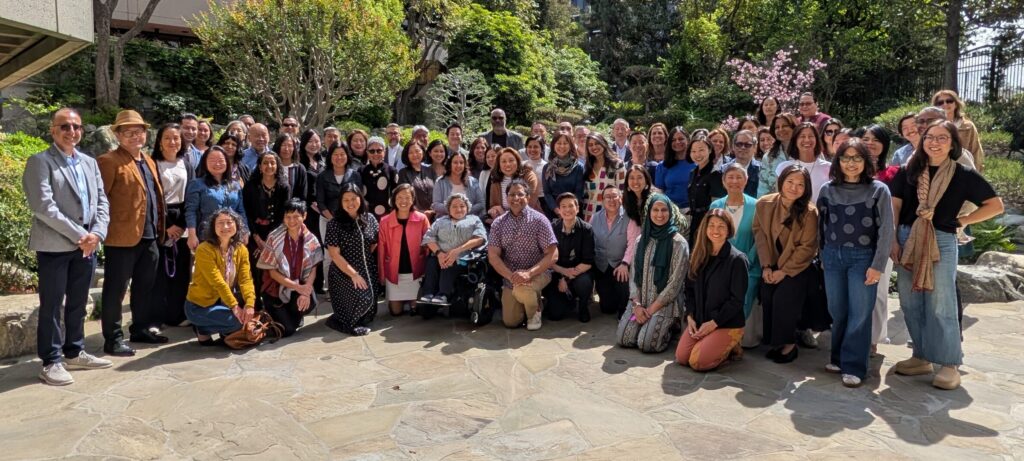
I have now visited all 11 regional AAPIP chapters, and the same thing kept coming up in almost every room: people need each other to do this work and thrive. That’s part of why our affinity spaces gather regularly, and why we hosted 75 AANHPI CEOs, trustees, and c-suite executives from our Power in Practice cohort for an in-person Executive Retreat in April. During one of my initial meet-and-greet conversations, one regional chapter co-chair told me that if it weren’t for AAPIP, for having people to call, she doesn’t think she would have lasted in philanthropy. I’ve thought about that sentence all year. It’s the reason I want you in Philadelphia June 21 to 23, 2027, for our next national conference. Save the date now, I’ll see you there.
Champion Cross-Racial and Cross-Cultural Solidarity
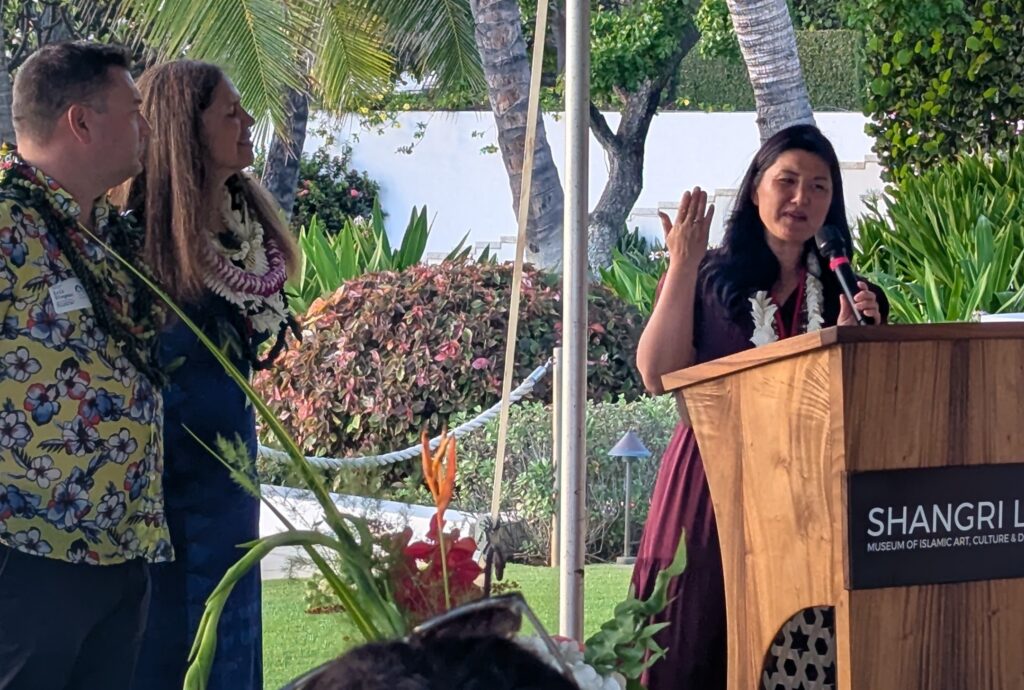
My first month on this job took me to Oahu and Maui for the Power in Solidarity: Hawai’i tour organized in partnership with NAP and NHP, sitting with Native Hawaiian and AANHPI funders. That trip models how I intend for AAPIP to show up in coalition, especially through the Racial Equity Advancement and Defense Initiative (READI) in partnership with ABFE, HIP, and NAP. None of us can hold what this sector is facing on our own.
Strengthen Internal Capacity to Maximize Impact
None of this holds together without staff to carry it. This spring and summer we welcomed four new colleagues: Christina Ta in April as our Events Manager, Wing Li in June as Director of Finance and Operations, and Karey Cha and Carla Bernal in July as our Executive Assistant and Vice President of Programs, respectively.
A year in, my job description hasn’t changed much: move resources into AANHPI communities, and build the relationships that make that possible again and again. The plan gave us direction and this community gives me the inspiration to stay steadfast moving forward.